Ever wondered if a tiny spark might cause big problems? Think of a fire risk check as a quick health check for your building, kind of like giving your car a once-over before a long drive. This easy process helps you find fire hazards and make sure that fire safety tools, like extinguishers, work when you need them most.
In this post, we'll walk through a straightforward plan to keep both people and property safe. Stick with us as we show you how these steps can make your space more secure and help you avoid unexpected surprises when it really counts.
Comprehensive Overview of Risk Assessment for Fire

A fire safety risk assessment is like giving your building a friendly check-up to spot potential fire dangers. It looks at what might start a fire, the things that can fuel it, and even the air that helps it burn. Imagine checking your favorite car before a long drive, you make sure everything, from the oil to the tire pressure, is just right.
We usually follow a simple five-step plan. First, figure out any hazards. Next, think about who might be at risk. Then, review the current safety tools, like alarms, sprinklers, and emergency exits. After that, decide how serious the risks are. Finally, jot everything down. You can learn more about this step-by-step process by visiting this link: https://dealerserve.com?p=109.
This process is all about keeping people and property safe. By spotting problems early, you can fix them before anything bad happens. Plus, it helps you stick to local safety rules and regulations. Regular assessments can really make a difference, ensuring that safety measures work well and feel secure to everyone.
Step-by-Step Fire Risk Assessment Process
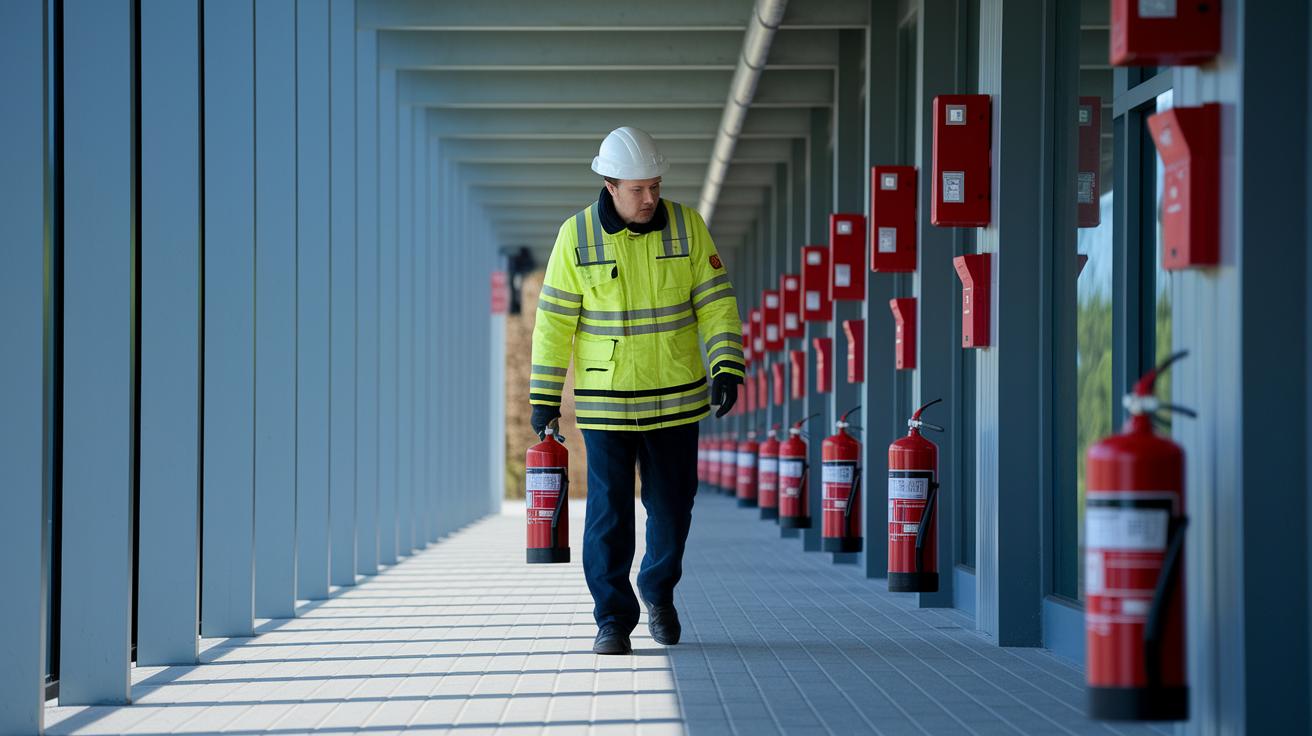
Step 1: Find Fire Hazards and Spark Sources
Begin by looking around for places where fire might break out. Check spots like electrical panels, heating systems, and cooking areas where heat or sparks might appear. Also, write down any materials that might catch fire quickly.
Step 2: Notice Who Might Be at Risk
Next, think about the people nearby. Look at employees, visitors, or residents in busy areas or spots that feel a bit isolated. It’s important to note anyone with special needs, like those with mobility challenges, or places where many people gather.
Step 3: Review Safety Tools and How Well They Work
Now, take a careful look at fire alarms, sprinklers, and fire extinguishers. Make sure they’re well-maintained and easy to reach in an emergency. Also, check that emergency exits are clearly marked and not blocked out. Review training records so everyone knows what to do if a fire starts.
Step 4: Think About the Chance and Impact of a Fire
Next, consider how likely a fire might be. Look at the building’s layout and note any flammable materials. Write down the possible effects on both property and people, using past experiences and current safety steps as a guide. Make extra notes about spots that might be more vulnerable because of how they’re built or used.
Step 5: Write Down What You Found and Plan Next Steps
Finally, gather all the details in a clear report. Your report should list the hazards, rate the risk levels, and suggest safety fixes. Also, set clear timelines and assign who will handle each task so that updates and practice drills can be done without delay.
Key Components of a Fire Risk Assessment Report
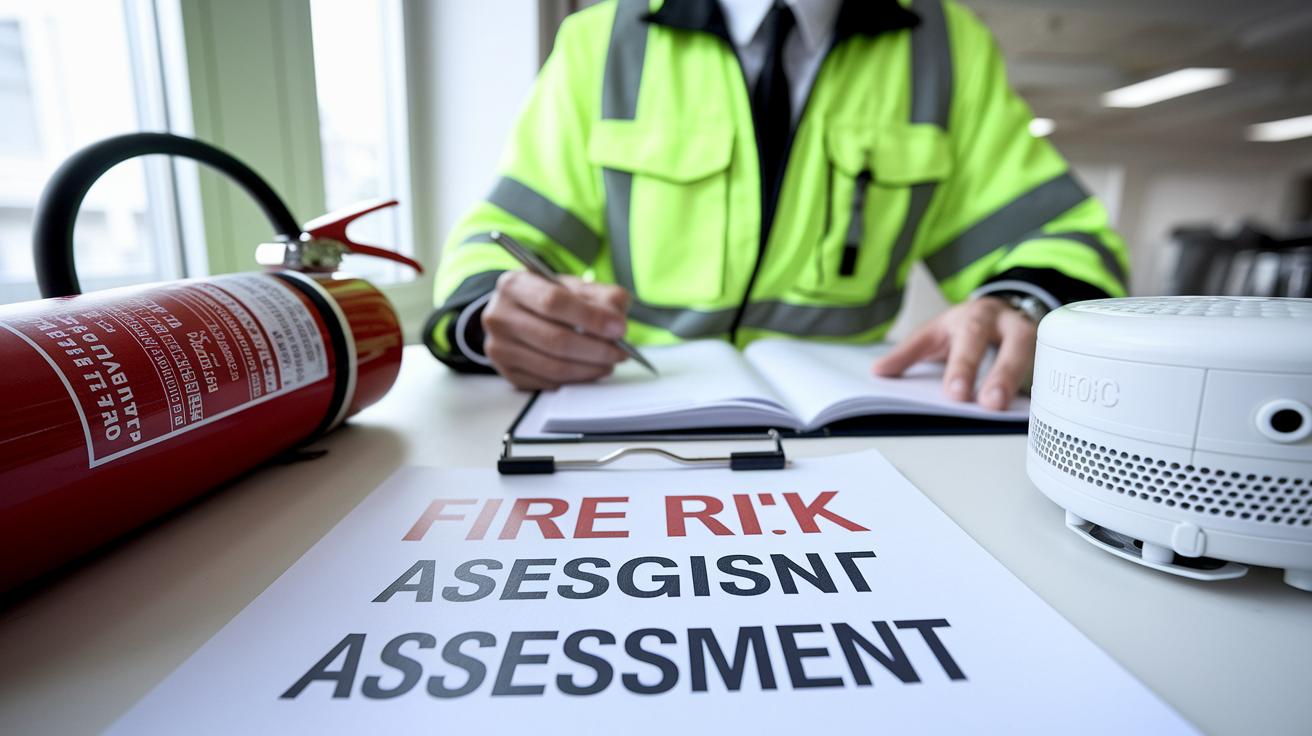
A thorough fire risk assessment report neatly organizes your findings and acts like a roadmap to improve safety. It starts with an easy-to-read overview that paints a picture of the overall risk and points out the most urgent fixes. The report also spells out exactly which areas or facilities were examined, so nothing important is missed.
Next, it dives into identifying hazards. This section highlights spots that could catch fire, like electrical setups, storage rooms, and any other vulnerable areas. After that, the report looks at how likely each risk is to happen and what its impact might be. It then offers clear recommendations, such as upgrading fire detection systems or rethinking exit routes, to help reduce those risks.
The document also includes a timeline that shows when each improvement should take place. A simple responsibilities table assigns tasks to specific people, making sure everyone knows what to do. Plus, there’s a review schedule set up to ensure regular check-ins and ongoing compliance with fire safety rules. This detailed record acts as both a compliance guide and a handy tool for managing safety day after day. For an example layout, check out risk assessment report examples (https://dealerserve.com?p=93).
Essential Fire Safety Equipment and Control Measures
Fire safety gear is key to keeping both people and property safe when a fire breaks out. When you pick these tools, make sure they’re high quality, simple to use, and fit nicely into your overall safety plan. Always follow the manufacturer’s instructions when installing these devices and check them regularly to ensure they’re in good shape.
Here’s a quick guide to some must-have fire safety items:
- Fire extinguishers (including water, CO₂, foam, powder, wet chemical, lithium-ion battery specific, and wheeled types): Pick the right type for the risks in your building, check the pressure gauges each month, and install them where everyone can reach them quickly.
- Alarms and detectors (battery, wireless, or mains-powered smoke and heat alarms): Go for models with a clear, loud sound and reliable batteries. Test these alarms every week and swap batteries as needed.
- Fire blankets (available in sizes like 1m x 1m, 1.2m x 1.2m, etc.): Choose blankets that meet safety guidelines, make sure they show no signs of wear, and hang them where you can grab them fast.
- Passive fire protection systems (such as intumescent fire stopping, fire and smoke seals, and fire door hardware): Use certified products that can really hold back flames. It’s smart to have regular checks to keep them working well.
- Fire signage (for exits, extinguishers, and assembly points): Use bright, self-illuminating signs that are easy to understand. Make sure to check their visibility during routine safety inspections.
- Suppression accessories (hoses, nozzles, reels, and hydrant fittings): Select sturdy designs that suit your building’s layout, and have regular tests for pressure and flow.
- Emergency lighting: Install lighting that clearly shows safe routes for evacuation, and test these lights now and then.
- Control panels for fire systems: Invest in panels with a clear display that connect well with your detectors, and let professionals inspect their performance regularly.
- Wireless system integration: Fit your building with smart devices that share real-time information. Keep their software updated and connectivity in check.
- Cordless detectors: Choose these for a quick response and low false alarm rate. Include them in your regular calibration routine.
This friendly checklist helps ensure you have the right fire safety measures in place, keeping you and your loved ones more secure.
Legal Requirements and Compliance for Fire Risk Assessment

Fire risk assessments are not just a good idea, they’re a legal must for all building owners. Every property manager needs to check that safety tools like smoke detectors, fire suppression gadgets, and clear emergency exits meet the required rules set by building codes and safety laws.
In Scotland, rules from 2022 make it clear. Specific types of alarms must be in place, and regular checks are a must. Landlords and employers need to plan these evaluations regularly. This way, any small problem is spotted early, keeping the area safe and secure.
These assessments should be done by experts who hold the proper accreditation. These professionals have the know-how to ensure that all fire safety measures are both thorough and correct.
Missing these legal requirements isn’t risk-free. It can mean fines, disruptions to business, or even higher insurance costs. By following these safety checks and review cycles, building managers not only protect their property but also help keep everyone safe.
Case Studies of Effective Fire Risk Assessment in Action

Global Risk Consultants recently visited 50 commercial sites and uncovered some surprising findings. In one case, they checked a large commercial complex that was using outdated and scattered fire safety practices. They looked closely at things like alarm systems, emergency exits, and suppression equipment. Soon after, 74% of the people involved felt very happy with the changes, and no one had any concerns. Upgrading to real-time risk detection tools even sped up how quickly hazards were found by 30%. For instance, swapping old smoke detectors for smart systems helped the team notice dangers during everyday checks much faster.
Another study focused on a busy retail store. Before the assessment, emergency drills took longer than expected and there were worries about whether the safety measures were good enough. After the evaluation, the drills improved by cutting evacuation time by 20%. This success came from better staff training and new, clear signage. Managers noticed that after each drill, employees felt more confident in dealing with simulated fire emergencies.
Overall, the key takeaway across these cases was clear. Faster hazard identification and more organized evacuations led to a major boost in safety. Clients found that updating their fire risk protocols completely changed their safety strategies, proving that smart checks and timely actions really do build a stronger, safer culture in any facility.
Tools, Templates, and Resources for Fire Risk Assessment

Practical tools can really make checking fire risks easier for you. Customizable checklists for spotting hazards and standard checklists for prevention help you work faster and reduce slip-ups. For example, a risk-based heat exposure audit highlights areas that might need extra attention. And digital simulation tools let you run fire scenarios, much like testing a recipe before dinner.
Ready-made guides for restaurants and retail spaces offer clear, step-by-step instructions. One handy resource is a downloadable fire risk assessment template available here: risk assessment template. This template gives you a structure to report your findings clearly, making it simple to track improvements and stay up to date with safety rules.
Real-time monitoring platforms add another level of comfort by offering predictive alerts. They warn you about potential problems before they become serious, much like a smoke alarm giving you an early heads-up. These tools help smooth out your assessment process and encourage a proactive approach to fire safety.
Best Practices and Continuous Improvement in Fire Risk Management
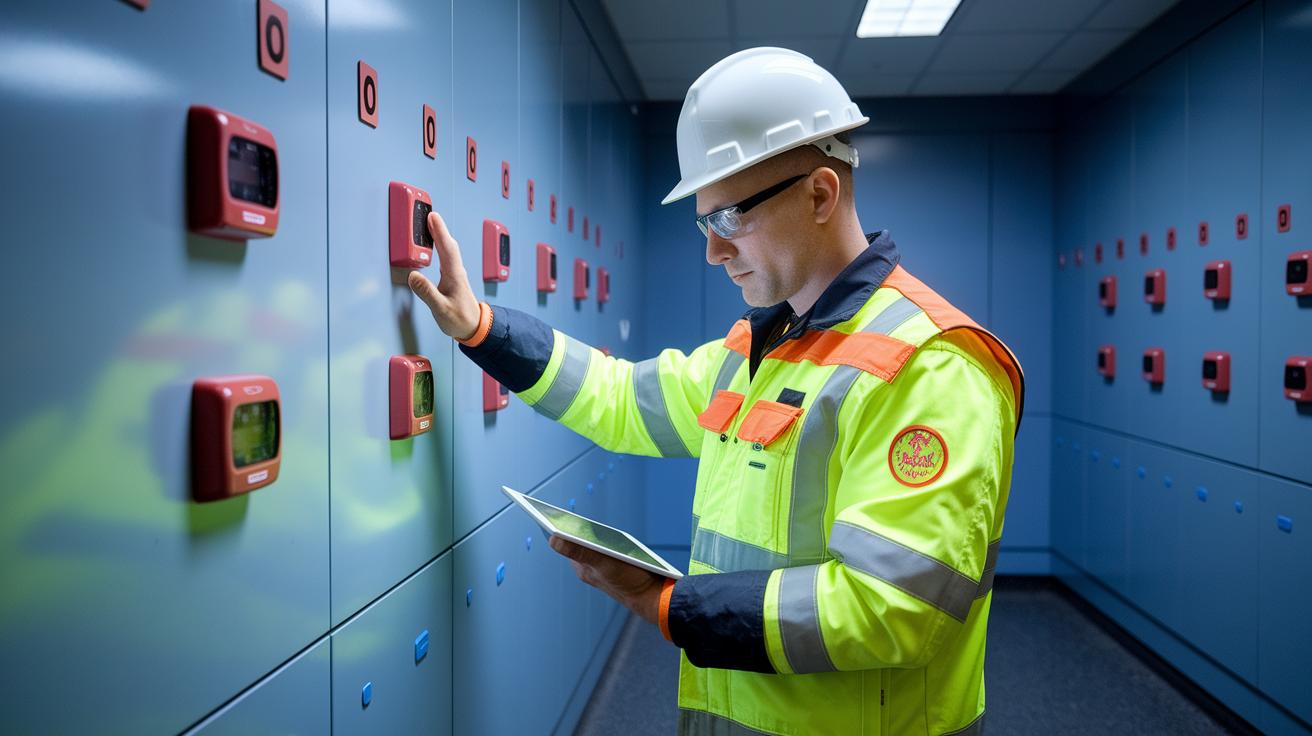
Fire risk management isn’t a one-and-done deal. Think of it as giving your facility a regular tune-up, much like you would with your car. Checking in on your safety systems often keeps everything running smoothly and safely.
Regular audits really matter. They let you take a good look at what safety measures you have and catch any little changes that might raise the fire risk. For instance, when you schedule a routine audit, you might also consider using upgraded technology that speeds up detection, kind of like updating your phone to enjoy the latest features.
Using predictive analytics is another smart move. These tools help you see potential fire risks before they become actual problems. Imagine having a heat sensor that watches temperature changes in real time and gives you an early nudge when something isn’t right. It’s like having a built-in alarm that warns you early.
Team training across different departments is also key. Running scenario-based drills gives everyone some real-life practice and builds confidence. Picture a school fire drill, when everyone knows the plan, they’re much more prepared if an actual emergency happens.
In short, regular reviews, smart data use, and being proactive with upgrades all join forces to lower fire risks and keep your safety standards clear and strong.
Final Words
In the action, we broke down a clear five-step process for risk assessment for fire, from identifying hazards to documenting findings. We also examined how detailed reports, proper safety equipment, and up-to-date legal guidelines work together to boost safety. Real-world examples showed how smart strategies improve response times and reduce risks. With these insights, making informed decisions for safeguarding both people and assets feels more attainable. Stay proactive and positive as you build a more secure financial and physical future.
FAQ
What should be in a fire risk assessment template, PDF, or checklist?
The fire risk assessment template offers a ready-to-use format that includes hazard identification, current control evaluations, recommended actions, and a review schedule, often shared in PDF form.
What are the five steps of a fire risk assessment?
The five steps in a fire risk assessment are to identify potential fire hazards, determine people at risk, evaluate existing safety controls, assess the likelihood and impact of incidents, and record the findings with an action plan.
What should be in a fire risk assessment?
The fire risk assessment should cover a thorough hazard review, current safety measures, recent control evaluations, risk level determination, and a clear action plan with review timelines to keep safety standards high.
What is a fire risk assessment?
A fire risk assessment systematically examines buildings to spot ignition sources and fuel elements, checks safety measures in place, and sets out steps to reduce fire hazards and improve overall safety.
What is an HSE fire risk assessment?
An HSE fire risk assessment follows official workplace safety standards, performed by qualified experts, to check for fire hazards and ensure that building and safety regulations are met.
