Ever thought about having your money work as hard as you do? Imagine a smart tool that tracks every dollar you spend and helps guide you to a brighter financial future. It adjusts your budget in real time, sort of like a digital map that shows the twists and turns of your cash flow. In this post, you'll learn how these helpful tools can boost your wealth with friendly, clear advice you can count on.
Financial Planning Software for Individuals: How It Addresses Your Personal Finance Needs

This software is made just for you to help plan your money and watch your spending and savings live. Think of it like a smart helper that builds a detailed financial plan. It offers handy tools for budgeting, tracking investments, planning for retirement, managing debt with functions like loan calculators, and even working out taxes. Ever set a budget that adjusts itself after every purchase? That’s what these tools aim to do, clear things up so you can see where your money is going.
Under the hood, this software protects your information with strong security methods. It uses top-notch measures like AES-256 encryption (a way to keep data secret), multi-factor authentication (which means you need extra proof when signing in), and secure connections. Some advanced versions even link directly to your bank accounts and brokerages, so everything updates automatically.
But there’s more than just tracking expenses. With features like FastBreak™ and ParityFlex™, you can plan for emergencies, ensure steady future income, and even get the best out of Social Security benefits. You can try out different money scenarios to see how today’s choices affect long-term goals. In truth, it’s like having a financial crystal ball that shows quick insights and guides you step by step.
Curious to see all these tools in action? Check them out at https://dealerserve.com?p=241. This software bundles modules for budgeting, tax work, and retirement planning, offering friendly advice and reliable security so you can plan today and feel confident about tomorrow.
Comparing Top Financial Planning Software for Individuals in 2025

Let’s take a relaxed look at ten of the best tools for planning your personal finances this year. Each software option brings its own mix of prices, free trials, and special features, so you can easily find one that suits your money style. Some sync quickly with your bank, offer a clean and simple design, and help you with everything from basic budgeting to planning your retirement. For example, a few let you start free and upgrade later if you need extra tools. Others give you a full trial run so you can test all the features before signing up. Comparing these side by side can help you decide if you need just a simple budget helper or something more detailed to handle forecasts and emergencies.
| Software Name | Pricing Model | Key Differentiator |
|---|---|---|
| Empower | Free base with add-ons | Starts free with extra features you can add on |
| Honeydue | Free tier + paid options | Perfect for couples with extra premium tools available |
| Quicken Simplifi | $5.99/mo | Simple, affordable, and easy bank syncing for everyday use |
| Monarch Money | $99/yr | Strong forecasting tools for thorough planning |
| Rocket Money | Free start | Great for beginners with essential features to get you going |
| PocketSmith | Freemium | Offers flexible budgeting with clear, detailed data views |
| CountAbout | $9.99/yr | Budget-friendly yearly plan with the core tools you need |
| PocketGuard | $74.99/yr | Strong security paired with smart bank data aggregation |
| EveryDollar | Free + premium options | Easy-to-use budgeting interface with upgrade choices |
| Tiller Money | $79/yr | Customizable spreadsheet style for those who love personal tweaks |
This guide shows which software mixes cost and features just right to help you grow your wealth. There’s a solution here for every level of financial planning, whether you’re new to budgeting or looking for a deeper dive into your finances.
Limitations of Free Financial Planning Software for Individuals
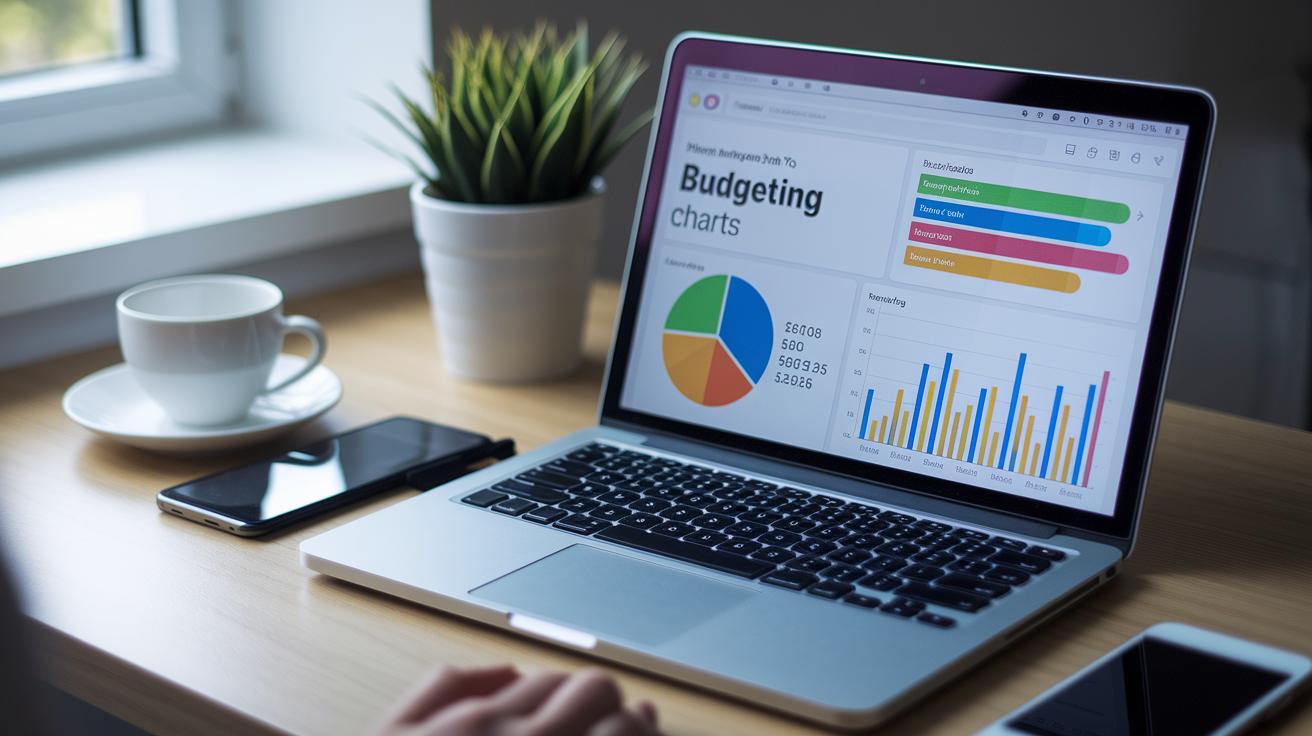
Free financial tools might seem like a smart way to kick off your planning without spending extra money. But they often fall short when it comes to more modern and detailed financial needs. When you try to plan a complex retirement or manage a detailed budget with only basic expense tracking, it can feel like you're missing key puzzle pieces.
Here are five key drawbacks to keep in mind when using free financial planning software:
- Limited advanced reporting and forecasting: They rarely dig deep into your data, so spotting detailed trends becomes a challenge.
- Weaker encryption and fewer authentication layers: Basic security measures might leave your personal financial information at risk.
- Lack of template customization: These tools often don't allow you to tailor the setup to match your unique planning style.
- Minimal customer support and training: You usually get very little help, meaning you'll have to figure out most of the features on your own.
- Difficulty scaling for growing portfolios or multi-user setups: They typically aren’t built to expand with your changing needs or to handle more complex financial situations.
These drawbacks show why many advisors and users eventually turn to premium solutions for a more complete financial planning experience.
Budgeting and Expense Tracking in Financial Planning Software for Individuals

Personal finance apps act like a friendly guide that helps you manage your money without stress. They automatically sort your transactions into groups, think groceries, rent, entertainment, and more, so you know exactly where every dollar goes. It’s like having a smart assistant that organizes your receipts for you, giving you a clear, real-time view of your finances.
These apps also set spending limits for each category and send you gentle reminders when you’re close to reaching them. Ever get that nudge from a friend when you’re about to overspend? That’s exactly how these notifications work. Plus, with visual charts showing your cash-flow trends daily, weekly, or monthly, you can quickly spot any changes and adjust your habits on the fly.
The auto-sync feature is another game-changer. It connects all your financial accounts, bank, credit cards, and more, so you see everything in one place without needing to log in over and over. Whether you’re using one budget app or a full suite of expense tracking tools, these features make everyday money management feel simpler and more in tune with your saving goals.
Retirement Planning Capabilities in Financial Planning Software for Individuals

Earlier, we looked at personal finance tools like FastBreak™ and ParityFlex™ that adapt to your needs. Now, let's take a closer look at retirement modules designed to help your savings grow and manage your income once you retire.
These modules show you how different withdrawal approaches work in various market conditions. Imagine one plan that keeps withdrawals steady during good market months and another that offers extra cash earlier if you need it. Comparing these strategies helps you see how to balance income with keeping costs in check.
This clear view of retirement planning tools adds more detail to our overall look at personal finance. It gives you deeper insights into how you can manage your retirement funds effectively.
Investment and Scenario Analysis in Financial Planning Software for Individuals

Top investment planning software gives you a simple, interactive look at how your money might grow over time. It uses something called a Monte Carlo simulation, a method that runs many “what if” scenarios, to forecast returns and let you test different risks. Imagine setting a custom rate to see what happens if your income suddenly drops by 15%. This kind of insight helps you plan ahead with confidence.
These tools also let you explore different “what if” situations, like market downturns or surprise expenses. This means you can see how sensitive your investments are to changes and easily adjust your portfolio when market conditions shift. Many cash flow planning programs pack these features into one dashboard, so you can stress-test multiple strategies quickly.
By using these advanced tools, you can check how strong your financial plan is under various circumstances. This lets you fine-tune your investment mix so you’re not caught off guard. It’s like having a smart guide to help you make steady, well-informed money decisions.
Tax Planning and Data Security in Financial Planning Software for Individuals

Ever wondered how different tax scenarios could affect your wallet? Many apps now let you play with tax-impact models that show you how various deduction options change your tax bill. They help you see potential savings by comparing different situations.
These tools also treat your financial details with top-notch care. They scramble your information using AES-256 encryption, a method that turns your data into a secret code so only the right people can read it. Plus, they use multi-factor authentication, which means you need to prove your identity a bit more than once. If you're curious about keeping your data safe, you can check out how to protect my data.
The apps regularly run security tests to spot and fix any weak points. They stick closely to privacy rules like GDPR and DP-2018 to make sure your information remains private.
Your tax data is treated like a valuable asset in these systems, merging detailed tax scenario modeling with robust security measures. With cloud-based tools, your information is updated in real time across devices, which keeps it current and secure. This smart blend of secure data practices and tax planning helps ensure every transaction you make supports your financial decisions safely and confidently.
Customizable Templates and Dashboards in Financial Planning Software for Individuals

Today’s financial planning tools let you design your own plan using simple drag-and-drop budget templates and ready-made layouts for investments and retirement. It’s like arranging a mosaic where you move pieces to match your priorities. For example, you can quickly shift your expenses around, much like fitting together pieces of a puzzle.
Interactive dashboards are a key part of the experience. They come with clear charts, important number widgets, and bright visuals that turn complex data into easy-to-read snapshots. Think of these dashboards as your visual guide, showing your financial progress in one quick look. You can choose between detailed charts and brief overviews so that you see only what matters most.
Plus, you can export your data into PDF or spreadsheet formats. This extra feature lets you dive deeper into your numbers or share your customized plan with family or an advisor. All these features make planning your finances feel both fun and empowering.
Mobile and Cloud-Based Access in Financial Planning Software for Individuals

Cloud-based financial planning software lets you see your money status wherever you are. It syncs your information securely across all your devices in real time. Imagine checking your spending while you wait for your morning coffee, everything updates instantly. With strong protections like encrypted channels, your details stay safe as they move from your desktop to your phone.
Mobile apps make things even easier by letting you record expenses wherever you are. You can snap a quick photo of a receipt or jot down an unexpected cost with just a few taps. Plus, push notifications remind you of bills or warn you when you're close to a spending limit. This hands-on setup gives you a clear view of your budget, assets, and liabilities right from your smartphone or browser. It really makes managing money as easy as checking a text message on the go.
Pricing, Trials, and Subscription Models for Financial Planning Software for Individuals

Financial planning software is available at different price points designed to fit various budgets and needs. Some programs start with a free, easy-to-use level that covers basic money management, letting you take a look at your spending and savings without any cost. Others offer monthly subscriptions that usually range from $5.99 to $9.99. These plans give you extra tools, like detailed forecasting and tools that automatically update your bank information. Annual plans often cost between $74.99 and $99, and they generally package in premium features to help you build a complete budget and plan for retirement. It might surprise you that many users only come to appreciate the extra features when they try out a free trial and realize they really need advanced planning tools for retirement and investments.
Many vendors let you test the software with trial periods lasting 7 to 14 days. This gives you a chance to get familiar with features like tracking your expenses, managing your debt, and running basic tax scenarios. It really is like taking a car for a test drive before you decide which model suits your lifestyle and budget best.
financial planning software for individuals: Boost Wealth
Finding the right tool for managing your money can feel as simple as following a favorite recipe. Think of it like planning a meal: you start by deciding what you want, then gather the ingredients you need. Here are six friendly steps to help you choose software that fits your financial style.
-
Set your clear goals. Maybe you want to track everyday spending, get ready for retirement, or keep an eye on investments. Jotting down a note like "I want to see where my money goes each month" is a great place to begin.
-
List the tools you need. Imagine checking your shopping list before heading to the store. Whether it’s expense tracking, forecasting, or a calculator for debts, listing these features helps you pick the software that meets your needs.
-
Confirm strong security and privacy. Think of this as locking your front door. Ensure the software uses measures like encryption (a way to scramble your data so only you can read it) and multi-factor authentication (an extra step that confirms it’s really you) to safeguard your information.
-
Try out the design on desktop and mobile. It’s like test-driving a car before you buy it. Use demos or free trials to see if the layout feels intuitive and comfortable whether you're at home or on the go.
-
Compare pricing and trial options. Just like comparing prices at your local store, make sure the subscription fees and long-term costs fit your budget and usage habits.
-
Read reviews and expert opinions. Hearing from others who have used the software offers honest insights. Their experiences can help you see if the tool really works well and is reliable.
Taking these steps will help you find a financial planning tool that feels just right for your everyday money management. Enjoy the journey to better financial clarity!
FAQs on Financial Planning Software for Individuals
If you are looking into financial planning software, it's normal to have a few questions. Many users ask about syncing accounts, tax planning, and keeping their data safe. You might wonder if you can link several bank accounts at once or if the software offers tax reports to help you plan your money. And yes, it's perfectly fine to ask, "Do free trials cover all features?" so you know exactly what you'll get before paying.
People also want to learn about extra features. For example, one common question asks, "How do lifetime-income features like ParityFlex™ work if my balance runs out?" This shows that users care about keeping a steady income even when funds are low. These questions help you see what the tool can really do and build confidence in its security and ease of use.
| Question | Answer |
|---|---|
| Can I sync multiple bank accounts automatically? | Yes, many platforms gather data from different accounts to give you a complete picture of your finances. |
| Will I receive tax-projection reports? | Most tools offer clear tax reports that help you plan for deductions and any liabilities. |
| What encryption and authentication protect my data? | They usually use strong AES-256 encryption along with extra steps like multi-factor checks to keep your info secure. |
| Do free trials cover all features? | Free trials tend to cover the basics, though some special features might need a paid plan. |
| How do lifetime-income features like ParityFlex™ work if balances deplete? | These features are set up to provide a steady income, even when your account balance drops to zero. |
This FAQ guide breaks down the main features so you can pick a tool that truly fits your money planning needs.
Final Words
In the action, we walked through core elements, from budgeting and expense tracking to retirement modules and investment scenario analysis. Each feature works together to create a plan that’s easy to follow and secure. We explored how customizable dashboards, mobile access, and robust data security can make managing personal finances less intimidating. By using comprehensive financial planning software for individuals, you can take control of your financial future and build lasting confidence. Embrace the tools, make smart choices, and enjoy the journey toward lasting financial security.
FAQ
What is the best financial planning software for individuals?
The best financial planning software for individuals uses robust budgeting, retirement, and investment tracking features paired with strong security measures and real-time data syncing for clear, actionable insights.
Can I do financial planning on my own?
If you want self-guided financial planning, many online tools offer easy-to-use budgeting modules, scenario analysis, and clear financial guides, empowering you to manage your money confidently on your own.
What is the 50 30 20 rule in financial planning?
The 50 30 20 rule splits your income into 50% for necessities, 30% for discretionary spending, and 20% for saving or debt, helping you allocate funds in a balanced way.
Is free financial planning software worth it?
Free financial planning software covers basic functions like budgeting and expense tracking, but it may lack advanced features such as detailed forecasting, comprehensive reporting, and premium user support.
How do free financial planning worksheets help with money management?
Free financial planning worksheets offer a hands-on way to track expenses, set budgets, and outline goals, making it simpler to organize your finances and stay on top of your spending.
What differentiates financial planning software for advisors from those for individuals?
Software for advisors typically includes client management and custom reporting, while tools for individuals focus on automated budgeting, investment tracking, and retirement planning tailored for personal finance.
