Have you ever stopped to think about your online account security? Around 75% of data breaches come from using weak or outdated passwords, which shows why stronger protection matters so much. One clever solution is biometric authentication. It uses your unique features, like your fingerprint or the shape of your face, to keep your account secure.
This method works quietly behind the scenes, so you get a smooth, stress-free login every time. In this article, we’ll explain how biometrics not only boost your security but also change the way you access your digital world.
How Biometric Authentication Enhances Account Security
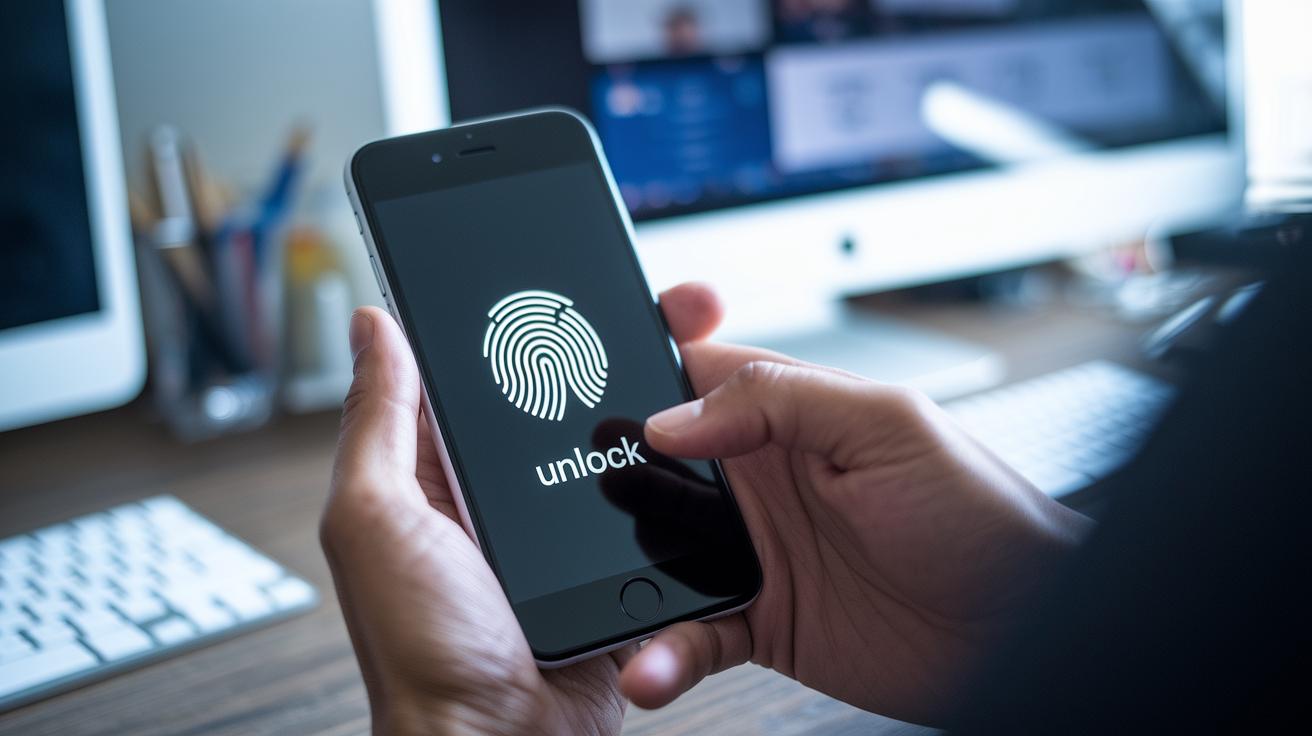
Biometric authentication checks who you are by looking at your unique traits such as fingerprints, facial features, iris designs, or even your voice. In 2023, a report found that nearly 75% of data breaches happen because people make mistakes or misuse old passwords. Using these unique markers instead of passwords means it is very hard for someone to cheat the system. For example, picture unlocking your account with just a glance, much like opening your favorite app with a quick swipe.
Swapping out old passwords for biometrics not only lowers the chance of stolen credentials but also keeps checking your identity in the background for a smoother login. Because the system confirms who you are automatically, you get secure access without the usual hassle. This approach really builds up your account security, a fact shown by the stricter measures in newer systems. You can even see these benefits on platforms such as Account security.
Both businesses and everyday users gain from this technology. The market for these secure methods could be worth about $60 billion by 2027. This growth happens because more people want better security that uses their own physical features to keep data breaches at bay. Some systems even check details like your typing style or walking pattern, adding extra layers of protection. In the end, using these smart login methods creates a stronger shield against cyber threats while making your access quick and easy.
Core Security Advantages of Biometric Authentication for Accounts
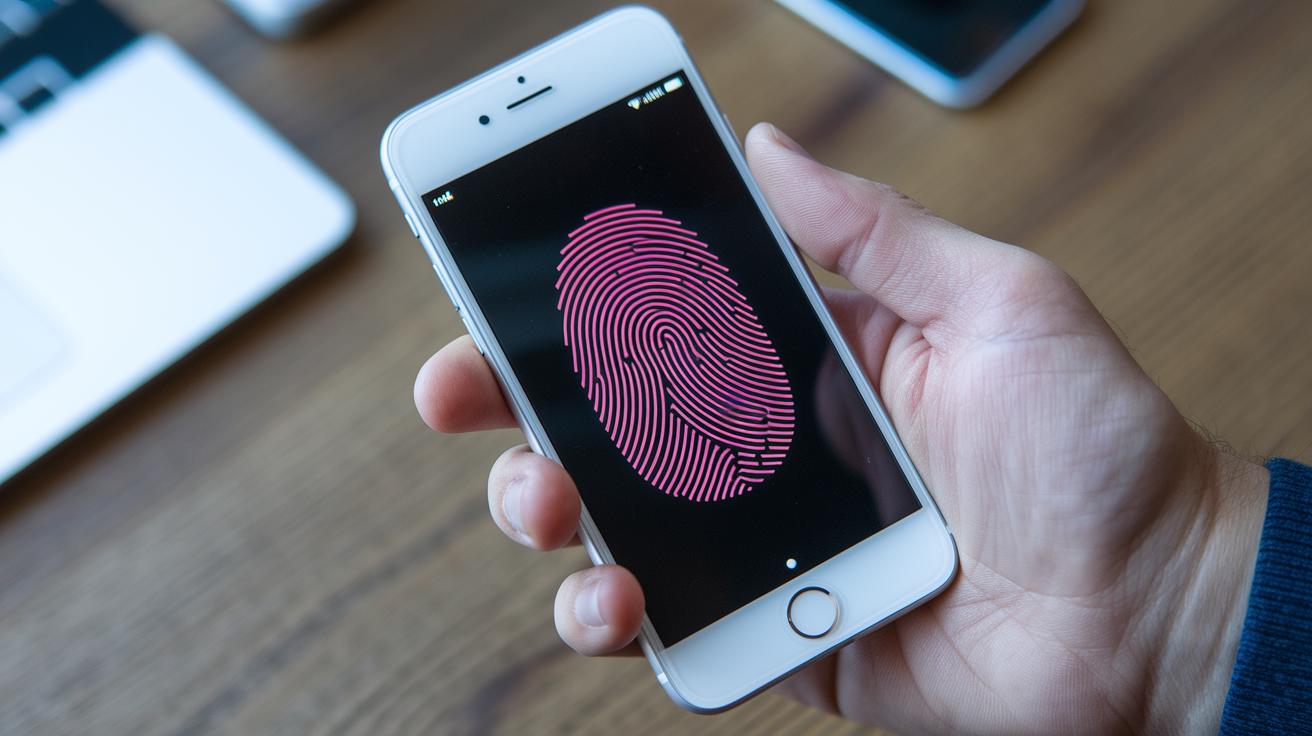
Sensor technology has come a long way, and it now captures biometric data more accurately. New sensors even pick up the tiniest skin vibrations and subtle pressure changes. This added detail makes it harder for fake fingerprints to fool the system. For example, these sensors detect even the smallest change in finger pressure, cutting successful spoof attempts by 25%.
Enhanced algorithms now check several data points at once, making identity verification even better. They work quickly and efficiently, boosting authentication accuracy by 18%. It’s like having an extra layer of security that works in real time.
New liveness detection methods ask you to perform quick actions, showing that you’re really there instead of using a static image. These challenge-response techniques stop even the most advanced spoofing tricks.
Some users still feel unsure about how their data is managed. Clear policies and ongoing education about privacy help build trust in these improved verification processes.
| Industry | Breach Reduction (%) |
|---|---|
| Banking | 30% |
| Healthcare | 25% |
Boosting User Experience and Convenience with Biometric Verification
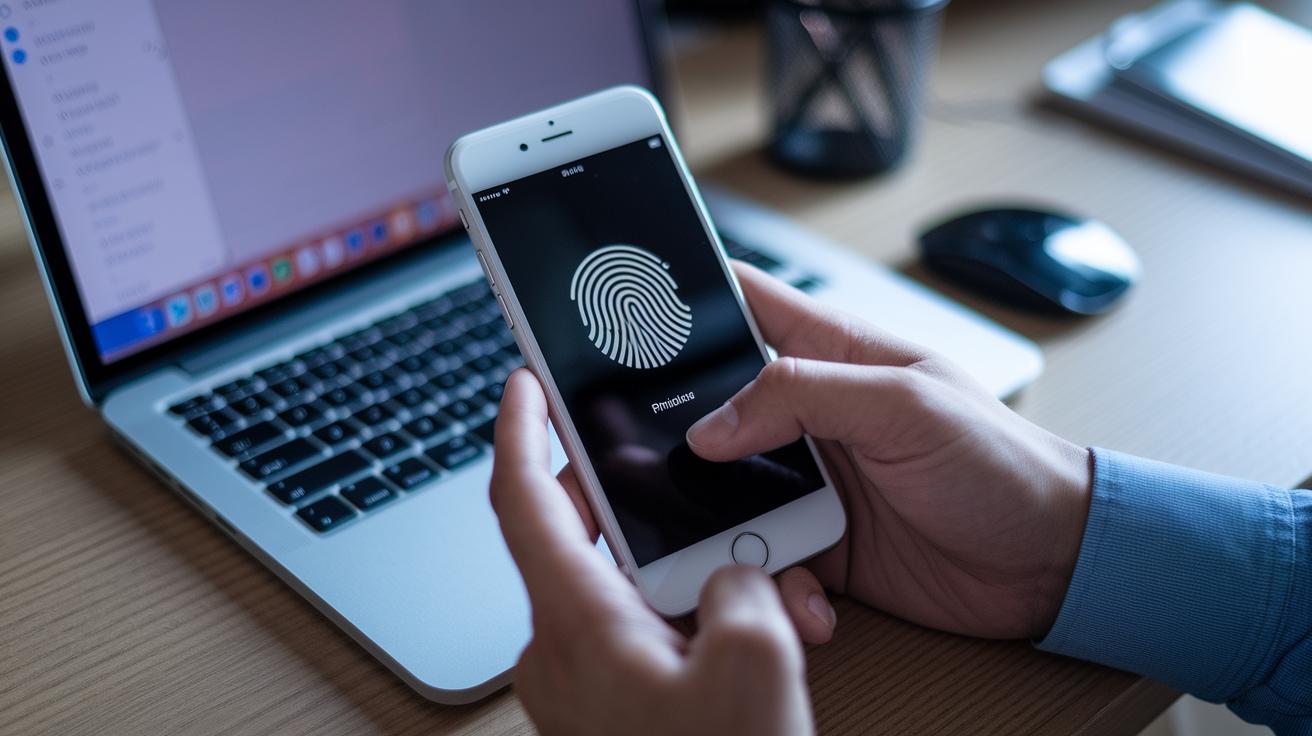
Biometric login lets you get into your account in less than two seconds. It feels a bit like unlocking your phone with just a quick glance, imagine starting your day without a wait.
By dropping passwords and PINs, there's less chance of forgetting your login details, which means fewer calls to customer support. This frees up support teams to help with more complicated issues. In fact, a 2023 study found that 90% of users like using fingerprint or facial recognition better than the old methods.
Some clear benefits include:
- Fast, secure access that keeps your login simple.
- Easy entry using a unique pattern so you don't need to remember codes.
- A boost in speed that makes logging in feel nearly instant.
- Contactless verification that adds extra ease by reducing the need to touch buttons or type in numbers.
These streamlined methods not only make logging in easy but also lift overall user satisfaction. Quick and secure access helps smooth out everyday use of digital platforms.
Fraud Prevention and Risk Mitigation via Unique Body Metrics
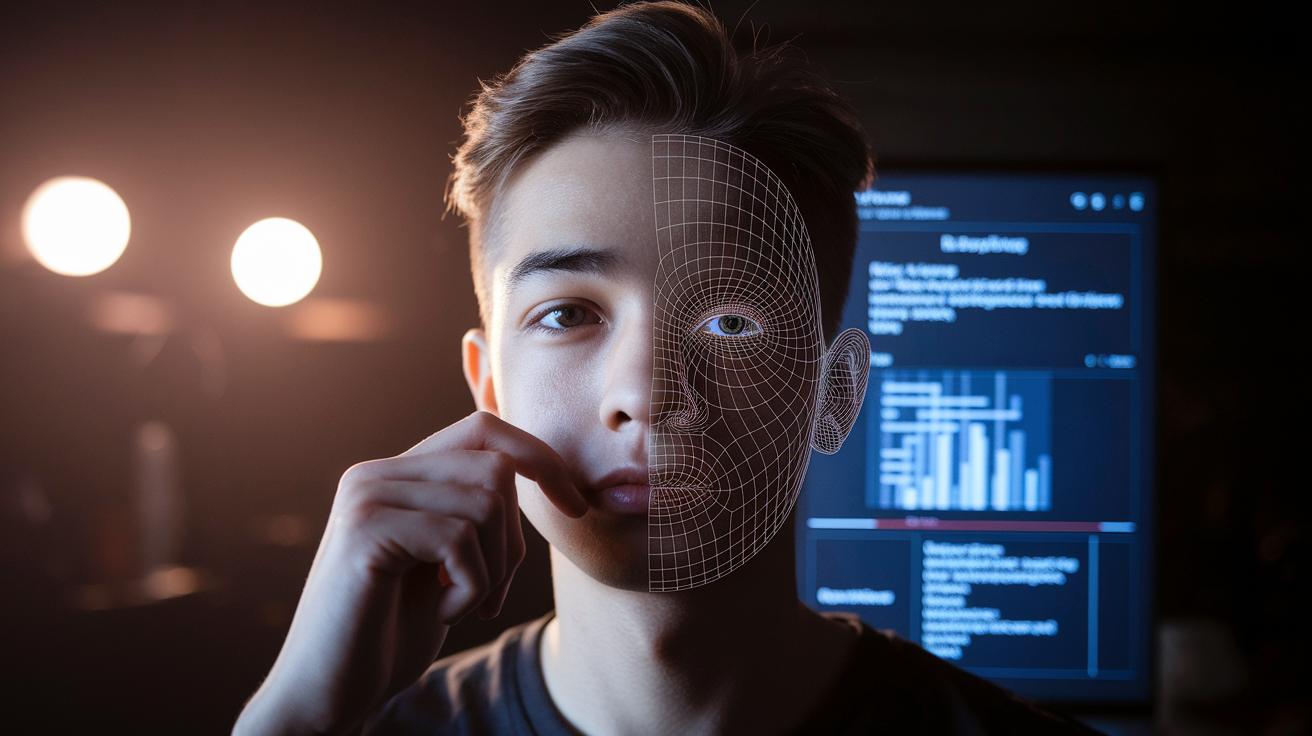
Biometric authentication uses your unique body features to confirm you are really you. The system takes a live sample and checks it against a saved record. For example, imagine unlocking your account with a quick blink or smile. It’s a simple, clever way to make sure only you get in.
Deepfake attacks have surged, growing about ten times from 2022 to 2023. This spike has pushed experts to use smarter, AI-powered live checks. These systems watch for tiny details, like small facial motions or voice changes, to add an extra layer of real-life proof.
Some setups mix different types of checks, like matching fingerprints with voice patterns. This combination keeps mistakes very low, even under 0.01%. If one method fails, another steps in to stop unauthorized logins.
Key benefits include:
- Fast and accurate recognition that stops suspicious actions.
- A strong guard against theft and impersonation by using unique body traits.
- Lower fraud risk through ongoing, natural checks.
These layers of security make your account quick, user-friendly, and very hard to crack, protecting your digital identity in an increasingly risky online world.
Integrating Biometric Authentication into Account Systems
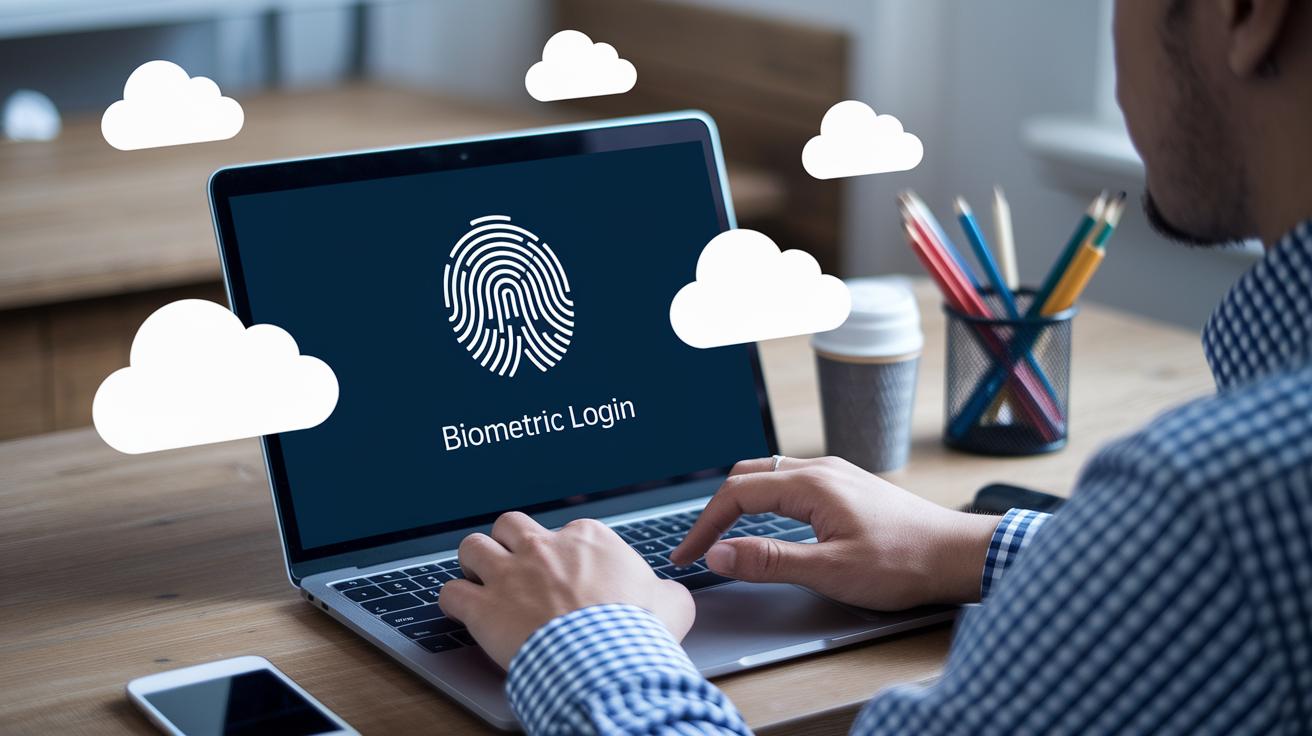
Biometric authentication can be easily added to today's account systems if you choose the right method. Many companies use mobile app SDKs and web APIs to plug in built-in device verifiers directly into their systems. Sometimes, larger organizations even set up on-site solutions for tighter control. This approach helps blend your current security with robust, reliable biometric checks.
If you're worried about spending a lot on new hardware like sensors or cameras, there's a friendlier option. Biometric-as-a-service lets you use cloud-managed systems that bundle hardware and software into a subscription. This means you can boost your security without a huge initial expense.
There are several ways to integrate these fresh verification systems to fit your needs. Whether you're opting for a native mobile platform or a cloud-based service, these options can be customized and updated as requirements change. In many cases, a full rollout happens in just 4 to 8 weeks, making the upgrade both steady and efficient.
Choosing one of these paths not only improves your account security but also works well with your existing setups. Companies can enhance user verification without disrupting day-to-day operations. With clear, step-by-step strategies and realistic timelines, biometric authentication strengthens your security while keeping costs and interruptions to a minimum.
Protecting Privacy and Ensuring Compliance in Biometric Data Use
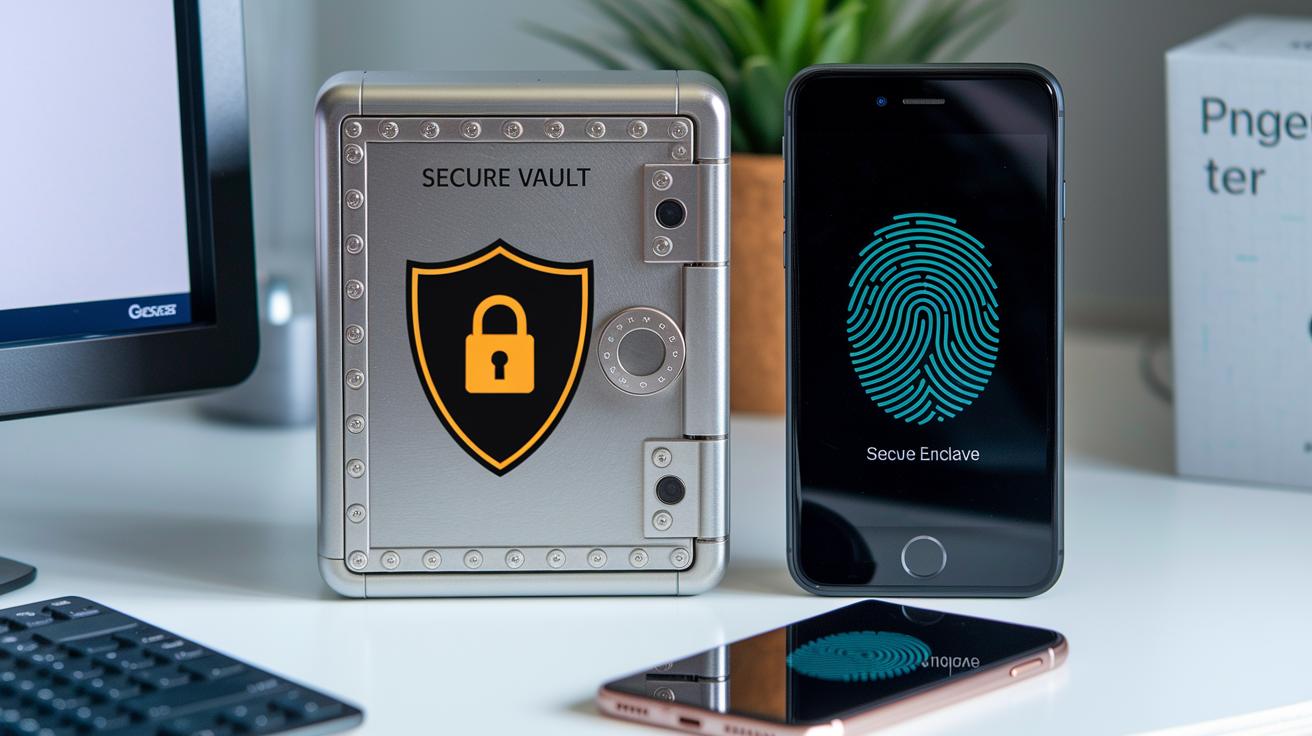
Biometric data offers strong security but also brings its own privacy issues. When someone gets hold of your fingerprint or facial data, you can’t just change it like you would a password. So, it’s important to use top-notch protection methods. One common approach is AES-256 encryption, a way to scramble your data to keep it safe. Picture your information locked up like a super-secure safe deposit box; that’s how strong encryption works.
Another smart move is storing your biometric details in a secure enclave on your device. Think of it as a tiny, tamper-proof vault inside your phone that keeps your unique identifiers separate from everything else. This extra layer of protection makes it much tougher for hackers to get at your data.
Following big privacy rules like GDPR and CCPA is also key. These guidelines ensure companies are clear about how they handle and store your data and that they ask for your consent. By collecting only what’s absolutely necessary and removing personal details where possible, companies lower the risks if a breach ever happens. It’s a bit like only signing for what’s truly needed in a secure transaction.
Security measures for identity scanning are constantly being updated to keep up with new threats. This ongoing improvement helps keep a solid balance between protecting your privacy and securing your data. Companies that put these practices into action not only shield your information effectively but also earn your trust by showing they care about your safety.
Comparing Biometric Authentication with Traditional Security Methods
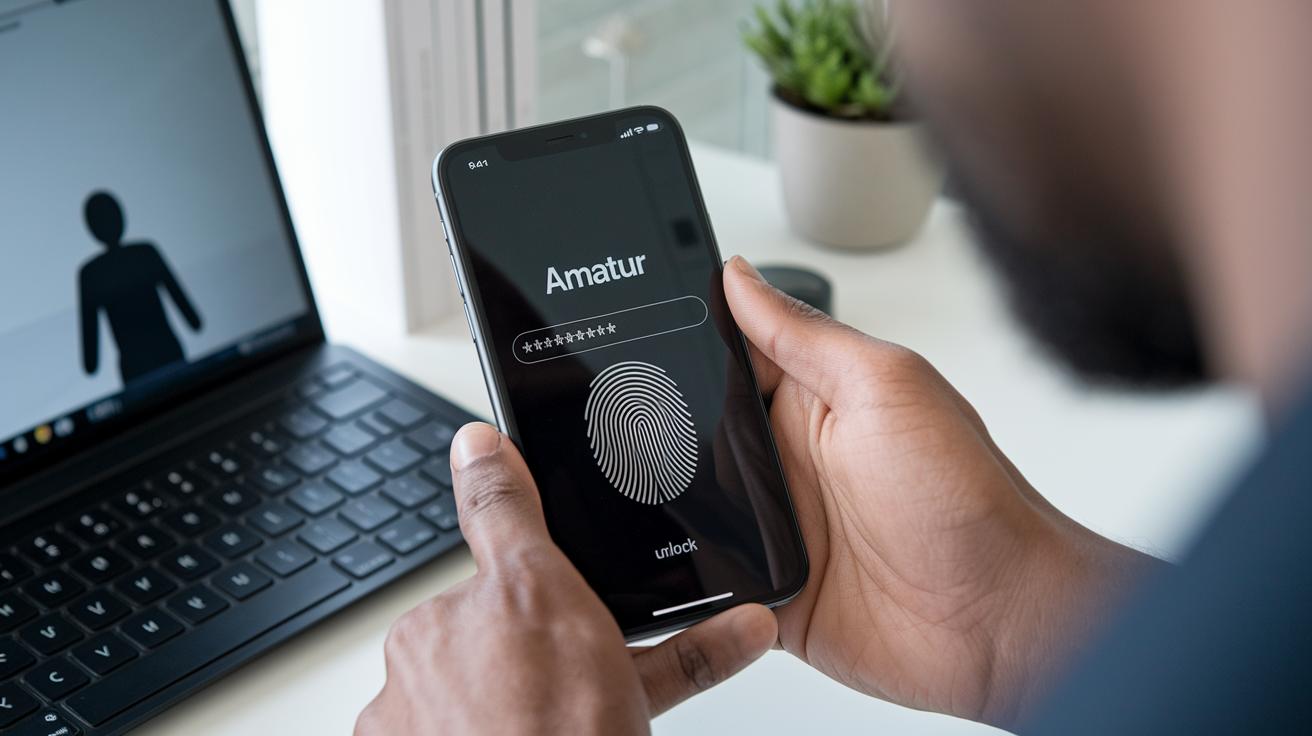
When you use passwords, tokens, or even two-factor codes, you rely on shared secrets. It’s like someone peeking over your shoulder to grab your password. Even with two-step logins, you depend on something that might be intercepted or misused, which can make login a frustrating process.
Biometric systems, however, use what makes you unique, your fingerprints, facial features, or other physical traits. Imagine unlocking your account with a quick touch or glance. It’s fast and cuts down on that annoying password fatigue, so you don’t have to remember long, confusing codes.
Plus, using biometrics can lower help-desk calls by around 70%. Users get a smoother, hassle-free experience without the need for constant password resets or troubleshooting.
Key benefits include:
- Better protection for online profiles by using unique traits that others can’t easily copy.
- Reduced risks by avoiding the common mistakes of human-made passwords.
- More secure data entry by relying on your natural, built-in features.
Key Challenges and Best Practices for Biometric Account Security Implementation
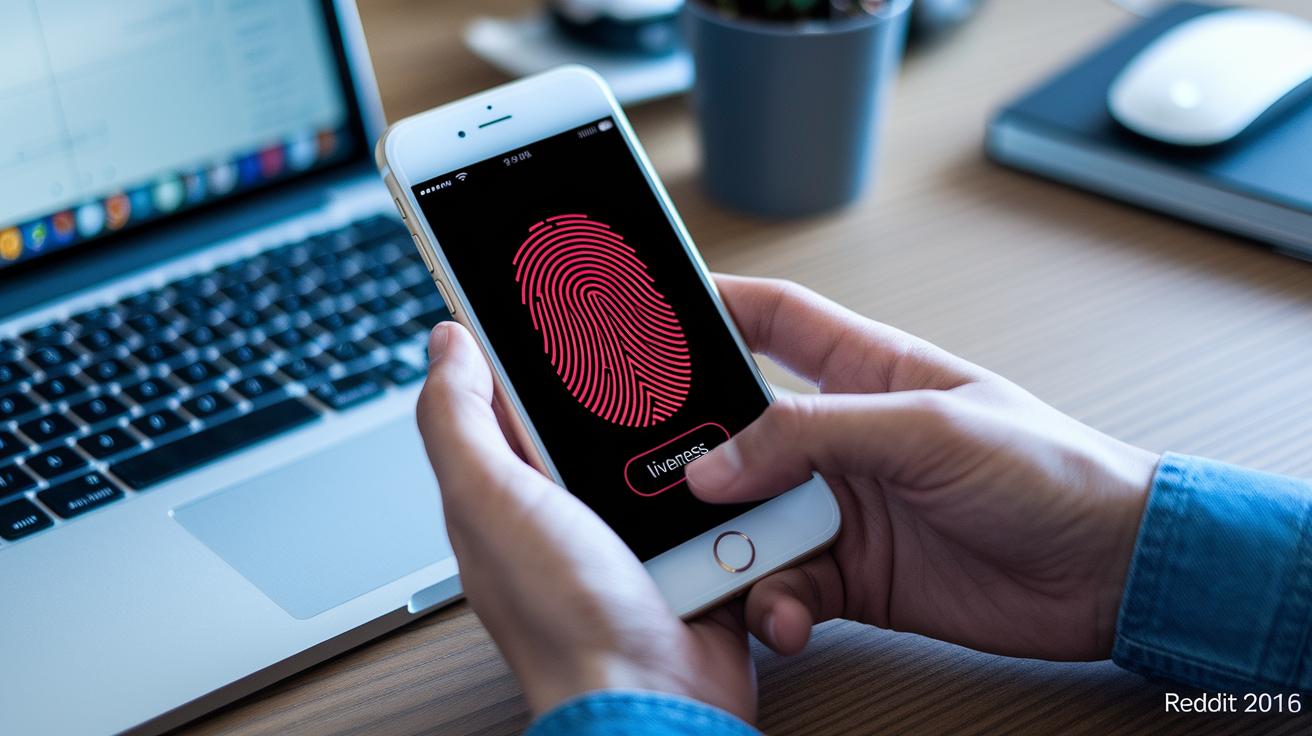
Biometric security is a powerful way to protect your accounts, yet it comes with its own challenges. The sensors needed can be expensive, meaning you have to invest quite a bit upfront. Plus, there are risks like deepfake and spoofing, where someone might mimic your unique traits. And unlike a password, if your biometric data is compromised, you can’t simply reset it. That’s why it’s so important to weigh the risks carefully when using human traits for security.
To overcome these issues, there are a few solid best practices to follow. For instance, using liveness detection ensures that the data comes from a real person instead of a photo or recording. Mixing different biometric methods, known as multimodal fusion, also helps by reducing the risk that one weak link might compromise the whole system. And by continuously monitoring your setup, you keep it alert to any new threats that pop up.
Another smart approach is to use adaptive, risk-based policies that adjust based on behavior patterns in access control. Regular security audits are also crucial, they help keep your defenses up to date and spot any vulnerabilities before they become a major problem. For example, a system that requires both fingerprint and facial recognition means that if one layer fails, the other is still there to protect your account.
- Liveness detection to confirm the sample is from a real person
- Combining different biometric methods to lower the risk of spoofing
- Continuous monitoring to stay on top of the latest security trends
- Adaptive policies that adjust to changing behavior patterns and threats
And don’t skip those regular audits; they are key to keeping your biometric security robust and reliable.
Final Words
In the action of tightening your online defenses, biometric methods add a strong layer of protection. This article laid out how these tools speed up access, lower fraud risks, and bring a smooth login experience. We broke down how they work compared to older, less secure systems and explored smart ways to adopt this tech. Embracing the benefits of biometric authentication for account security can give you more peace of mind and a brighter future with your funds.
FAQ
What are the advantages and disadvantages of biometric authentication?
The advantages and disadvantages of biometric authentication mean that unique body traits provide passwordless security, speeding login and reducing fraud, while challenges like high hardware costs and irreversible data loss can be significant.
What is a harmful effect of biometric authentication?
A harmful effect of biometric authentication is that compromised biometric data cannot be reset, potentially exposing users to long-term identity misuse and contributing to privacy risks.
How can biometric authentication address concerns related to privacy and informed consent?
Biometric authentication addresses privacy and consent issues by encrypting personal data, using secure storage, and incorporating clear consent flows that comply with data protection laws.
How can the accuracy of two biometric systems using different human characteristics be compared?
Accuracy between biometric systems is compared using standard tests measuring false acceptance and rejection rates, helping clarify which system better distinguishes live inputs from potential spoofing.
Why are biometrics important for security and how do they enhance transaction security?
Biometrics are important for security because they use unique, non-transferable traits, which enhance transaction security by lowering the risk of phishing, impersonation, and unauthorized access.
What are the advantages of biometric authentication in improving account security?
The benefits of biometric authentication for account security include fast, passwordless logins, reduced need for help-desk support, and a robust defense against common attacks through unique personal identifiers.
What are best practices for ensuring biometric data security?
Best practices for biometric data security include using strong encryption, storing data in secure enclaves, employing liveness detection, conducting routine audits, and following privacy regulations to protect user information.

amoxicillin for sinus infection
amoxicillin for sinus infection
mirtazapine for cats ointment
mirtazapine for cats ointment
sildenafil stuffy nose
sildenafil stuffy nose
dosage of pepcid
dosage of pepcid
super zudena
super zudena
dapoxetine drug test
dapoxetine drug test
generic flagyl side effects
generic flagyl side effects
metronidazole gel good for acne
metronidazole gel good for acne
bupropion generic vs brand name
bupropion generic vs brand name
ketoconazole shampoo therapy overview
ketoconazole shampoo therapy overview
ketoconazole effect on scalp fungi
ketoconazole effect on scalp fungi
ivermectin medical insights
ivermectin medical insights
minoxidil action timeline
minoxidil action timeline
sildenafil hearing loss risk
sildenafil hearing loss risk
sildenafil regulatory cost impact
sildenafil regulatory cost impact
vardenafil onset speed
vardenafil onset speed
augmentin medical context
augmentin medical context
otitis media antibiotic overview
otitis media antibiotic overview
Sildenafil vs vardenafil clinical comparison
Sildenafil vs vardenafil clinical comparison