Ever wonder if your private data is really safe? In today's world of growing cyber risks, many companies turn to data protection services that work like a strong shield for your personal and business details. By teaming up with experts, you get simple, clear help to follow privacy rules and avoid those expensive fines if something goes wrong. These services also help lay the groundwork for your business to grow. Keep reading to see how a solid security plan can really make a difference for you.
How Data Protection Services Secure Your Sensitive Information
When you think about protecting your data, these services work like a strong shield around your business and personal details. By partnering with experts, companies get clear, organized support that helps them follow rules and improve everyday security. This hands-on approach lowers risks and can save you from expensive fines if a data breach happens.
Today’s security challenges need a full, all-around plan. Skilled teams guide you on safe practices and help with everything from managing private details to protecting financial records. They mix smart technology with real human care to keep your digital world secure for everyone.
| DPO support | Data protection audits |
|---|---|
| Data Protection Impact Assessments (DPIA) | Incident response |
| Vendor risk management | |
All these services work together to cover every part of your security needs. Regular audits and external DPO support keep you in line with global privacy rules. DPIAs help you spot potential risks before they grow. When an issue pops up, a quick-response team is ready to jump in and protect your data. Plus, checking vendor risks makes sure that outside partners don’t open new doors to vulnerabilities. This combined approach forms a strong system that keeps both personal and business data safe against today’s shifting cyber threats.
Data Protection Services: Reliable Security for Growth

Data protection services are vital for helping companies follow privacy rules and keep sensitive data safe. Businesses rely on these services to keep clear records, understand why they handle data, and regularly check for risks. When experts review systems and conduct impact checks, companies can avoid heavy fines and build trust with their customers.
GDPR Compliance Advisory
In a GDPR review, teams locate where personal data is stored and ensure there is a proper legal reason for processing it. They carefully examine policies and give each data activity a risk score. This approach not only finds gaps but also helps make consistent improvements throughout the company. For instance, an audit might show that certain personal details are processed without proper consent. That discovery prompts changes so the company meets the requirements of GDPR and the UK Data Protection Act 2018.
CCPA Compliance Guidance
In California, these services help companies manage consumer rights with a clear, step-by-step process for handling requests. Keeping detailed records means every request is addressed and logged promptly. Staff are trained to understand CCPA rules and handle personal information with care. These measures ensure every consumer interaction is tracked correctly, from data access requests to data deletions.
HIPAA Security Consulting
For companies that work with electronic protected health information (ePHI), HIPAA security consulting focuses on keeping health data safe. They perform detailed risk checks to find vulnerabilities, create easy-to-use policy templates, and offer regular training sessions for staff. By using both technical and administrative safeguards, businesses can protect health data confidently while following best practices under HIPAA guidelines.
All these compliance solutions work together to build a strong system. This system not only meets regulatory rules but also boosts overall data security, setting the stage for steady, sustainable growth.
Managed Information Defense and Risk Management Advisory
Companies today face non-stop cyber threats. They need to spot problems quickly and look deeply into them. IT risk assessment services, like those explained in "what is risk assessment" (https://dealerserve.com?p=), use vulnerability scanning to find weak spots before they become big issues. These services work closely with vulnerability assessment consulting, which carefully checks every corner of your IT systems to catch any hidden gaps. This teamwork helps your company fix little problems before they grow into serious risks.
On the defensive side, penetration testing advisory simulates real attacks to test how well your system stands up against outside breaches. When an attack does happen, digital forensics consulting jumps in. They dig into what went wrong, preserve digital evidence, and find the main cause so the same problem won’t come back. At the same time, risk management advisory gives you live risk updates and cyber threat analysis, keeping you ahead of new challenges. And don’t forget vendor security evaluation and third-party risk mitigation – they help block risks that could come from partners or other indirect sources.
| Service | Purpose | Key Benefit |
|---|---|---|
| Managed Information Defense | Continuous threat monitoring | Early detection |
| Risk Management Advisory | Risk identification & prioritization | Reduced exposure |
| Digital Forensics Consulting | Breach investigation | Root-cause analysis |
| Vulnerability Assessment | System scanning | Remediation guidance |
| Penetration Testing | Simulated attacks | Security posture evaluation |
When you combine these services, you build a layered security system. Each part works together to spot, analyze, and stop threats. It means that any weak spot – whether inside your network or coming from an outside partner – is kept under control and managed well.
Cloud Security Management and Secure Cloud Architectures

Building a secure cloud starts with a smart design that shields your data from day one. Experts use clever methods like splitting data into safe zones and multi-factor authentication (a way to double-check who you are) to keep access secure. They also set up cloud encryption, which scrambles your data whether it's stored or traveling over networks. This design follows trusted standards like ISO 27017, giving companies peace of mind that their cloud safety meets proven practices. Plus, techniques such as careful data migration and virtualization let businesses move into the cloud smoothly and securely from the very start.
Keeping the cloud secure means watching things closely and staying ahead of risks. Systems now include cloud compliance checks so businesses are always ready for audits and new rules. Regular risk reviews catch weak spots early, and clear plans help fix them fast. This constant care not only fends off new cyber threats but also keeps everything audit-ready. In short, a proactive approach to cloud security means both business and personal data stay safe, paving the way for steady growth.
Strategic Cybersecurity Planning and Incident Response
In our fast-changing digital world, building a strong cybersecurity program is a must. Companies review trusted frameworks like Zero Trust and NIST CSF to set clear, easy-to-follow guidelines. With our around-the-clock Security Operations Center, teams keep an eye on log data and spot unusual activity as it happens. This careful monitoring helps organizations stay one step ahead of threats while keeping their systems safe.
Incident Response Planning
A big part of being ready is having clear steps in place when something goes wrong. Teams agree on specific roles, know exactly who to call, and set up procedures they practice regularly. So when a breach happens, a quick-response plan springs into action, helping with legal notifications, forensic investigations, and fast fixes. It’s like having a fire drill ready so that damage is minimized and downtime stays low.
Threat Intelligence Monitoring
Our defense starts with smart threat intelligence. By integrating real-time alerts and feeding in threat data, we can sort out which alerts need urgent attention and which ones aren’t as pressing. Using simple risk scores and analytics, the team focuses on the most severe risks first. This real-time stream of information offers clear, actionable insights that help nip vulnerabilities in the bud before they’re exploited.
Together, strong planning and a fast reaction work like a dynamic shield. They keep both business and personal data secure, while giving everyone the confidence to move forward safely.
Enterprise Security Frameworks and Lifecycle Information Governance
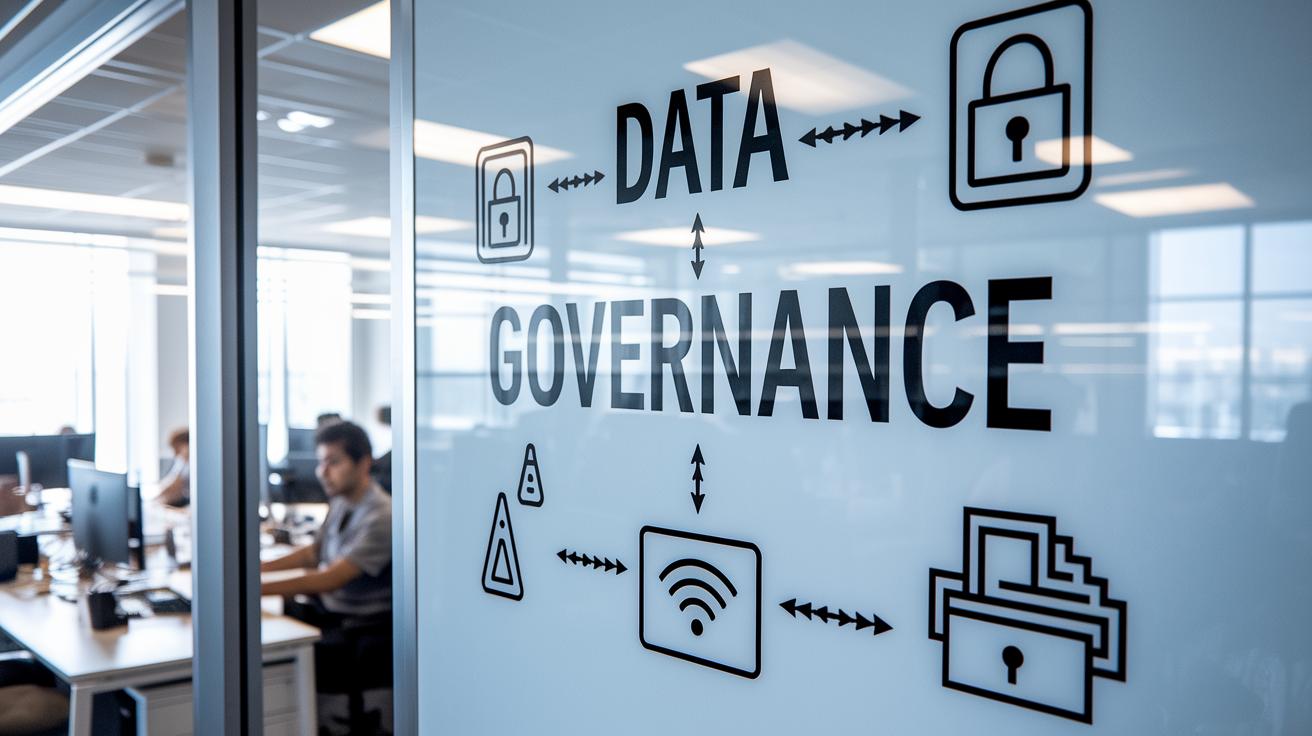
Enterprise security frameworks help companies manage data at every step, from creation to secure deletion. They work like a clear recipe: first, you decide how important each piece of data is, then you handle it with care based on its sensitivity. This means setting up simple rules, imagine sorting your photos into folders you want to keep versus those you can delete later.
Next comes lifecycle governance. Companies create clear schedules to know how long to keep data and when to delete it safely. This way, they lower the risk of a security mistake. IT governance ties these steps to bigger business goals, making sure that even as things change, the security measures still do a solid job.
And it doesn’t stop there. Organizations also review contracts with third parties, keep in touch with supervisors, and manage data requests carefully. Advisory services help enforce these rules and keep audit records ready. They work closely with all the stakeholders to watch for new guidelines and adjust protections as needed. In truth, this teamwork builds a strong system that consistently protects your data and keeps everything transparent.
Pricing Models and Case Studies for Data Protection Services
When it comes to guarding your data, companies often choose subscription or tiered pricing plans. For example, basic plans usually start at about $50 per user each month. This makes them a great pick for businesses that just need simple auditing and oversight. Meanwhile, enterprise bundles pack in a full range of services like thorough audits, quick incident response, and vendor risk management. And if you have distinct needs, you can ask for a custom quote tailored to your specific requirements, a bit like picking a starter kit that grows as your needs do.
Real-world examples really highlight how these pricing models work. One case study (Contract GS-35F-508CA, 09/29/2015–09/28/2030) focused on spotting vulnerabilities and deploying custom technology, setting the stage for long-term defense. Another (Contract N66001-23-A-0054, 07/14/2023–09/04/2027, with an extension until 09/04/2032) shows how enhanced security operations and quick incident responses can really boost protection. A third study (Contract N0017825D7414, 01/02/2025–01/01/2029) demonstrates how blending cloud transformation with endpoint security builds a strong defense. Imagine a business that grows steadily as its security evolves, a friendly reminder that smart pricing choices can lead to both solid security and confident growth.
Choosing the Right Data Protection Services Provider

When you're picking a data protection provider, it's all about matching their skills with your needs. You want a partner who gets your risks and follows the rules. Look for companies with clear badges like SANS, ISC2, or GIAC. These badges mean they know their stuff in cybersecurity and stick to high standards. And if they have plenty of experience with both on-site systems and cloud setups, that's even better because they can tailor solutions just for you.
Next, make sure your potential provider offers non-stop, friendly support. Knowing someone is there for you 24/7 with a clear promise on how quickly they’ll respond can really put your mind at ease. It’s also smart to check if they keep an eye on your security all the time, so any issues get sorted out fast. And don’t forget to look at their partnerships with tech firms that follow ISO and other regulatory guidelines; it shows they care about doing things the right way.
Here are some quick points to consider:
- Verify they offer 24/7 support with clear service agreements.
- Confirm that their security team is actively monitoring and ready to handle threats.
- Check that they work with tech partners who follow ISO and other key standards.
- Review their references, case studies, and audit records to see real-world proof.
- Ensure they have the expertise in both on-premise and cloud systems for a custom fit.
Taking a close look at these factors helps you feel confident that your provider can offer solid protection and meet all your data security and compliance needs.
Final Words
In the action, this post explored how data protection services work to secure sensitive information. It covered everything from DPO support, audits, DPIAs, incident response, to vendor risk management. The discussion also touched on compliance frameworks, cloud security, strategic incident response, and pricing models that empower smart investing and personal finance management decisions.
Utilizing data protection services strengthens financial defenses and builds lasting confidence in today’s market trends. Here's to making informed, secure decisions every step of the way.
