Ever wondered if helping the planet could also give your wallet a boost? Sustainable farming is not only kind to nature but may also offer smart returns.
More people are choosing to invest in green farms that save water, use fewer chemicals, and create cleaner energy. These farms have a steady vibe that supports local communities while keeping our earth healthy.
This trend is changing how we think about food and money, opening up exciting opportunities in our evolving world.
Market Overview and Growth Projections of Sustainable Farming Investments

Our world is hungry for change. With nearly 9.7 billion people projected by 2050, everyone needs food, and that means we have to rethink how we farm. People and investors alike are turning to methods that protect nature and support communities. These farms use fewer pesticides, take good care of water, and produce less greenhouse gases.
Investing in sustainable farming is a smart move. Farmers are working hard to cut down on pollution by mixing different crops and managing water more wisely. This approach not only brings market-rate returns but also lowers long-term risks and keeps cash flowing steadily. Remember when organic food took off during the COVID-19 pandemic? That shift toward healthier eating shows just how attractive sustainable practices really are.
Consumer trends and government policies are giving this movement extra momentum. More people want organic produce, and supportive laws and incentives are leveling the playing field for small farms. Investors now have modern tools to study market trends and forecast returns. In truth, the mix of these smart policies and our analytical tools is creating a thriving space where sustainable farming can blossom and deliver solid rewards.
Core Strategies and Funding Models for Eco-Friendly Agricultural Investments
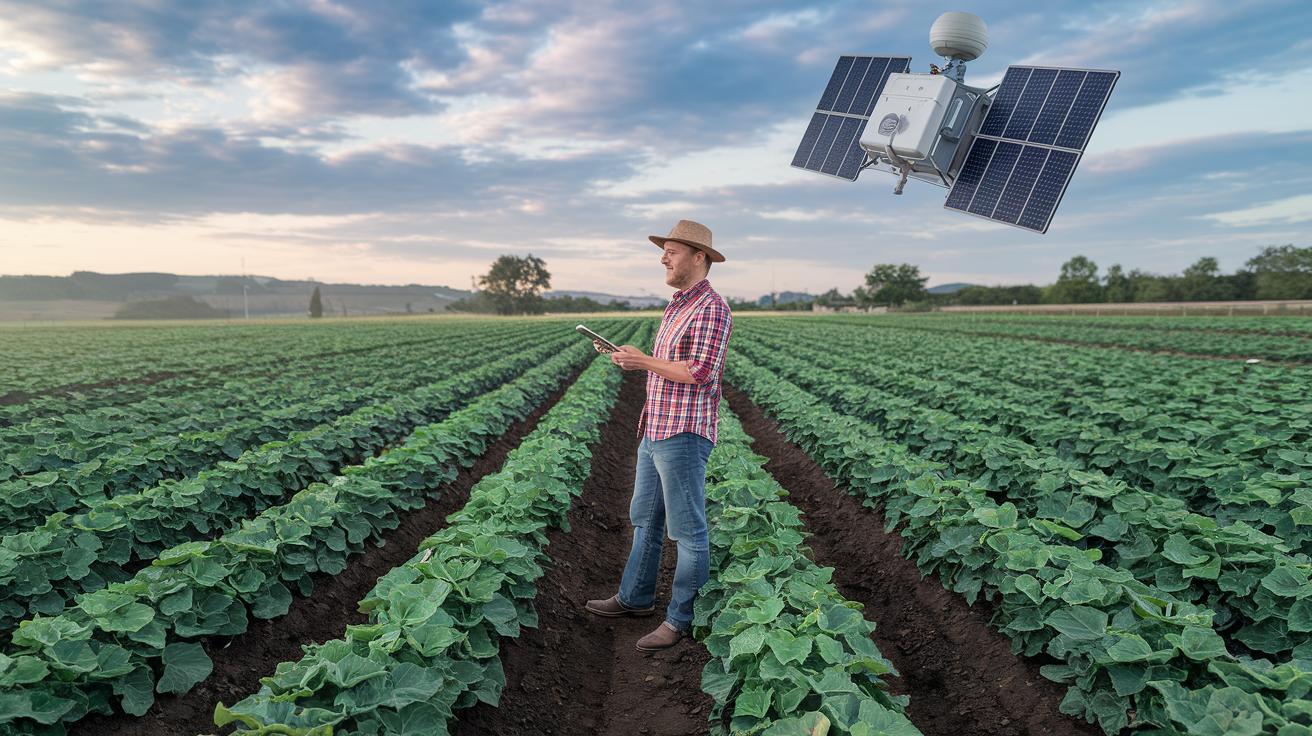
Investors are moving away from big, input-heavy farms and putting their money into smaller, sustainable operations that focus on organic and regenerative practices. Nowadays, modern digital tools like IoT sensors (devices that collect real-time data), AI (systems that learn and make decisions), blockchain (a secure way to track transactions), and satellite monitoring are making a huge difference. These tools help farms run better and keep a close eye on performance.
At the same time, there’s growing interest in niche projects. Think about specialty crops that can handle changing climates. Not only can these ventures offer higher returns, but they also promote better soil health. Meanwhile, emerging projects in agri-processing and bioenergy are cutting post-harvest losses and boosting the value of produce.
Here are some key strategies:
- Precision AgTech with IoT sensors, AI, and blockchain
- Ventures focused on specialty and climate-resilient crops
- Models that combine agroforestry with carbon credits
- Facilities that add value through agri-processing and bioenergy projects
- Approaches that embrace climate-adaptive livestock and sustainable aquaculture
These strategies take full advantage of today’s digital tools and open the door to innovative investment models. By mixing different approaches, investors can enjoy strong returns while spreading out risk across several revenue streams and sustainable practices. This diverse mix makes the entire portfolio more solid and resilient.
Case Studies and Return Profiles in Organic and Regenerative Farm Finance

Let's take a closer look at two real-life examples that show how investing in organic and regenerative farming can bring you solid returns while also supporting ethical and sustainable practices. These projects prove that smart, eco-friendly investments can work wonders for both your wallet and the earth.
| Case Study | Region | Investment Type | Key Returns |
|---|---|---|---|
| Specialty Coffee Project | Panama | Organic Farm Finance | 14% annual yield |
| Fine-Flavor Cacao Initiative | Belize | Regenerative Food Systems Funding | 12% annual growth |
These examples clearly show that using methods like agroforestry and shade-growing can boost soil health and preserve the variety of our plants. You see, the premium prices that specialty coffee and fine-flavor cacao command not only drive good returns, but they also help keep supply chains steady. In truth, backing these projects lifts up rural communities and spreads out revenue streams. It’s a win-win situation, you earn smart returns and support a healthier planet.
Assessing Risk and Mitigation in Climate-Smart Agriculture Ventures
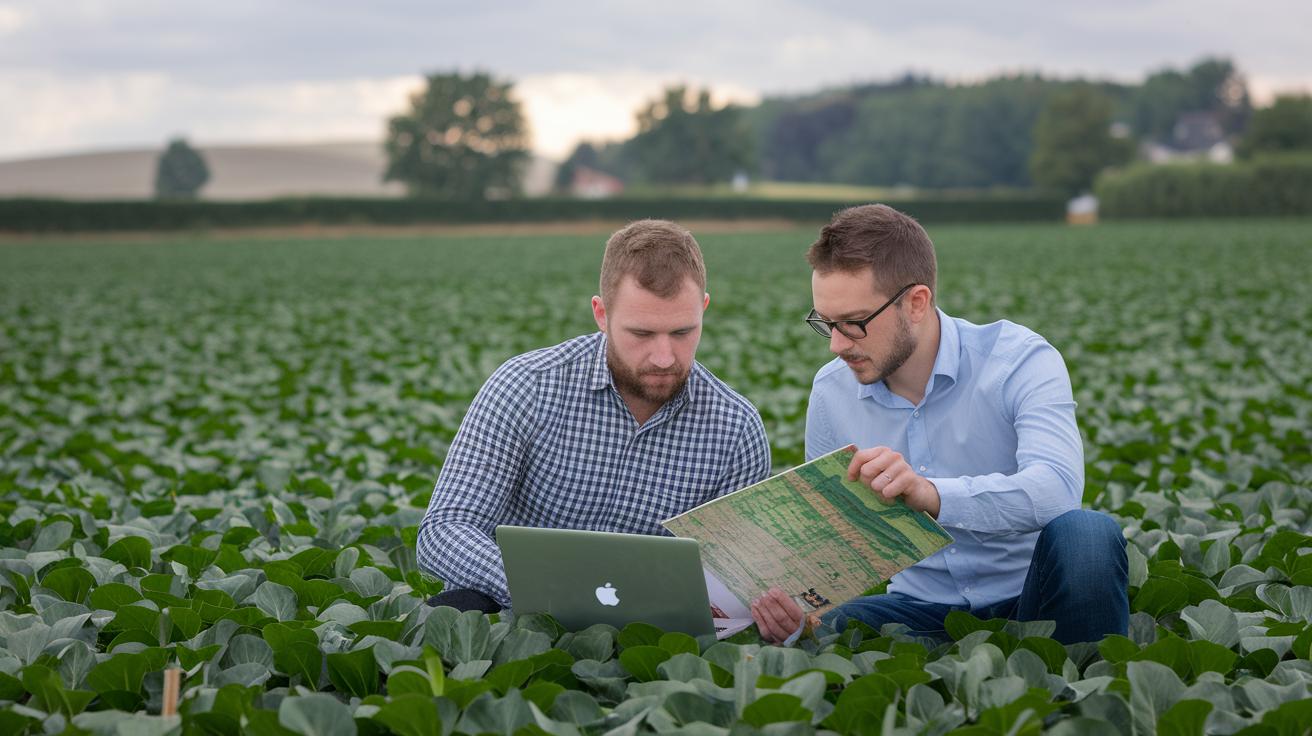
Investing in sustainable farming can be a bit tricky. There are many challenges like changing rules, unpredictable weather, and shifting market demand. Smart investors keep a close eye on these risks by doing their homework, understanding local policies, and even using tools like crop insurance to stay protected while backing green practices.
Regulatory and Policy Risks
Rules for sustainable farming can feel like a maze. Investors need to work hand in hand with local officials and policy makers to get clear guidance. Building these partnerships makes it easier to follow the rules and lets your investment thrive within the legal frame.
Environmental and Operational Risks
Nature can be unpredictable. Weather swings and water shortages may impact the farm's overall performance. Keeping an eye on weather trends and adjusting strategies on the fly, like installing monitoring systems, can help smooth out these bumps, making sure the farm stays on track.
Market and Financial Risks
Market ups and downs can be nerve-racking, especially for niche crops like specialty coffee and cacao. Price changes and shifts in demand can affect your bottom line. That's why having access to crop insurance and watching market trends closely can really help cushion those financial shocks.
Combining thorough research with practical steps like using crop insurance and staying flexible with your strategy can really lower the risks. For a closer look at how risk management works, check out more on risk assessment here: what is risk assessment. These steps work together to make sustainable agriculture a more stable and promising investment.
Regional Hotspots for Green Farming Investments

Sub-Saharan Africa is full of promise. It has lots of unused land and is quickly adopting new farming tools. This change supports both a healthier environment and good returns for investors. Many projects in the area focus on organic and regenerative practices that improve the soil and water. Local communities benefit while investors find many sustainable farming opportunities. For more details, check out investment opportunities africa.
Southeast Asia and Latin America are also on the rise. These regions are seeing growth in areas like aquaculture, specialty crops, and organic markets. They mix old farming methods with modern technology to boost yields and market reach. This combination makes it a win-win situation; investors get solid returns while helping the planet. Want to know more? Take a look at future prospects of emerging markets.
North America and Europe remain strong players. Their mature bioenergy and commodity-crop markets are backed by stable policies and strong support programs. These regions have solid infrastructures that help reduce risks from weather, policy changes, or other uncertainties. This stable base makes them a safe bet for investors wanting to balance their portfolios.
Policy Drivers and Financing Innovations for Low-Carbon Farm Investments
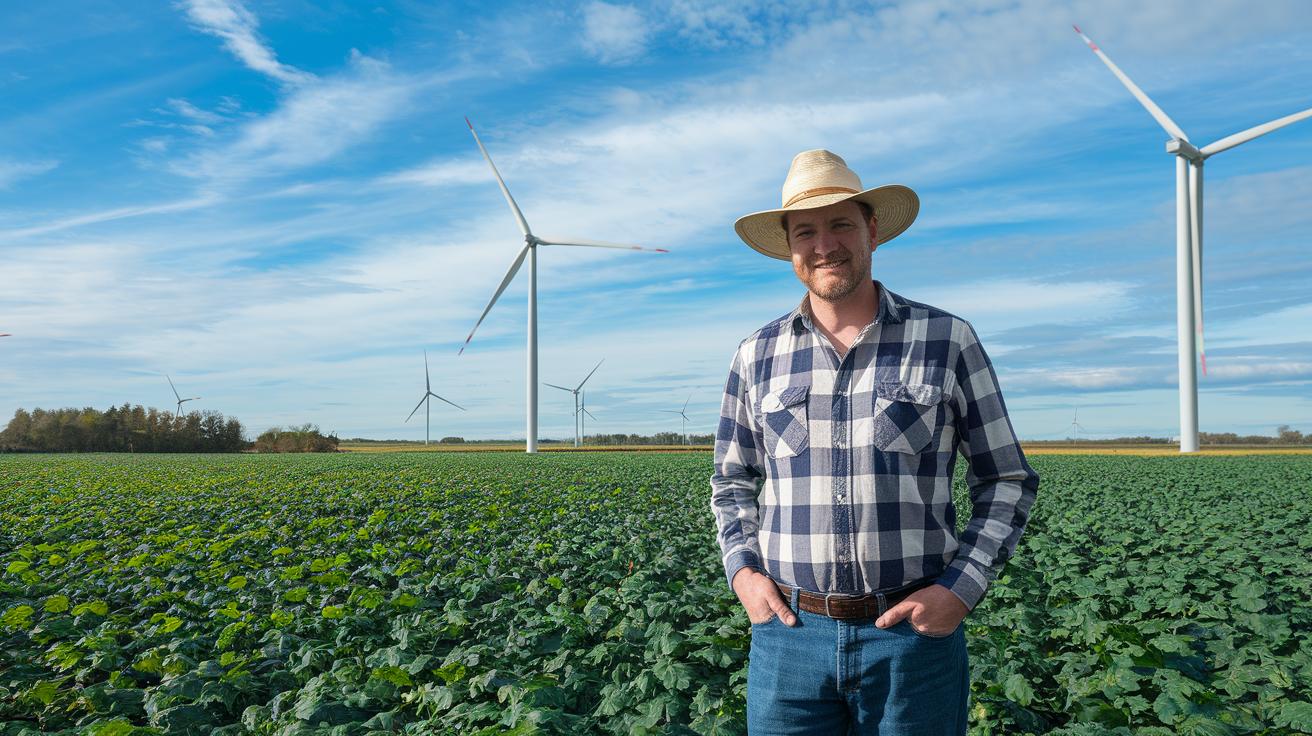
Government support makes a huge difference in boosting low-carbon farming projects. They offer grants, tax credits, and carbon-trading programs (a system where companies buy and sell credits for lower greenhouse gas emissions) that reward practices reducing emissions and improving soil and water quality. This kind of support helps farmers and investors move away from fossil fuels and switch to renewable methods, building long-term trust in eco-friendly investments.
New financing options are also paving fresh avenues for green investments. Tools like green bonds and sustainability-linked loans help back projects that cut down on post-harvest losses and promote bioenergy and low-carbon production. Investors can support projects that meet clear environmental, social, and governance goals while earning good returns. In short, these innovative instruments make it possible to do well financially while caring for the planet.
Public-private partnerships play a key role in growing regenerative farm practices. When government groups team up with private investors and impact funds, they create flexible pools of money to support new eco-friendly methods. By mixing public oversight with private capital, these partnerships build a climate-friendly farm model that benefits both investors and the environment.
Final Words
In the action, we reviewed how smart investing in sustainable practices connects market trends with practical, eco-friendly strategies. We looked at global demand, precision AgTech, and case studies showing attractive returns. Each section showed that responsible investments can protect the environment while supporting financial growth.
The topic also covered risk management and emerging policy support, offering insights for long-term financial security. With sustainable agriculture investment opportunities driving both impact and returns, the outlook remains encouraging and full of promise.
FAQ
What does executive training on sustainable investments in agriculture offer?
The executive training on sustainable investments in agriculture offers leaders key strategies to combine market returns with eco-friendly practices, paving the way for responsible investment decisions.
What does a sustainable investment internship provide?
The sustainable investment internship provides hands-on learning, equipping interns with practical experience to support projects that drive financial growth alongside environmental progress.
What roles do Stuart Investments, Stewart Investors, and Stewart Investors Worldwide play?
The firms in question focus on sustainable finance by using strategies that blend profit-making with environmental and social benefits, ensuring clarity in green investment efforts.
How do the Columbia Center for Sustainable Development, the Columbia Center on Sustainable Investment, and Columbia Sustainable Finance contribute?
These Columbia centers contribute by offering research and frameworks that link sustainable development with financial strategies, guiding investors towards responsible, impactful decisions.
