Have you ever stopped to wonder how a country goes from simple farming to a full-on consumer society? It all starts with tiny changes in industry and trade that build up slowly, much like a rocket that launches after lots of careful tests.
In this guide, we talk about the Rostow stages of economic growth, which break down a nation's journey into five clear steps, from traditional ways to mass consumption. Each stage plays its own part in boosting a country’s economy, and understanding these steps helps us see how development really works.
Academic Overview of the Rostow Stages of Economic Growth

Before launching a rocket, engineers conducted countless small experiments in makeshift laboratories, each one building on the last. Much like those steps, Rostow's model shows how countries move from basic living to modern industry.
Rostow introduced his ideas in 1960 with his book "The Stages of Economic Growth: A Non-Communist Manifesto." He described five clear stages that mark a nation's economic journey. First, a traditional society relies on simple farming and basic tools. Then come the early preparations where small changes, like better roads and early business ventures, start to take shape.
When things hit the take-off phase, industries begin to grow quickly thanks to new inventions and hard work. Next, during the drive to maturity, the economy gets even more diverse and adopts new systems to boost productivity. Finally, in the age of high mass consumption, the focus shifts to consumer markets, and societies enjoy a higher standard of living with benefits like social support.
In essence, this model is like a step-by-step blueprint, showing how early investments and innovation can set the stage for long-lasting growth. It remains a helpful guide for understanding how countries have transformed their economies over time.
Traditional Society Stage in Rostow’s Economic Growth Model
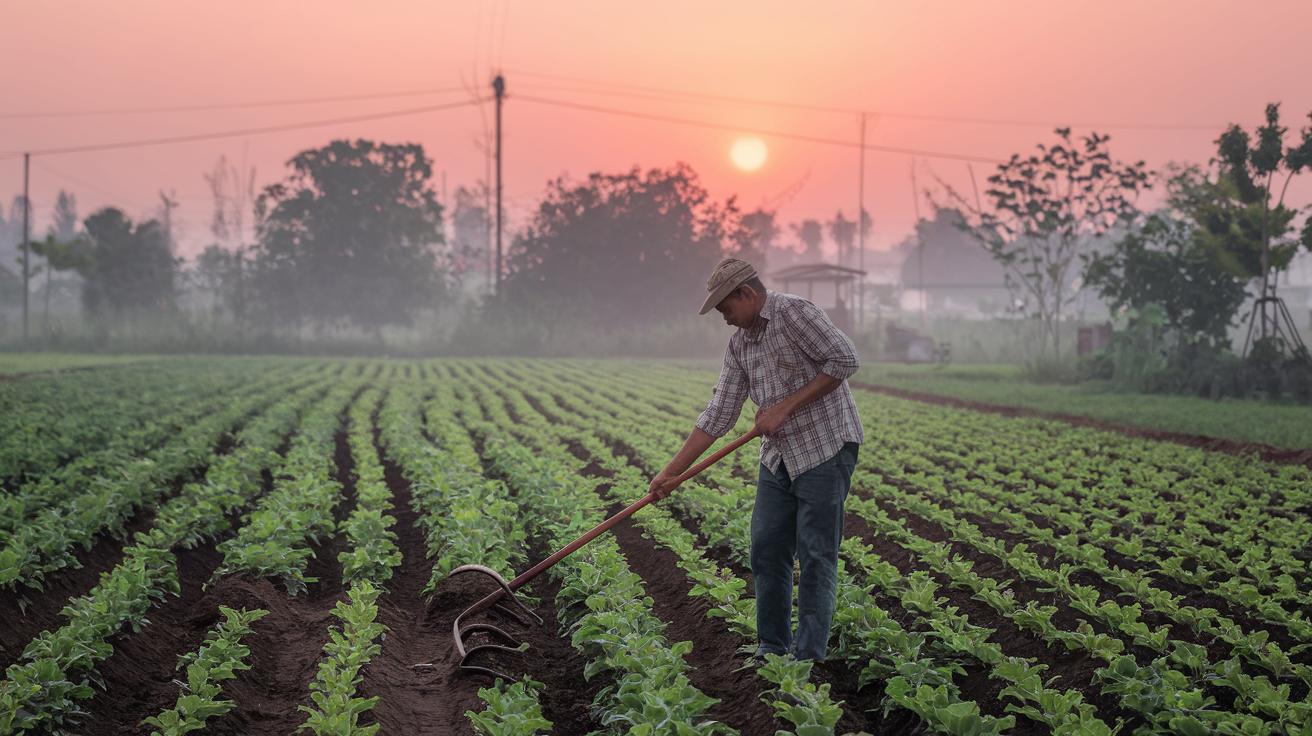
In this stage, most people farm just enough to feed themselves, using old ways and simple tools. There isn’t much use of new technology, so work is mostly done by hand. With little trade or industry, the economy hardly grows and production stays low for a long time.
People’s roles in society are very fixed, and there isn’t much chance for anyone to move up or try new business ideas. It’s a bit like a small town where each family grows just what they need. There isn’t extra to invest in better tools or new methods, so survival comes first over learning more or trying improvements.
To really develop and see changes in living conditions, societies have to move beyond just basic farming. Upgrading education, welcoming new tech, and making smart investments are key. Only then can a community break free from old habits and open the door to industrial growth.
Preconditions for Take-Off in Rostow’s Framework

At this stage, big changes are just beginning. You can sense a spark of new energy as an enterprising group starts to form. Think of it like a local craftsperson discovering a new market opportunity in town. This small move mirrors a broader shift where more money is saved and new chances for investment pop up.
Farms also begin to improve their ways of working. With better tools and methods, farmers start growing extra crops beyond what they need for daily life. This extra production stokes the engine of the economy as cash flows into projects that improve roads, transport, and communication across regions.
Governments jump in too, tweaking policies to support new business ideas and protect investments. Even basic modern tools make their way into everyday work, nudging society away from old habits towards a more modern, productive style.
All these shifts lay down the essential pieces , economic, institutional, and technological , that set the stage for explosive growth in industry.
Take-Off Stage: Industrial Surge in Rostow’s Model
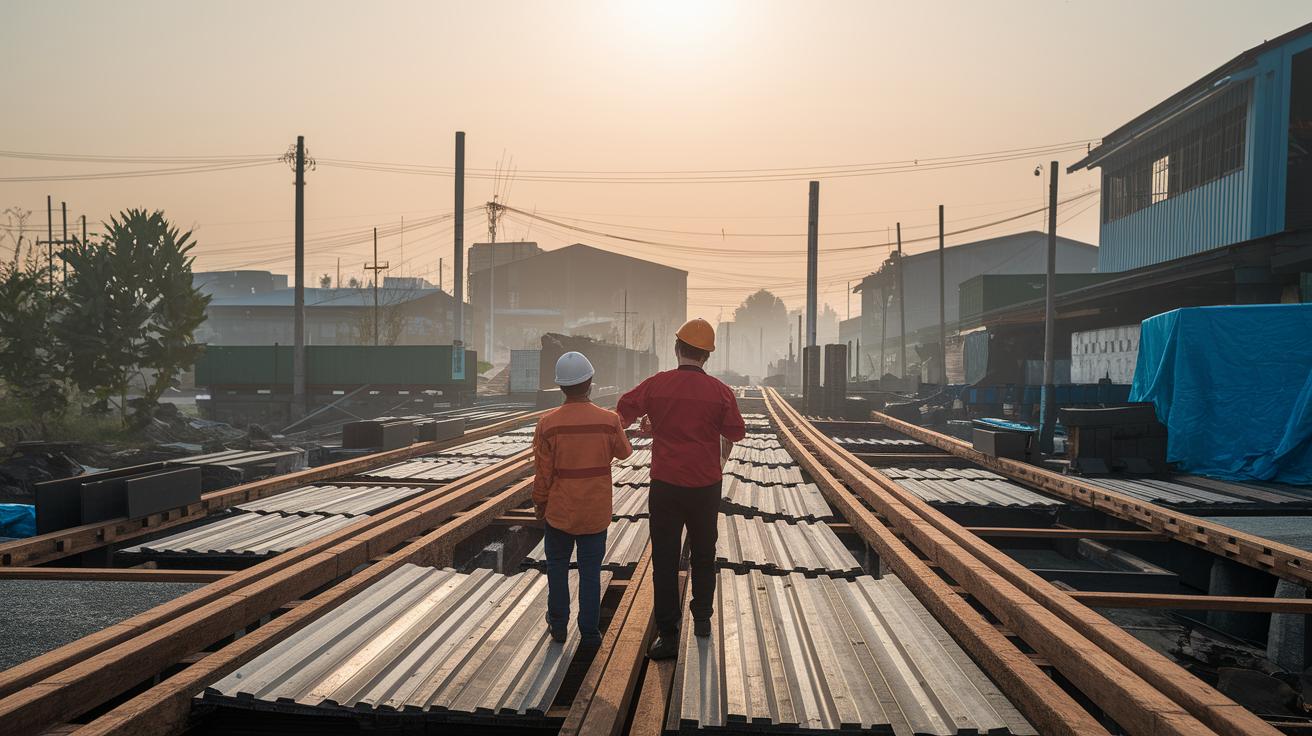
This stage marks a big turning point when an economy starts zooming into growth. Think of it like a small town that suddenly gets a burst of energy when one new factory opens up. Businesses in sectors like textiles, steel, or oil ramp up efforts, and the growth rate can jump above 5% or even 7% a year.
City centers grow fast during this time. New factories create plenty of jobs, which attract more people and drive urban expansion. As profits get reinvested into better machines and newer facilities, production climbs even higher. It’s like when a single business boosts its own setup and, in doing so, helps the whole community improve.
New technology spreads quickly during the takeoff. Old ways of making things are replaced by modern methods that make factories work more smoothly. This tech upgrade not only boosts efficiency but also encourages other businesses to invest and update their processes, creating a chain reaction of progress.
The industrial surge isn’t a quiet, gradual change, it’s a bold leap forward. With steady reinvestment and clear focus, the manufacturing sector becomes a powerhouse that drives the overall economy. This phase lays the foundation for a diverse and robust economic future, giving nations the momentum they need for strong, lasting progress.
Drive to Maturity: Diversification and Infrastructure Growth

At this stage, economies mix up their industries to include a wider range of trades, not just the early sectors that sparked growth. It's like a neighborhood store that starts offering more than just the basics, now there are plenty of choices that keep the community buzzing. Industries that once stuck to one or two main areas now explore new markets, creating jobs and boosting local growth.
Investments in infrastructure reach not only big cities but also small towns and rural areas. Imagine building new roads and setting up better internet systems in both lively areas and quiet spots so everyone stays connected. Modern technologies pop up in factories, offices, and transport systems, making them work more smoothly and efficiently.
At the same time, export capabilities grow as countries fine-tune their production for global standards, while local markets get richer with better services and fresh products. By combining diverse industries and improved infrastructure, these nations set the stage for steady growth and a stronger position in the global market.
Age of High Mass Consumption: The Consumer Era in Rostow’s Theory

In this final stage of an economy’s journey, the focus shifts from making things to meeting our growing desires. Instead of pouring money into factories, people spend more on items that last, like appliances and cars, and on fun extras like dining out and entertainment.
Imagine a scene where milling machines become background noise while malls, coffee shops, and restaurants take center stage. It feels like the buzz of a city waking up to enjoy life. In truth, people start using more of their income on comfort and convenience, making living standards rise.
At the same time, investments move from heavy industry to things that help our daily lives. Roads, parks, and public spaces get a boost, which supports the bustling service industry. This shift shows that economic success now means everyday luxury and a stronger sense of stability.
Critiques and Limitations of Rostow’s Five-Stage Model

Some people say that Rostow’s model makes economic growth seem like a one-size-fits-all recipe. They believe it forces every country to follow the same clear-cut steps without accounting for the different cultural, political, and outside factors that shape a nation. It is like expecting every dish to come out the same no matter what ingredients you use.
Other experts have pointed out that the model mostly reflects Western experiences. They argue that it overlooks the unique historical and social influences found in other parts of the world. This makes you wonder if one fixed set of stages can really cover the rich and varied ways countries develop.
In addition, the model tends to ignore sudden changes like natural disasters, political conflicts, or global economic shifts. In real life, these shocks can change a country’s growth path in unexpected ways. Think of it like planning a road trip with a fixed route and then having to quickly change course when you hit an unexpected roadblock.
These concerns have led many researchers to look for new approaches that can flexibly handle today’s diverse global challenges.
Case Study of Rostow Stages in South Korea’s Economic Transformation

Back in 1960, South Korea was a very different place. Imagine a country where each person’s share of the economy was just about $100. Life was simple, relying on farming and local trade. Things began to change when the country entered what Rostow calls the Take-Off stage in the 1960s. The shipbuilding and steel industries kicked into high gear, much like a small business taking a big leap forward after a few smart moves.
In the 1970s and 1980s, South Korea moved into the Drive to Maturity stage. During this time, the country started to mix things up by growing new industries like electronics and cars. Think of it like a family reinvesting its savings to start a new project. The government played a big role, investing heavily and pushing exports out into the world. This wave of growth was as refreshing as a cool breeze on a hot day, bringing new technology and fresh ideas into everyday life.
By the 1990s, South Korea had shifted gears again, entering the Age of High Mass Consumption. Industries began focusing on meeting the needs of local consumers, and everyday life improved noticeably. If you look at the yearly GDP growth, you can see how each stage built on the last to create a remarkable economic journey. In truth, South Korea’s story shows us that clear goals and smart policies can turn bold ideas into lasting change.
Final Words
In the action, we've explored a full arc, from economies rooted in traditional society to the vibrant phase of high mass consumption. We've seen how societies build the right conditions to spark industrial surges and later diversify into broader growth.
This summary highlighted the stages, the limits of the model, and a real-world case study that blends theory with practice. Take these insights into your financial planning with a clear view on rostow stages of economic growth.
FAQ
Q: What formats are available for Rostow’s stages of economic growth?
A: The answer shows that Rostow’s model can be found in downloadable PDFs, PPT presentations, and published books, each offering a clear overview of the development stages.
Q: What are the 5 stages of Rostow’s model?
A: The answer explains that the five stages are Traditional Society, Preconditions for Take-Off, Take-Off, Drive to Maturity, and Age of High Mass Consumption, outlining a clear economic progression.
Q: What is stage 4 of Rostow’s model?
A: The answer clarifies that stage 4, or Drive to Maturity, marks diversification of industries, improved infrastructure, and adoption of advanced technology to support sustained economic growth.
Q: How are Rostow’s stages demonstrated through country examples?
A: The answer illustrates that countries like South Korea exemplify these stages, especially during the Take-Off phase, when economies shift from traditional practices to rapid industrial growth.
Q: What is Rostow’s modernization theory?
A: The answer outlines that Rostow’s modernization theory posits economic progress occurs in sequential stages, driven by investment, technology, and the transformation from traditional to modern societies.
Q: What do AP Human Geography texts say about Rostow’s stages of economic growth?
A: The answer notes that AP Human Geography texts use Rostow’s stages to explain how economies transition from agrarian societies to industrial and consumer-driven nations.
Q: What is the theory of economic growth according to Romer?
A: The answer describes Romer’s theory as emphasizing the role of technology and knowledge—through innovation and research—as key drivers that support sustained economic growth.
