Have you ever thought about how a simple process can keep companies safe when unexpected problems arise? Risk management is like a step-by-step guide that helps spot and fix issues before they become big troubles.
First, you start by noticing potential problems. Then, you take a close look at what might go wrong and plan clear, smart ways to handle it. After that, you put your plan into action and keep an eye on how things turn out.
Each step builds on the last, making sure businesses can keep running smoothly. In a world where surprises are common, this simple cycle might just be the key to long-term success.
Risk Management Lifecycle: Effective Phases Driving Success

The risk management lifecycle is a five-step process that helps keep organizations safe and running smoothly. First, you look for possible problems. These issues can be big ones like severe weather or global political changes, or smaller ones like accidents at work. At this stage, keeping an asset list, chatting with team members, and maintaining a detailed risk log all help spot dangers.
Next, teams move on to analysis. They check how likely each risk is and what kind of impact it might have using simple scoring and clear data. For instance, a major storm might disrupt supply chains, while a minor hazard can be managed with a few simple fixes.
Once the risks are clear, it’s time for mitigation planning. Here, you choose the best way to handle each risk. You might decide to avoid the risk altogether, transfer it by buying insurance, reduce it with better safety measures, or accept it if it falls within safe limits. Think of this step as drawing a roadmap that matches each risk with the right response.
Then comes the implementation phase, where plans are put into action. This means setting up projects, communicating clearly with everyone involved, and organizing training sessions. This active step makes sure that the strategies become part of everyday operations, reducing the chance of disruptions.
Finally, continuous review and tracking keep the plan flexible. By regularly monitoring risk signals and performing check-ups, organizations can adjust their strategies on the fly. This ongoing watch helps keep everything stable, whether it’s handling an unexpected winter storm or managing routine challenges like retail theft.
Risk Management Lifecycle: Identifying Threats and Hazards

The first step helps you build a clear picture of potential risks by gathering detailed asset inventories, having honest chats with stakeholders, and keeping a current risk register. This process is a bit like inspecting every tool in your toolbox to make sure nothing is missing or broken, helping identify hidden weak spots in your operation and overall strategy.
Next, we sort risks into four easy-to-understand groups. Take a look at the table below:
| Risk Category | Description |
|---|---|
| Strategic | Big-picture issues like international events or policy changes that could shake up your plans. |
| Operational | Everyday challenges such as supply delays or process hiccups that slow things down. |
| Financial | Money matters like market ups and downs or credit problems that affect cash flow. |
| Hazard-related | Physical dangers such as tripping hazards that may result in onsite injuries. |
Breaking things down this way makes it easier to track and analyze each risk later on. Think of it as piecing together a puzzle, each category helps set the stage for smarter, more focused actions in the future.
Risk Management Lifecycle: Risk Analysis and Assessment

In this next phase, we take a close look at each risk you've identified. We rate them by how likely they are to occur and how much they might hurt your operations. We mix practical judgment with clear numbers, kind of like blending everyday insights with solid stats. Imagine a safety officer comparing a small slip at work to a bigger event that could really slow things down. That's where experienced judgment comes in handy.
On the number side, we use tools like probability-impact charts and loss estimations to back up our decisions. These tools help sort risks by priority. For example, if the data shows that a work delay could lead to significant lost revenue compared to a minor setback, it signals that high-impact and likely issues need urgent attention.
Using these clear evaluation methods means you can focus your resources on what really matters. Your team will quickly identify which risks need immediate action and plan effective responses. It’s a bit like using a simple 1-to-5 scoring system on your daily to-do list to decide what to tackle first.
Risk Management Lifecycle: Mitigation Planning and Control Measures
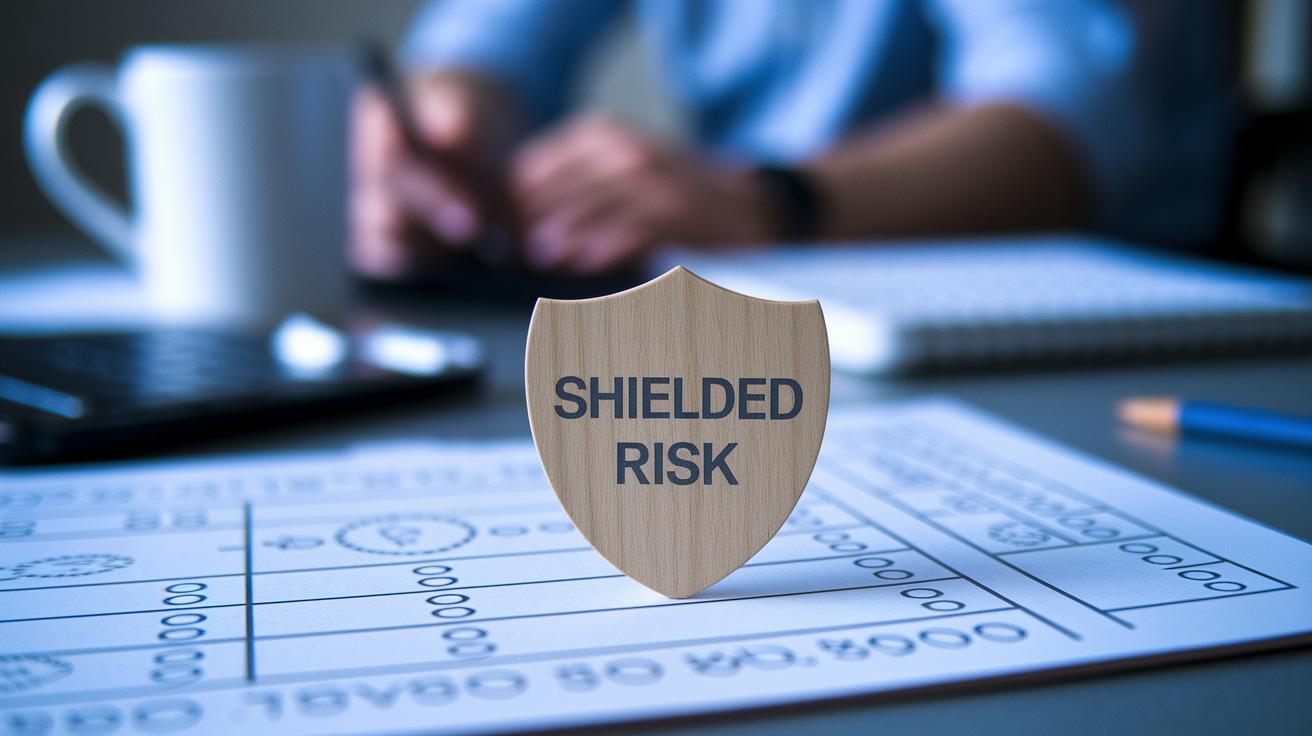
In this stage, you build a smart plan to handle each risk, whether by avoiding it, transferring it, reducing it, or accepting it. Think of it as setting up a custom shield that balances potential rewards with the level of risk you’re comfortable with. Sometimes you might steer clear of a risky project altogether, while other times you pass the risk on to an insurance provider. For example, if a manufacturing step often faces equipment failure, you can redesign the process to lower that chance.
Next, you line up each control measure with its specific risk type, whether it’s strategic, operational, or safety-related. Picture it as using a simple checklist, where every risk has a clear, prepared response. For instance, you could install safety barriers and train your team for onsite hazards, or you might shift financial risks through insurance. A fun fact to note: a top firm once avoided a huge loss simply by realigning its control measures against a common hazard, saving millions in downtime costs.
It’s also important to set clear timelines and assign who does what. Everyone on the team should know their role and when they need to act. Here are some key steps to follow:
| Step | Action |
|---|---|
| 1 | Review your risk tolerance and potential gains. |
| 2 | Pick a strategy: avoid, transfer, reduce, or accept the risk. |
| 3 | Assign each risk to a specific control measure. |
| 4 | Set deadlines and name the responsible team members. |
By planning out every control clearly, you ensure that each risk is managed in a way that fits perfectly into your overall strategy. This careful setup not only helps things run smoothly when it’s time to act, but it also makes your operations more resilient and gives your business a competitive edge.
Risk Management Lifecycle: Implementation and Monitoring of Controls

During the implementation phase, we kick things off with a well-outlined project plan, clear communication, and hands-on training. Begin with a simple step, a detailed schedule paired with a breakdown of roles so everyone knows their tasks. This approach fits right in with our ongoing monitoring practices.
Next, we keep a close eye on both sudden events, like an unexpected weather change, and slower issues, such as theft. We now add regular reviews of operational vulnerabilities to our checks. Think of it like using a dashboard, key risk indicators, and periodic audits to keep the controls working well.
If new info shows a weak spot or conditions start to change, we make adjustments as soon as possible. We review things step by step, ensuring our controls remain sharp and ready to adapt.
Risk Management Lifecycle: Tools, Frameworks, and Best Practices

Organizations mix third-party tools with global standards to keep risks in check. They use mass notification systems and smart tech like artificial intelligence (a way for computers to learn and make decisions) to see issues as they happen. Plus, threat-intelligence platforms offer clear, ready-to-use risk alerts at every stage.
Many teams pick frameworks that stick to familiar standards like ISO/IEC 27001 and ISO/IEC 42001. These guidelines help structure risk plans and keep everyone on the same page. In project settings, you can really see these benefits during risk assessments, such as in this project management risk assessment. This mix of guidelines and digital tools lays a sturdy foundation for managing risk.
Scenario simulation workshops and tabletop exercises let teams practice their moves before a real incident strikes. They test out response plans and reveal any weak spots in the strategy. In addition, centralized dashboards present a live view of risk numbers and control statuses, making it easier to monitor and tweak plans as new risks pop up.
Using these best practices means taking a proactive approach to risk management. It helps organizations stay nimble and secure, even when new challenges come along.
Final Words
In the action, this post outlined every step of the risk management lifecycle, from pinpointing potential risks and analyzing threats to planning, implementing, and monitoring effective controls.
The guide broke down methods to strengthen operational safety and keep risks in check using practical tools and real-world examples.
The steps offer a clear path to smart investing and personal finance management. Embrace these insights and step forward with confidence for a secure financial future.
FAQ
What are the 5 stages of the risk management lifecycle?
The 5 stages of the risk management lifecycle include identifying risks, analyzing them, planning mitigation measures, implementing controls, and reviewing progress to adjust strategies as needed.
What are the differences in risk management steps and phases?
Various frameworks list risk management steps differently. Common elements are identifying risks, assessing their impact, planning responses, implementing controls, and monitoring outcomes—with some adding context setting or risk communication stages.
How does risk management build business resilience?
Risk management builds resilience by helping organizations prepare for hazards, reduce operational disruptions, and maintain steady operations, which in turn reassures vendors, clients, and employees alike.
