Have you ever stopped to think about hidden dangers at work? A simple risk check can help you spot problems before they grow. You look for hazards like a wet, slippery floor, heavy items that could fall, or chemicals that might hurt someone. This step-by-step check shows you who could be in danger and how serious the risk is.
Then, you write down your plan. Keeping a clear list makes it easy to boost workplace safety for everyone. It not only meets the legal rules but also creates a safer space where you and your colleagues can feel secure.
Step-by-Step Guide to Risk Assessment Steps
Risk assessment is a simple way to spot and manage potential dangers at work. It helps you identify hazards, check how serious they are, and decide on the best actions to keep everyone safe. This approach not only meets legal rules but also makes the workplace a better and more secure place. For more details, have a look at the "what is risk assessment" page at Dealerserve.
- First, look around for dangers. Check for things like harmful chemicals, slippery spills, or heavy items that could catch fire. These hazards might hurt employees, damage equipment, or impact the environment.
- Next, think about who could get hurt. Consider workers, visitors, and even nearby members of the public, especially if your work spills over into shared spaces.
- Then, figure out how likely it is for each hazard to happen and how bad the impact might be. This helps you decide which issues need fixing right away.
- After that, write everything down. List the hazards, who might be affected, and what steps you plan to take to stop problems. If you have five or more employees, this record is required by law.
- Finally, review your findings often. As your work or equipment changes, make sure to check and update your risk plans so they stay effective.
Taking these steps gives you a clear and hands-on plan to manage risks. By spotting hazards, judging their danger, documenting them, and reviewing them regularly, you create a safer, more reliable workplace for everyone.
Preparing and Scoping Risk Assessment Steps

Before you dive into your risk assessment, it’s important to set clear boundaries. Start by figuring out which parts of your operations and workspaces need a closer look. This way, you’re focusing on all the major hazards right from the start.
Next, gather the right team and resources. Bring together people from safety, management, and operations so that you get a well-rounded view. Working as a team makes it easier to spot and evaluate risks throughout the workplace.
Also, make sure you meet all legal and industry rules during your planning. Verify that your assessment sticks to the current laws and any specific guidelines for your field. Write down your steps as you go, it can really help if you ever need to show evidence of compliance.
Lastly, put together a timeline with key checkpoints before you start looking for hazards. Setting clear milestones keeps every phase on track and helps your risk assessment stay both organized and flexible.
Step 1 of Risk Assessment Steps: Identifying Hazards
Start by taking a careful look at your workplace to keep it safe. Imagine it like giving your facility a checkup, walking through every corner to spot any risky areas before issues turn into big problems. For example, notice where chemicals are kept, where spills might occur, or where there’s a chance of fire.
- Toxic substances that might be dangerous if spilled or handled poorly
- Wet or uneven floors that could cause slips and trips
- Faulty wiring or overloaded circuits that pose electrical risks
- Heavy items that make lifting dangerous
- Materials that may easily catch fire
Once you find any hazards, jot down every detail in a hazard register. This log is like your safety diary where you record the location, cause, and what you did to fix each issue. It helps you keep track of changes and manage risks as they come up over time.
Step 2 of Risk Assessment Steps: Determining Who Might Be Harmed

When we talk about figuring out who could be harmed, it means looking at more than just your own team. It’s about spotting everyone who might come in contact with a risk. In a risk review, thinking about “who?” means considering not only the people who work on-site but also anyone who might be near a danger, even indirectly. You might ask, “Who works here, who visits, and who lives or works close by?” This simple question helps us see all the roles and places that might be affected, making sure no one is left out of the safety plan.
For instance, think about regular staff, contractors, and temporary workers who all perform different tasks and face different risks. And then there are visitors and locals, especially if your work area touches public spaces. Some workers might face a risk more often, while someone just stopping by may only see it once in a while. Because everyone’s exposure is a little different, it’s important to set up safety steps that fit each group’s needs.
Step 3 of Risk Assessment Steps: Evaluating and Scoring Risks
When you're looking at risks, start by thinking about how likely it is for something to happen and how big a deal it could be if it does. You consider if a problem is a rare event or something that happens often, and then picture what might occur if things go wrong. It’s a bit like a coin toss, each flip might bring a surprising outcome when you least expect it. This way, even if a hazard doesn't happen frequently, you still give it the attention it needs if it has the potential to cause serious issues. At the same time, you can keep an eye on risks that might change slowly over time without causing an immediate threat.
| Likelihood | Severity | Risk Rating | Precaution |
|---|---|---|---|
| Low | Minor | 1 | Monitor regularly |
| Medium | Moderate | 2 | Establish safeguards |
| High | Major | 3 | Implement controls |
| Very High | Critical | 4 | Take immediate action |
Using these ratings means directing your resources toward the biggest risks first. This clear method helps you decide where to focus both your time and money, making sure you keep your work environment as safe as possible.
Step 4 of Risk Assessment Steps: Recording Findings
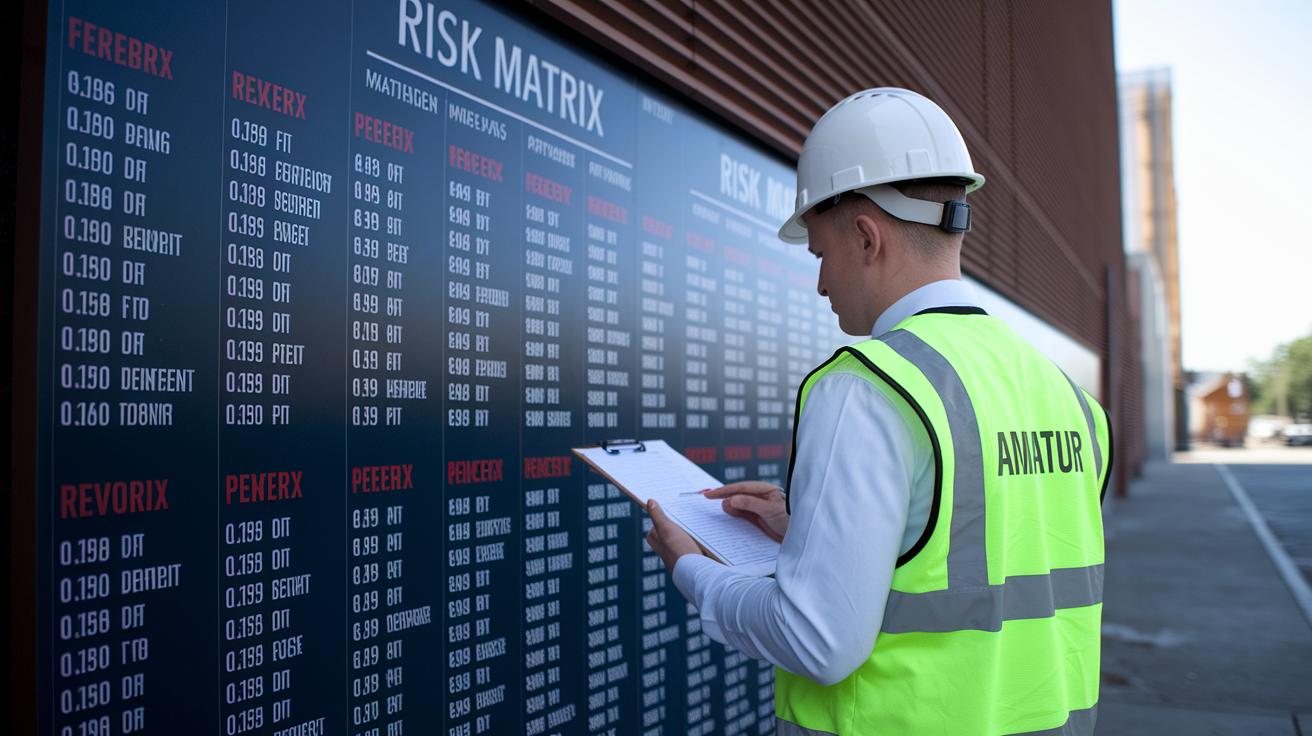
Recording findings is a legal must for any business with five or more employees. You need to note every hazard, list who might be affected, and explain how you plan to fix it. For example, you could write: "Record hazard: slippery floor near the door; Affected: all staff; Control: installed anti-slip mats" to show you're following the rules.
It helps to stick to one method for keeping track. You might use a checklist or matrix to list the hazard and its control steps, a digital log to update in real time, or a pre-formatted template to keep things consistent.
For instance, you might type into your digital log: "Hazard: wet spill; Affected: customers and employees; Control: immediate clean-up and warning sign placed." This way, everyone can understand the steps taken.
Keep these records in one secure spot to make audits easy and stress-free. Regular reviews ensure any new risks get logged and you always have clear evidence of your safety measures. For example, during a quarterly review, updated logs might highlight new risks and detail the actions taken.
Step 5 of Risk Assessment Steps: Reviewing and Updating Controls
Regular reviews keep your safety plan up to date as work conditions and technology change. They help you catch problems early and check if your hazard controls really work. For example, a safety officer might keep an eye on incident numbers every week, and one routine review once spotted a pattern in near-misses before a small mistake became a big issue. Using simple numbers and side-by-side comparisons makes it clear what changes are needed.
Triggers to re-assess include changes in work processes, shifts in staff roles, or updated safety rules. A smart approach is to set clear check points, like before major project milestones or on a fixed calendar schedule, to see if your controls are still effective. This regular, systematic check helps ensure that your hazard controls match the risks and realities of your work environment.
Best Practices and Tools for Risk Assessment Steps

Picking the right risk assessment software is a clever step to simplify how you review your safety measures. Many companies choose digital tools that come with ready-made templates and easy-to-navigate dashboards. For instance, you can start with free templates to list hazards, risks, and control measures while keeping your records tidy. Plus, a one-month free trial can help you decide if the platform fits your needs before you fully commit.
Another smart move is to choose software that includes features for scheduling inspections and setting reminders. This makes regular check-ups much easier to manage. When you combine affordable templates with well-designed software, you cut down on mistakes and save time, making your risk assessments smoother overall.
Sticking with industry standards like SSIP, PAS 91, and the Common Assessment Standard makes your risk management plan even stronger. You can also integrate permit-to-work systems into these tools. This ensures that all high-risk tasks get the proper approvals and are carried out safely.
Investing in training resources and tools for continuous improvement is just as important. Regular updates to safety documents and training plans boost your team’s confidence and keep everyone informed about the latest practices and rule changes. This ongoing learning is key to keeping your risk assessments efficient and in line with regulations.
Final Words
in the action our guide walked through a clear process, from spotting hazards to checking who is at risk, scoring potential dangers, recording findings, and keeping assessments current. We split the steps into manageable parts to help you understand risk assessment steps easily. Following this method helps build confidence in your financial management while protecting what matters most. Every step brings you closer to smart investing and a secure financial future. It feels good to know you have a practical plan in hand.
FAQ
What are the 5 main steps of risk assessment?
The risk assessment process involves first identifying hazards, then determining who might be harmed, evaluating and scoring risks, recording significant findings, and finally reviewing and updating controls.
How do PDFs and HSE guidelines outline the 5-step risk assessment process?
These guides explain the risk assessment steps by detailing how to spot hazards, assess who may be affected, assign risk ratings, document findings, and regularly review safety measures.
What is step 3 of a risk assessment?
The risk assessment process step 3 focuses on evaluating and scoring risks by examining how likely a hazard is to occur and the potential severity of its impact.
What is step 5 of the 5-step risk assessment process?
The risk assessment process step 5 requires reviewing and updating the assessment regularly to reflect changes in work activities, staff, materials, or regulations for ongoing safety.
Can you provide a risk assessment example?
A risk assessment example might involve inspecting a workplace for hazards like wet floors, determining which workers or visitors could be affected, scoring the risks, documenting your findings, and then updating protocols as needed.
What are the 4 elements or steps of risk assessment in a simplified model?
A simplified risk assessment model may combine steps into four key parts: identifying hazards, evaluating risks, applying control measures, and reviewing the process to maintain safety.
