Have you ever thought about how your money could still shine even when the market gets shaky? For generations, people have trusted precious metals for both safety and the opportunity to build wealth.
Today, we’re talking about investments like gold, silver, ETFs (that is, funds you can trade like stocks), and mining stocks. These options can act like a sturdy anchor when times are rough, while also opening up chances for growth.
Many experts suggest keeping a small amount of these assets in your portfolio, believing that it can help keep things steady and introduce fresh possibilities for your financial future.
Core Precious Metals Investment Opportunities Explained

Investors like precious metals because they offer both a steady base and a chance for growth. Gold is popular since it is well-known around the world and stays liquid. Silver, on the other hand, has a twofold role, it holds value like gold and also gets used in industries, especially with solar technology. Imagine keeping a little bit of gold in your portfolio as a steady anchor during stormy market times.
Today, you don’t even have to hold physical metal to benefit. You can tap into the market using Exchange-Traded Funds like GLD, IAU, or SGOL. And if you’re looking for a more budget-friendly option, mining equities might be the way to go.
Here are some common ways to invest:
- Physical bullion
- ETFs
- Mining equities
- Digital gold platforms
- Numismatic coins
Many experts suggest that a balanced approach means keeping precious metals at about 5% to 15% of your total investments. This mix can help lessen overall ups and downs while letting you enjoy the benefits of precious metals. Whether you choose the tangible feel of metal coins or the ease of ETFs and mining stocks, diversifying your investments can help smooth your path towards steady returns despite market uncertainties.
Comparing Physical and Digital Precious Metals Investment Opportunities
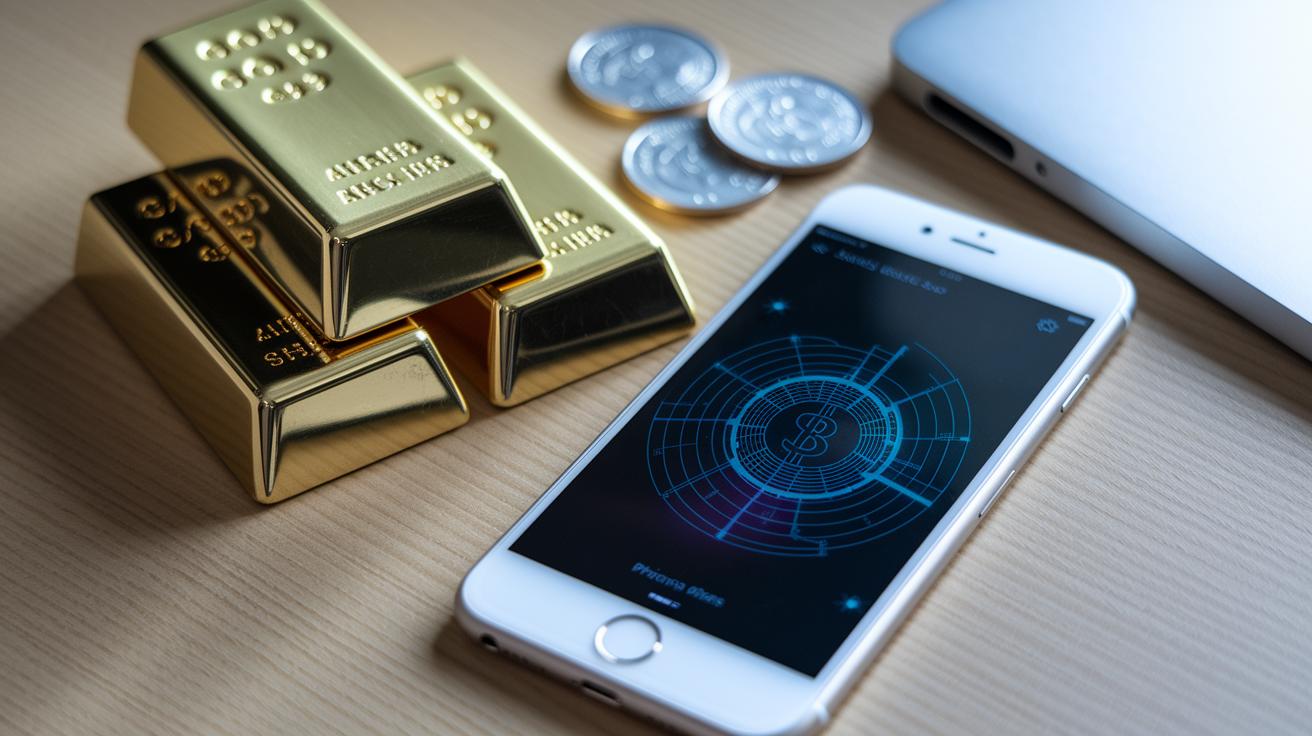
Physical bullion, like gold bars and silver coins, offers a time-tested way to invest. Gold bars can come in small sizes starting at 1 gram, and silver coins usually start at 1 ounce. When you hold physical bullion, you're holding a real asset that many people trust due to its long history. But keep in mind, you need to store these items safely and insure them, which can add extra steps and costs. This method works best if you value a tangible asset with a strong heritage.
On the other hand, digital options bring a modern twist to investing. Digital bullion trading means you don’t have to worry about physical storage, which makes things a lot simpler. However, you do need to watch out for risks like counterparty issues and platform fees. ETFs mix both worlds well. They trade like regular stocks, offer tight price differences between buying and selling, and track their net value every day. This way, you get a slice of the metals market without the headaches of storage.
| Method | Pros | Cons |
|---|---|---|
| Physical Bullion | Real asset, globally recognized, proven stability | Needs safe storage and insurance, extra costs |
| ETF Holdings | Easy to trade, small price gaps, daily value tracking | No physical possession, management fees apply |
| Digital Tokens | Simple storage, quick transactions, accessible online | Counterparty risks, platform fee charges |
In the end, choosing between these options comes down to your priorities. Do you prefer holding a real, touchable asset with a sense of security, or do you lean toward a fast and convenient digital experience? Each route has its benefits, so think about what matters most for you when making your decision.
Precious Metals Investment Opportunities: Radiant Outlook
Gold Opportunities: Liquidity, Certification, Coin vs Bar Trade-offs
Gold has always been a go-to choice for investors everywhere. Whether you’re looking at coins or bars, each option has its own benefits. Coins typically come certified by trusted grading services, which gives you extra peace of mind about their authenticity. Bars, however, let you pick a size that fits your budget, from tiny 1-gram pieces to whole kilogram bars. Imagine choosing a small, certified gold coin as a secure way to store your value, it offers both ease of trading and steady market demand.
Silver Opportunities: Affordability, Industrial Cycle Sensitivity
Silver is popular because it’s more affordable while still standing strong during economic ups and downs. Many investors start with 1-ounce silver bars or rounds that serve as a reliable store of value. Plus, silver plays a key role in industrial sectors like solar energy. Picture buying a modest silver round that not only cushions you against market shifts but also taps into the growing renewable energy trend. Since silver’s price often depends on industrial use, it naturally follows broader economic patterns.
Platinum and Palladium Opportunities: Industrial Use Cases and Supply Factors
Platinum and palladium open doors to unique opportunities thanks to their major roles in industries. Platinum is mostly used in car catalytic converters, so its value tends to follow trends in vehicle production. Palladium, with nearly 80% used for the same purpose, offers a great way to diversify away from just gold or silver. Adding these metals can help smooth out your overall portfolio by dipping into sectors like automotive manufacturing and supply changes. This diverse approach can balance risk while taking advantage of shifts in the market.
Risk Management and Diversification with Precious Metals Investment Opportunities
Investing in precious metals can help smooth out your portfolio. Experts have noticed that keeping metals at about 5% to 15% of your investments can lessen the impact during tough times. For example, one investor kept 10% in physical bullion and ETFs, and when stocks took a hit, their portfolio fared much better.
Checking out past metals market trends can really help you figure out the right mix for your needs. An expert model shows that adding physical metals, ETFs, and mining stocks can create a safety net during sudden market drops. In truth, some investors even tweak their mix when the economy slows down to keep returns steady and lessen uncertainty.
- Put money in gold, silver, platinum, and palladium.
- Mix ETFs with physical holdings.
- Include mining stocks for an extra boost.
- Adjust your mix as the economy shifts.
- Review your portfolio every quarter.
- Rebalance your investments annually.
Step-by-Step Setup for Precious Metals Investment Opportunities
Getting started in the precious metals market can be as simple as planning your weekly grocery shopping. Here's a six-step guide to help you build a clear and steady approach to your investment.
-
Define your objective
Start by figuring out what you want to achieve. Maybe you're looking to protect your money during uncertain times or hedge against rising prices. Knowing your goal makes your next moves much clearer. -
Choose your allocation
Decide how much of your overall portfolio you want to commit to precious metals. Many experts suggest anywhere from 5% to 15% to balance growth with safety without overwhelming your other investments. -
Select your investment vehicle
Pick an asset type that fits your comfort level and objectives. You might choose bullion coins, bars, ETFs (a type of investment that works like a stock), or even mining stocks. Each option offers something different. For instance, coins give you that tangible, hands-on feel, while ETFs allow you to trade just like you would with regular stocks. -
Buy from accredited dealers
Make sure you purchase only from trusted, accredited dealers. Check for verified hallmarks and proper purity certificates, like double-checking a recipe before you cook. This habit ensures that you’re getting the real, high-quality metal. -
Arrange insured storage
Once you’ve bought your metals, keep them safe. Whether you choose a home safe, a bank vault, or professional storage, having insured protection means your investment is secured against unexpected risks. -
Keep all purchase and insurance records
Hold on to every receipt and insurance document. These records come in handy for tax matters and future checks, making sure your investment journey remains smooth and hassle-free.
Analyzing Market Trends and Forecast Models for Precious Metals Investment Opportunities

When you look at how bullion prices move, price charts tell a pretty clear story. They show how lower inflation, rising government debt, and a steady economic outlook for 2025 mix together. Gold and silver prices often respond to changes like central bank rate decisions and shifts in global risks. For example, a moving-average crossover might hint that the market is gearing up for a change. And if you check the CFTC data, it gives you a friendly peek at the overall mood among investors. It’s like spotting the first signs of spring after a long winter.
Forecast models help break things down into simpler steps. Analysts often use big-picture economic data to see how global conditions might move metal prices. Think of it like a weather report for the market, if central banks tweak their rates, that might stir up a storm or bring in calm, clear skies for bullion. This approach ties everyday economic events to the way metal prices behave. Plus, modern digital tools offer live tracking so you can keep a close eye on how gold and silver prices shift moment to moment.
Taking a hands-on approach with charting platforms lets you mix direct technical signals with the basics of the economy. Whether you’re noting a small shift in a moving average or reacting to an unexpected global event, these tools work like checkpoints on your investment journey. They help you decide when to adjust your precious metals holdings while steering clear of market surprises.
Selecting Storage, Insurance and Grading for Precious Metals Investment Opportunities
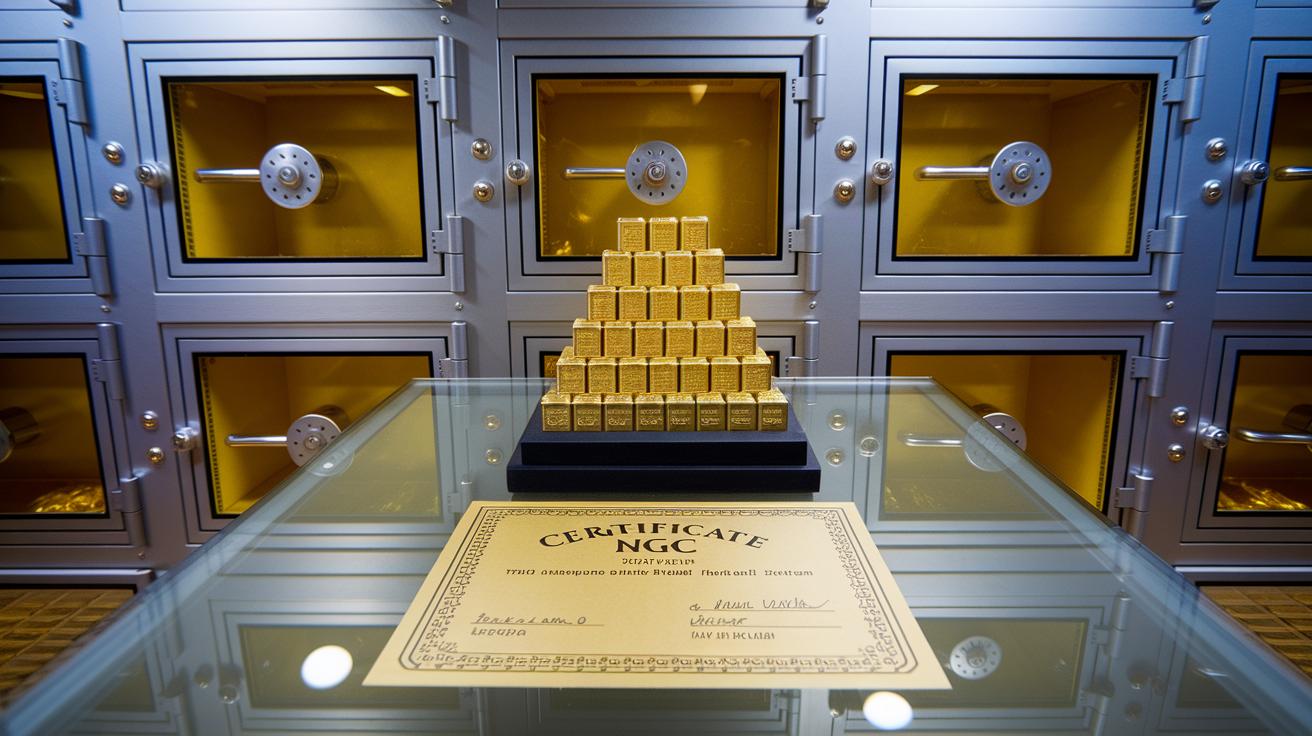
When you invest in physical gold or silver, keeping your bullion safe and well-insured is just as important as picking the right metal. Home insurance might only cover about 70% of your bullion's value, so you may need extra riders to make sure you’re fully covered. You’ve got different vault options too. Segregated storage keeps your metals separate, giving you more control, while pooled storage can be easier on your wallet even if it’s less personal. Annual fees usually range between 0.5% and 1.2%, so it’s smart to shop around.
Getting your metals graded by trusted services like PCGS or NGC confirms their authenticity and condition, which can make them easier to sell. Updated grading documentation boosts buyers’ confidence and might even help you secure a better price on the market. It’s a good idea to review your storage setup regularly, especially as market conditions change. Take a moment now and then to check your insurer’s coverage, security measures, and fee structure to keep your investment safe over time.
- Insurer financial strength
- Vault location and security rating
- Segregated vs pooled storage
- Grading agency reputation
- Ongoing storage and insurance fees
Final Words
In the action, we explored a variety of precious metals investment opportunities, breaking down everything from the basics of physical bullion and ETFs to digital options and mining stocks. We looked at each metal’s unique traits and offered a step-by-step guide to setting up a balanced portfolio.
We've also covered risk management and smart storage choices. This overview shows that with the right mix and approach, smart investing in precious metals investment opportunities can bolster your financial confidence and set you on a secure, positive path forward.
FAQ
Frequently Asked Questions
Are precious metals a good investment or do they carry significant risks?
The discussion around precious metals as an investment highlights benefits like inflation protection and portfolio stability while also pointing out challenges such as storage fees and market volatility.
What are the best precious metals opportunities for investors now and in 2025?
The best opportunities depend on market trends and personal goals. Gold is often favored for its liquidity and stability, while silver may appeal due to its industrial use. Trends guide timing and selection.
How do I invest in precious metals, especially using ETFs as a beginner?
The approach to investing in precious metals involves choosing a vehicle that fits your needs. ETFs make it easier to trade without dealing with storage, and they complement options like physical coins or mining stocks.
What would have happened if I invested $1000 in gold 10 years ago?
The example of investing $1000 in gold a decade ago shows that potential gains could have been realized, though actual returns depend on market conditions and the timing of your entry.
