Have you ever thought that a tiny security mistake might open the door to a big problem? A physical security check carefully examines every lock, alarm, and camera on your property. It's a bit like testing the lock on your front door, sometimes a small fix can make all the difference. This hands-on review helps spot little gaps before they grow into real issues, making your facility safer and better prepared to face any risks.
Physical Security Assessment Energizes Facility Safety
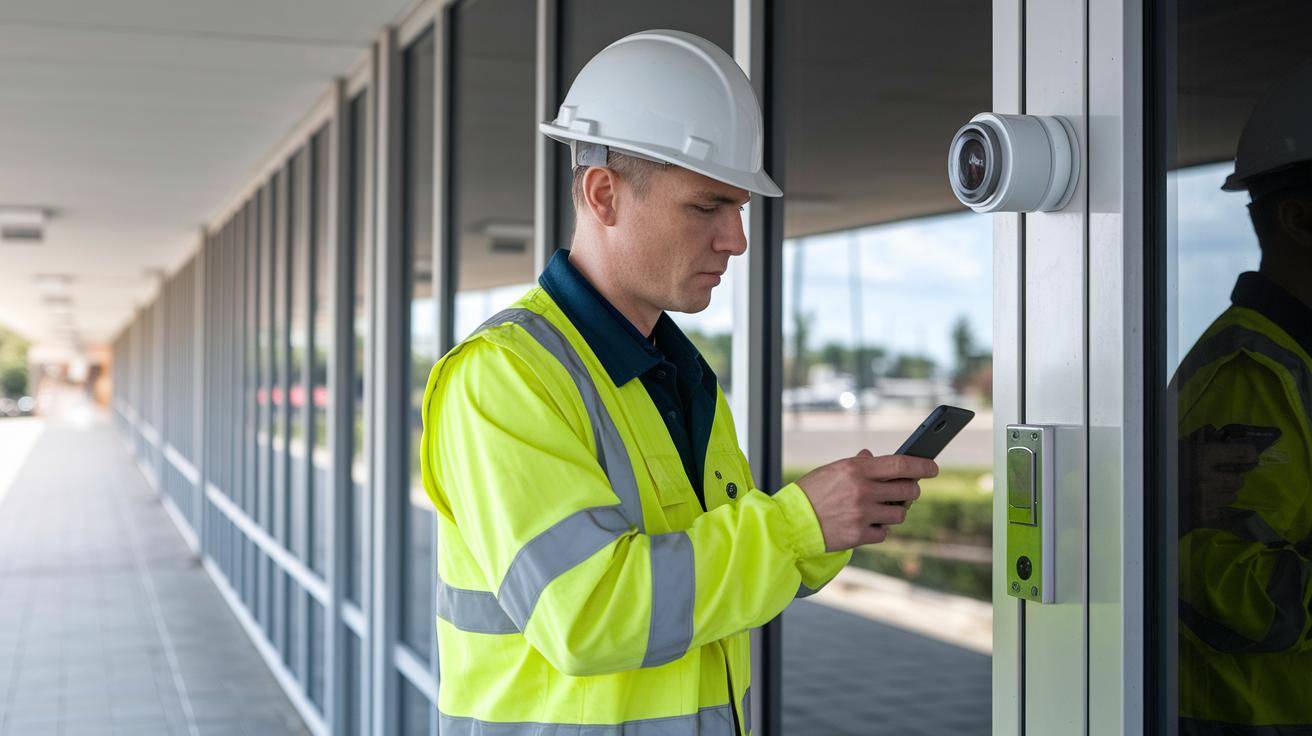
Physical security assessments look at the everyday things that keep a building or campus safe. They check that locks, cameras, alarms, and access systems are all working as they should. Regular checks help us spot any gaps in safety, like when an old lock on a storage door calls for a quick fix before any real trouble starts.
Unlike digital reviews that focus on firewalls and internet security, these assessments are all about on-site inspections. The team walks through the facility to ensure every physical barrier, from gates to windows and alarms, is in good shape. It’s a lot like checking the locks on your home; when everything fits perfectly, you feel safe.
During the evaluation, every element is checked step by step. The crew tests each door, window, and alarm, and even flips through the security manuals to make sure all policies are followed. Little details, like a camera that misses a key area, become important clues in spotting weak spots. This careful work builds a stronger, safer space for everyone working or living there.
Pre-Assessment Planning and Scoping in Physical Security Assessment

Before you head out to a site, make sure you have a clear plan in place. For instance, if you need to check six different locations or several buildings spread out over 50 acres, knowing what you’re looking for is key. Start by gathering blueprints, maps, and any documents that lay out the site. Picture it like assembling a puzzle where each piece helps reveal the complete layout of your facility.
Next, put together a team that knows what they're doing. It might be your own staff or trusted external experts, but having the right mix makes all the difference. A team with diverse skills can catch hidden issues and offer fresh insights during the safety inspection.
Don't forget to run a hazard identification survey. This survey is your way to list any potential risks before you begin on-site work. You might notice, for example, areas with poor lighting or busy traffic spots that could be hazardous. Organizing this information is a vital part of your overall plan. For more detailed steps, check out how to conduct a risk assessment.
Following these steps will lead to a focused, efficient evaluation that strengthens your facility’s safety and sets a sturdy foundation for future security measures.
Conducting a Comprehensive Site Audit for Physical Security Assessment

Start by taking a good look at your facility's layout. Walk around and see how the building is arranged. Notice where most people gather or where visitors come in and leave. It’s a bit like studying a familiar map, spot where the most action happens. Check out the blueprints or site maps to make sure you know exactly where the key barriers and doors are located.
Next, look at the outside perimeter. Give the barriers a close look and test how they would hold up under a heavy impact. Think of it like checking a bridge before letting cars drive over it to be sure it’s safe. Make sure that any gates or other physical blocks are solid and can stop any unwanted access. Imagine a gate that could stop a speeding truck; that’s the kind of strength you want.
Then, move on to the access controls. This means checking that badge readers, cameras, and alarm systems cover every risk spot. Test each piece to be sure they capture clear images and send an alert when needed, even when it gets dark or busy. It’s a bit like tuning a musical instrument; every part needs to work just right so the whole set-up performs well.
Finally, chat with the employees. Ask them if they know the security procedures and if they follow them. Their answers might show you a hidden weak spot or tell you that everything is working as it should. A simple observation, like noticing that a camera doesn’t cover a busy corridor, can make all the difference. This mix of checking the building, testing the tech, and talking to the people gives you a clear picture of how secure the site really is.
Detailed Vulnerability and Risk Analysis in Physical Security Assessment

Start by looking for spots that might go unnoticed. For example, check for blind corners along hallways or busy doorways that could let someone in without being seen. Picture a busy lobby with a hidden corner where a camera might miss a face. In these moments, that vulnerability checklist becomes your best friend.
Once you find these weak spots, give each one a score based on how often you think it might happen and how bad the outcome could be. For instance, an unlocked door near the loading area might be a bigger concern than a little-used emergency exit. This scoring helps you decide what needs fixing right away and what can wait a bit.
Next, look at areas where vehicles can get close, like parking lots or main building entrances. This is a bit like checking a safety net before a tightrope walk; if the net is strong, everyone is safer. So, test and rate the safety barriers to be sure they can handle a crash if needed.
Keep track of these findings every time you do a check. A vulnerability tracking checklist lets your team record any changes and notice patterns over time. For clarity, here’s a simple table you might use to log your issues:
| Risk Factor | Likelihood | Impact |
|---|---|---|
| Blind spot at main entrance | High | Severe |
By scoring and keeping a close eye on these risks, you can plan your fixes in a way that really boosts your facility's safety.
Developing Mitigation Strategies in a Physical Security Assessment

Start by taking a close look at the weak spots flagged during your risk scoring. Focus on what needs immediate attention. For example, if you spot areas where vehicles could crash into your building, installing crash-rated bollards is a smart move. And if certain entry points look too vulnerable, consider adding biometric access controls, kind of like putting an extra-strong lock on a door that you know is a bit flimsy.
Next, think about adding layers to your security. A mix of tough physical barriers, clear surveillance cameras, and regular patrols can work wonders together. Upgrading your gates with better features also helps. Imagine cantilever slide gates and roller gates standing side by side, forming a solid barrier against unwanted access. You can also enhance your perimeter with fences, beams, or similar barriers to seal the area off completely.
Finally, revisit your overall risk management plan and match your improvements to the most pressing issues. This layered approach means that if one measure doesn’t hold up, another is there to back it up. Regular reviews help you decide which upgrades offer the best protection and cost value. By keeping your strategy fresh and aligned with new risks, you make sure your facility stays safe as challenges change.
Checklists and Technology Tools for Physical Security Assessment

Having clear checklists makes it simple to keep track of safety details. For example, an office security checklist lets you quickly check that windows, doors, alarms, and emergency exits are all in good shape. If you're looking at commercial buildings, a safety audit checklist might remind you to check camera angles and review access logs. And a threat detection checklist is just as handy, making sure every alarm, sensor, and door works just as it should.
In 2021, natural disasters in the US caused over $280 billion in losses. That number shows how important it is to review emergency procedures. A natural disaster readiness checklist might cover backup power, escape routes, and more. It helps you ensure that nothing is missed when every second counts.
Mobile audit apps and software simplify these tasks by letting you report issues and capture data in real time. Imagine snapping a photo of a faulty sensor and immediately sharing it with your team, it’s like carrying your checklist in your pocket, wherever you go.
| Checklist Item | Status |
|---|---|
| Access Control System | Verified |
| Alarm and Sensor Functionality | Needs Attention |
These tools help keep your workflow clear and efficient, ensuring that your facility's security is both reliable and up-to-date.
Documentation, Reporting and Compliance in Physical Security Assessment

A solid security report is the building block of a safe facility. It means writing down every weakness you find, giving each one a risk rating, and offering clear steps to fix them. Think of it like painting a clear picture for decision-makers so they can quickly see what matters most. For instance, if you notice a door that is often left unlocked, note that and explain how it could affect security.
Next, it’s important to match your findings with local rules and industry standards. This is like filling out a checklist in school, where each issue lines up with a regulation. By doing this, you not only highlight the risks but also show that your report meets required guidelines.
Don’t forget to add a plan for when incidents happen. Your report should explain who to call and what actions to take immediately after an event, helping the team reduce future risks. Using headings, subheadings, and bullet points makes it easier for managers and auditors to follow along. This clear, step-by-step layout supports smart decision-making and keeps the facility safe and in full compliance over time.
Post-Assessment Actions and Continuous Improvement in Physical Security Assessment
Once you finish your security check, it's time to create a simple plan to fix the issues you found. Use what you learned to set clear goals and plan regular meetings to review your facility’s safety. These checks keep you ready for new threats and help your plan stay up-to-date.
Make a habit of reviewing and updating your plan. This means checking that every safety step is still working and that any new risks are quickly sorted out. For example, you can:
- Set a clear timeline for your regular reviews.
- Keep a list of key performance numbers to see if your security upgrades are doing their job.
- Write down any changes at your site or in procedures that might bring about new risks.
Also, bring in security experts to go over your findings. Their advice can back up your assessment and spark fresh ideas to boost your protection plan. They can even guide you through a review after any incidents, making sure that lessons learned lead to better plans in the future.
Tracking these performance numbers shows you how well your efforts are working and builds a strong habit of continuous improvement in your facility’s safety.
Final Words
In the action, we reviewed how to perform a detailed physical security assessment. We started with planning and mapping out the site and then moved to a thorough audit, checking locks, cameras, and controls. We also looked at risk analysis and discussed smart ways to address vulnerabilities with simple, clear steps. Regular checks and clear reporting were stressed to keep everything on track. By following these steps, you'll feel more confident in your approach and secure your financial future with robust physical security assessment.
FAQ
Q: What is a physical security assessment template?
A: The physical security assessment template outlines steps to examine locks, cameras, alarms, and security protocols. It offers a structured guide for reviewing and strengthening facility defenses.
Q: What does a physical security assessment checklist include?
A: The physical security assessment checklist lists key items like access control systems, camera coverage, and perimeter defenses. It ensures that all potential vulnerabilities are evaluated during the assessment.
Q: What is provided in a physical security assessment PDF?
A: The physical security assessment PDF offers a ready-to-use format with detailed steps, checklists, and guidelines. It is designed to help professionals perform systematic evaluations of facility safety.
Q: What is shown by a physical security assessment example?
A: A physical security assessment example demonstrates how to evaluate on-site security elements such as camera placements, access control, and physical barriers, highlighting areas requiring improvements.
Q: What do physical security assessment questions address?
A: The physical security assessment questions guide professionals in evaluating systems, protocols, and procedures. They help identify vulnerabilities and assess the effectiveness of current physical security measures.
Q: What services do physical security assessment companies offer?
A: Physical security assessment companies perform on-site evaluations and produce comprehensive reports. They focus on identifying risks and recommending practical measures to improve facility protection.
Q: What is involved in a CISA physical security assessment?
A: The CISA physical security assessment focuses on non-digital assets, such as access controls and physical vulnerabilities. It follows strict guidelines to ensure compliance and overall facility safety.
Q: What does the ASIS physical security assessment checklist cover?
A: The ASIS physical security assessment checklist provides industry-standard criteria for verifying control measures like locks, alarms, and surveillance systems. It supports structured evaluations to boost facility safety.
Q: What are the five D’s of physical security?
A: The five D’s of physical security include deterrence, detection, delay, defense, and de-escalation. They form a framework to guide effective measures for protecting and maintaining secure facilities.
Q: How do you write a physical security assessment report?
A: Writing a physical security assessment report involves detailing findings, risk ratings, and improvement recommendations. A clear structure is used to communicate vulnerabilities and support decision-making for better facility protection.
Q: What are the four principles of physical security?
A: The four principles of physical security are deterrence, detection, delay, and response. These core ideas provide a foundation for designing and implementing effective safety measures in any facility.
Q: How much does a physical security assessment cost?
A: The cost of a physical security assessment depends on factors such as facility size, assessment scope, and required expertise. Custom quotes are usually provided to match specific security needs and risk profiles.
