Ever wonder if your account is really safe?
Imagine your secure sign-in like a strong safe that only opens when you enter the right code. Extra checks, like strong passwords and trusted devices, work together to keep out unwanted access.
It’s a bit like locking up your favorite secrets in a secure box. These simple steps help keep your personal data safe and sound.
Next time you log in, remember: a few small actions make a big difference in protecting your digital life.
my account security: Feel Safe and Sound
Secure sign-in is all about proving you’re really you without exposing your info to unwanted eyes. It adds extra steps to a simple username and password login so that bad guys have a tougher time sneaking in. Think of it like using a combination safe instead of just a regular key. Fun fact: When banks first started using secure sign-ins, unauthorized access dropped by over 70%!
A typical secure sign-in uses three key things: your username, a strong password that mixes letters, numbers, and symbols, and device recognition that checks if your gadget has been approved before.
Many systems also throw in extra safety nets. They might restrict sign-ins to certain trusted locations or slow down the process if there are too many quick tries. These measures work like a shield against automated attacks, giving your account that extra layer of protection.
You can keep your sign-in process in check with a simple three-step plan. First, refresh your login details by creating a password that’s both complex and easy for you to remember. Next, confirm each new device with a check or an extra note to yourself, only let the gadgets you trust connect to your account. Finally, set up session timeouts that automatically log you off when you haven’t been active for a while. For instance, if you’re sharing a computer, having a session timeout can be a lifesaver, adding another hurdle for anyone trying to sneak in.
Following these steps will help keep your account secure and ensure your personal data stays safe every time you log in.
Password Management Best Practices for My Account Security
Using easy or repeated passwords puts your account at risk. If one website gets hacked because of a weak password, it can lead to problems on other sites too. It’s like having a flimsy lock on your front door, one break-in and all your belongings could be in danger.
A strong password is like a secret recipe: it should be unique to you yet hard for anyone else to guess. Try mixing letters, numbers, and symbols in a pattern you can remember. This way, you create a barrier that's tough for hackers to crack.
- Use at least 12 characters
- Include uppercase, lowercase, numbers, and symbols
- Avoid common words or personal information
- Use a password strength checker
- Never reuse the same password across accounts
- Change your passwords at least every 90 days
- Keep them safe in a reliable password manager
Regularly updating your passwords is like giving your digital locks a fresh set of keys. Changing them often helps reduce the chances of a leak, and a little reminder now and then can help jog your memory without spilling too many secrets. When you check in on your credentials and update them as needed, you're building a strong, secure defense. This simple routine helps keep your online world safe and gives you extra peace of mind every time you log in.
Multifactor and Two-Factor Authentication Options for My Account Security
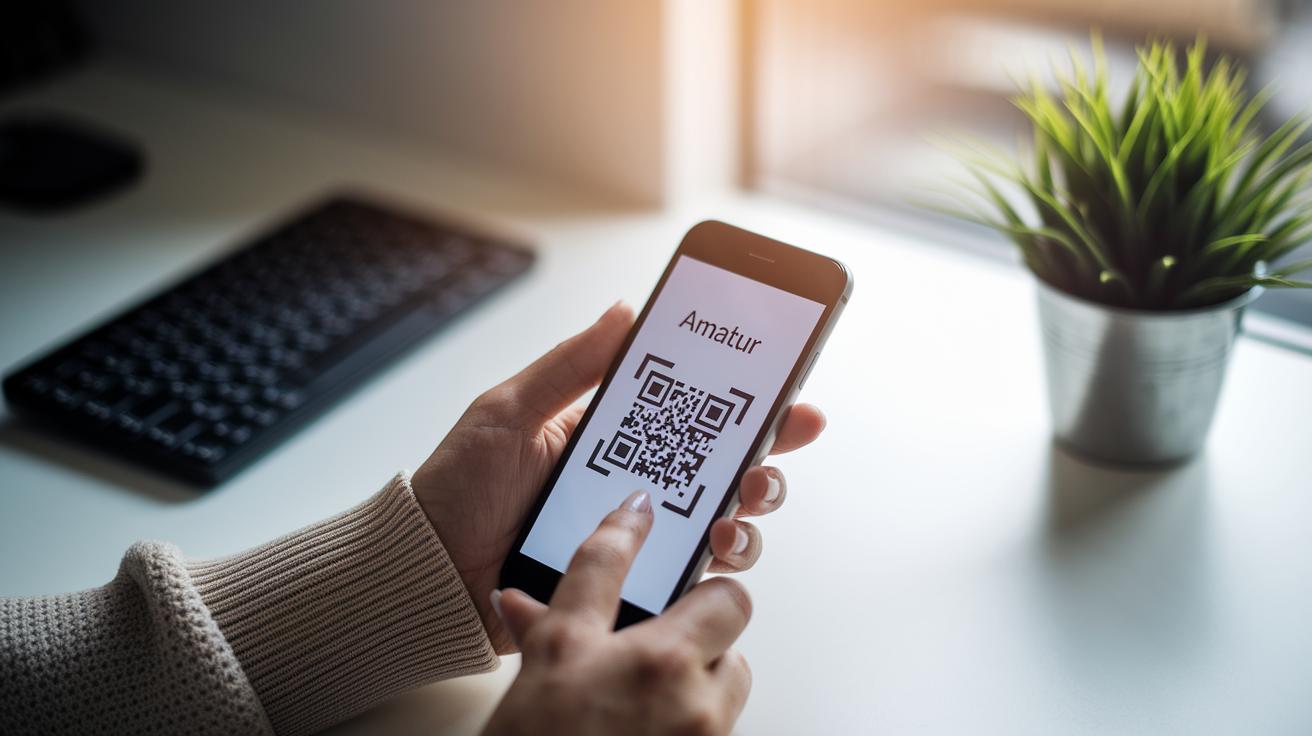
Layered authentication gives your account extra protection. Instead of relying on just a password, it uses different methods to verify your identity, like putting several locks on your door. One common approach is two-step verification. First, you enter your password, and then you input a code from another source. This extra step helps fend off fraud, much like modern credit card protections do.
Time-Based One-Time Password (TOTP) Apps
TOTP apps generate quick, ever-changing codes every 30 seconds. To start, simply download the app on your phone, scan the provided QR code, and it syncs with your account. Imagine seeing a message every half minute that says, "Your secure code is 538942." It keeps the login process fast and secure.
SMS-Based Verification Codes
With SMS-based verification, a one-time PIN is sent directly to your mobile device. You begin by linking your phone number to your account and confirming it through a text message. Although these codes usually arrive quickly, there can sometimes be delays or risks like SIM swap attacks. Picture receiving a text that reads, "Your code is 719450," just when you need it to log in.
Hardware Tokens
Hardware tokens offer a physical way to secure your account. They might come as USB sticks or NFC devices, which you plug into your computer or tap on your phone. These tokens work offline and are very portable, adding a solid extra layer of security to your setup.
| Method | Setup Steps | Security Level |
|---|---|---|
| TOTP Apps | Download the app, scan the QR code, and use time-based codes | High |
| SMS Codes | Register your phone number and verify with a text message | Medium |
| Hardware Tokens | Plug in or tap the device and register your token | High |
Recovery Process Guide for My Account Security
Before you get locked out, set up recovery channels ahead of time. Think of these options as your safety net that helps you quickly regain access if you lose your login details or run into any issues.
Start by adding a recovery email and your phone number in your settings. First, go to the recovery section and enter an email that you check often. You’ll get a code in your inbox, simply type it in to verify. Then, add your mobile number so you can receive text messages with verification codes. This simple step builds a strong, verified backup that keeps your account safe.
Next, look at the backup codes or one-time links your account might offer. Write these codes down and store them in a secure spot, like a trusted digital password manager or even a locked drawer at home. This way, if traditional methods aren’t available, you still have a secure way to access your account.
Before you reach out to support, always verify your identity. Confirming your details isn’t just about following rules, it protects your account and helps keep out anyone trying to sneak past your security.
Monitoring Activity for My Account Security
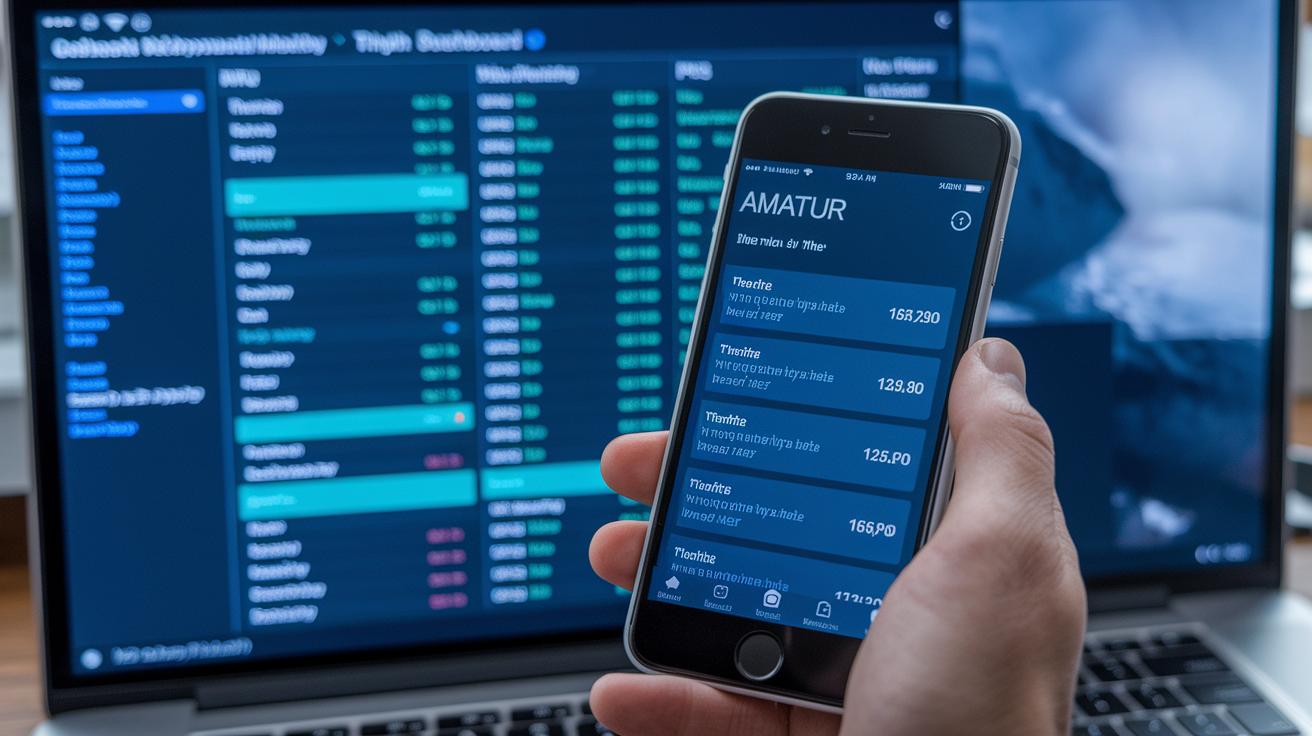
Your account dashboard gives you a clear look at what's been happening, showing who logged in and when. Many systems even send you an alert right away if something feels off.
Make a habit of checking your login times, IP addresses, and the list of devices connected to your account. Look for logins at strange hours or from places you rarely visit. For example, if you see an IP address from a far-off region or an unfamiliar device, it might be a red flag. A quick review like this can help you catch any unwanted access early, so you can take action fast.
Also, set up real-time email or SMS alerts. That way, you'll get a quick message for each new sign-in. Imagine receiving a text that says "New login detected" and telling you exactly when and where someone entered your account. This simple trick adds an extra layer of security, making sure your account stays safe.
Privacy Configuration and Data Protection in My Account Security
When you set up your account, the default privacy settings might share more information than you'd want. Connected services could show parts of your profile or routine activity. By tweaking these settings, you decide what stays private and what gets shared. It’s a quick change that leaves you in full control of your personal details.
Next, check your account preferences and head to the privacy section. Here you can adjust the settings for your profile details, activity log, and connected apps. For instance, you might set your profile so that only approved contacts see your info, turn off public activity feeds, or remove apps that no longer need access. Sometimes you'll even see a helpful link to more guidance on data protection. These simple switches work like checking the locks on your front door, small steps that really matter.
If something feels off, start by resetting your password right away. Then, review your recent login activity and check the devices connected to your account. If anything unusual pops up, report it through the breach report option and update any details that might be compromised. These steps help block unauthorized access and keep your account secure even if problems arise.
Encryption and Secure Storage for My Account Security
Encryption is like turning your data into a secret code that only the right key can unlock. When your data sits saved on a device or server, it gets scrambled so no one can read it without the proper key. And when you send data between your computer and a server, encryption makes sure it stays protected along the way.
There are lots of handy tools to guard your login details. Your browser might already save your usernames and passwords in a built-in vault that encrypts everything automatically. Or you might use a password manager, which works like a digital safe that not only stores your details securely but also fills them in for you when you need it. Plus, secure cloud services back up your files in an encrypted format, meaning you can access them anytime without worrying about leaks.
Imagine it like having a double-lock on your door. Even if someone finds one key, they still need the other to get in. Regularly changing encryption keys and using hardware security modules add extra layers of protection. These modules work like a secure key store that frequently updates your keys, so even if someone intercepts your data, they can’t use it.
In short, these measures work together to keep your information safe and sound, much like a trusted friend keeping your secrets secure.
Troubleshooting Login Issues in My Account Security
Sometimes signing in can be tricky. It might be because your password has expired, your browser’s cache is full, or your computer’s clock is off. These issues can disrupt your login, so it helps to keep an eye out for them.
Try clearing your cookies and browser cache first. Also, make sure your computer clock is showing the right time because even a small mistake there can block your access. If you’re still having trouble, try logging in on another device. For instance, if your phone logs in fine but your computer doesn’t, the issue might be with that device. You might even want to switch to a different browser to see if your main one is causing the problem.
If nothing works, it’s a good idea to contact support. Keep a note of the exact error message, your device type, and all the steps you’ve already tried. This way, they can help you quicker.
Final Words
In the action, this article broke down simple steps for protecting your digital presence. We covered secure sign-in protocols, smart password practices, layered authentication approaches, and monitoring tips. Each section offered bite-sized insights to boost your confidence and guide you through safe procedures.
Every suggestion, from updating login details to configuring recovery options, built toward stronger my account security. Keep these clear steps in mind, and feel reassured that you're heading toward a secure, stress-free financial future.
