Have you ever wondered where all your money goes these days? With prices climbing and income streams needing a boost, savvy investors are focusing on big infrastructure projects. Think about adding energy innovations, growing city areas, and digital systems that keep our daily lives running to your portfolio. These investments often come with steady returns and long-term promises that can set your money on a solid path. In this post, we'll dive into three important infrastructure sectors that could help your investments grow reliably.
Overview of Infrastructure Investment Opportunities
Global infrastructure assets are expected to grow by more than 7% each year until 2028. This shows a strong market pulse. Investors love these projects because they offer returns that protect against inflation and come with steady, contract-based cashflows. In fact, many big players plan to boost their investments by 2028, driven by a need for reliable income and exposure to assets that keep our society running.
There's a growing buzz around infrastructure investments because they add variety to portfolios and deliver predictable returns, even when the economy gets tough. These projects cover essential areas, from keeping our energy flowing to connecting us digitally, and they benefit from long-term agreements that smooth out the ups and downs. It’s a mix of steady yield and the chance for growth that attracts both cautious investors and those who want to dive into emerging, dynamic sectors.
- Energy transition
- Demographic shifts
- Urbanization
- Digitalization
- Inflation protection
Looking ahead, these trends invite us to take a closer look at specific sectors. Next up, we’ll break down the opportunities and risks in each area.
Digital Infrastructure Investment Opportunities

The digital world is growing quickly as companies and users need more data processing and storage. Mobile streaming and a rise in connected devices mean there is a big push for stronger digital systems. This growth offers investors plenty of chances to benefit from spending on data centers, cell towers, and fiber networks.
Data Centers
Experts expect global spending on data centers to top $2 trillion over the next 5 to 7 years. Half of this spending will happen in the United States and the rest overseas. For example, Blackstone's $10 billion purchase of QTS back in 2021 led to an impressive 900% growth. In the Asia-Pacific region, AirTrunk is set to expand up to 1 GW of capacity. This shows just how high the demand is for reliable data centers.
Cell Towers
Mobile data use is growing as everyone watches streaming video and uses real-time applications. Telecom companies are boosting their networks by investing in cell towers. This helps keep mobile service strong in towns and cities alike. Have you ever noticed how fast your phone loads video? That is thanks to these critical investments.
Fiber Networks
The introduction of 5G and the need for faster broadband are speeding up the spread of fiber networks. Better broadband means quicker and more stable connections for homes and businesses. It is like building a highway for data, ensuring smoother traffic now and in the future.
Investments in digital infrastructure can offer attractive returns. But investors should also keep in mind risks such as changing technology, new regulations, and market ups and downs. Like planning a family budget, it is important to balance the exciting potential with the risks involved.
Energy Infrastructure Investment Opportunities
The demand for power is rising fast, changing the whole energy scene. With more data centers, electric vehicles, and manufacturing popping up, experts think the US could see its electricity use jump by 40 to 50% in the next ten years. New policies and shifts toward more efficient, cleaner energy are setting the stage for big, solid infrastructure projects.
Renewable Projects
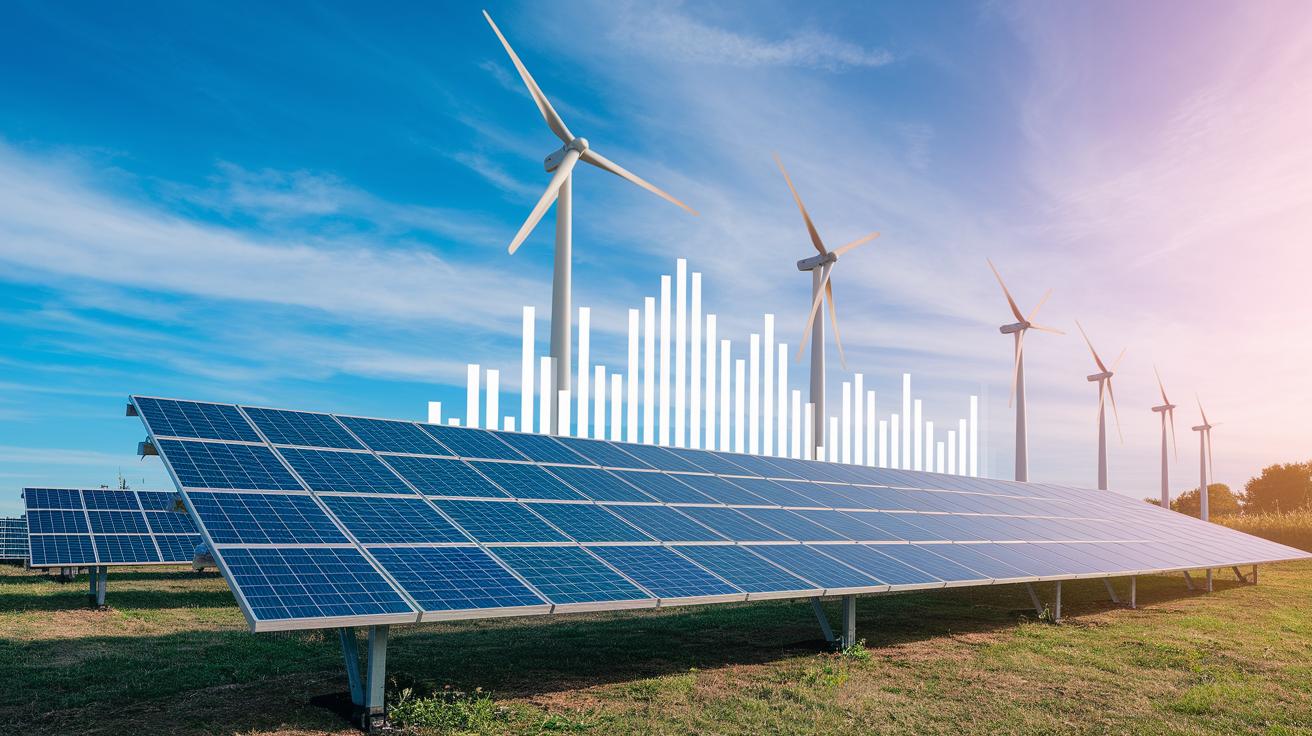
Wind farms and solar parks are getting more attention because many investors want a cleaner energy future. For example, Blackstone’s investment in Invenergy now supports about 10% of US renewable energy capacity, showing a real commitment to the energy shift. In 2023, global energy investments nearly hit $1.8 trillion, and around 30% of private infrastructure funds are pouring into renewables. This steady growth supports not just more capacity but also a vibrant energy market that’s growing by roughly 50%.
Traditional Assets
Even with the boom in renewables, traditional energy projects still matter a lot. Projects like transmission lines, pipelines, and bulk energy storage keep our current systems running strong and smooth. Think of it like following a trusted family recipe, these investments bring steady cash flow by balancing stability with the chance to grow.
Investors are mixing different financing options to back these projects. They use a combination of loans, public-private partnerships, and equity deals to aim for consistent returns. But rising interest rates and shifting markets mean a bit of caution is needed to balance expected gains with real-world challenges.
Transportation Infrastructure Investment Opportunities

Transportation assets like toll roads, airports, and ports are the backbone of global trade and travel. More movement of goods and people creates greater demand for these projects. Long-term contracts help keep the income steady by linking revenues to inflation. With trade volumes on the rise and more people heading back to air travel, these investments remain appealing even when markets change.
These projects generally span 8 to 10 years. This period blends steady cash returns with chances for your investment value to grow. It’s like having a reliable paycheck that also holds the potential for extra rewards. Investors often enjoy the consistency that well-planned transportation deals bring, making them a smart part of a balanced portfolio.
In the transportation world, you will find both public and private ownership models. Public projects tend to focus on long-term steady returns, while private ones aim to enhance value and boost overall performance. Each model offers a unique financial profile, letting investors choose the option that fits their needs and comfort level.
Regional Infrastructure Investment Opportunities
Investing in infrastructure projects in different regions gives you a solid way to diversify your investments and explore various growth opportunities. It mixes the comfort of established markets with the promise of emerging ones, so you’re not putting all your eggs in one basket.
For example, Norway’s hydropower plant financing and Italy’s biomethane upgrades have shown strong, stable returns in mature markets. Meanwhile, ventures like AirTrunk’s data center projects in the Asia-Pacific reveal fast-paced growth in newer areas. This mix lets you enjoy local policy perks and dynamic market conditions.
| Region | Key Opportunities |
|---|---|
| North America | Reliable, government-supported infrastructure projects |
| Europe | Steady returns from renewable energy ventures like Norway’s hydropower |
| Asia-Pacific | Rapid digital growth from expanding data centers |
| Australia | Modern transit systems and fast urban development |
| Africa | Upgrades in utilities and communications with emerging market potential (more info) |
| Latin America | Big opportunities in transportation and energy expansion |
Working with local experts and carrying out thorough market research can really boost your strategy. It helps you understand local rules, competitive landscapes, and service standards, all of which can lead to better returns.
At the same time, be mindful of factors like currency changes, political reforms, and project implementation hurdles. Balancing these risks with the exciting growth opportunities and steady support from established markets is key.
Risk Assessment and Regulatory Frameworks in Infrastructure Investment Opportunities

Investing in infrastructure always comes with its own set of financial and operational risks. Rising interest rates, higher capital spending, and ongoing supply-chain issues can slow down projects and drive up costs. Even a small slip in managing your supply chain might hit your returns hard, so it's smart to keep an eye on your expenses and resource flows.
Regulatory rules also play a big part in how investments perform. Clear contracts and strict oversight help create steady, inflation-linked cash flows. With policies shifting as the political climate changes, staying on top of new rules is important. It means monitoring policy updates and being ready to adjust your approach when new compliance standards come into play.
Having a strong framework for due diligence and stress testing is key to balancing these challenges. A structured risk assessment process (check it out here: https://dealerserve.com?p=) that includes regular financial reviews, scenario planning, and close coordination with stakeholders can spot potential issues early. This careful approach helps adjust strategies quickly to keep investments resilient no matter how market or regulatory conditions change.
Financing Models for Infrastructure Investment Opportunities
There's a wide range of ways to finance infrastructure projects. You can stick with core equity holdings that offer steady returns, or you might opt for value-add strategies if you're looking for a boost in asset performance. And then there are alternatives like infrastructure debt and secondaries, which let you adjust your mix of risk and reward. These methods not only give you a stable flow of cash but also let you take advantage of government incentives and subsidies. In simple terms, you can mix and match strategies to fit your financial goals, whether you prefer a cautious approach or are ready to take more risks.
Public-Private Partnerships
Public-private partnerships combine public support with private funds. They often include subsidies and incentives that help lower the initial costs and spread project risks over time. This blend makes essential projects easier to start and can boost their overall success by pooling resources and know-how.
Infrastructure Debt & Secondaries
Using infrastructure debt and engaging in secondary transactions means tapping into loan instruments that come with competitive rates. These options offer you flexibility and quick access to cash when needed. They make it easier to adjust your portfolio as market conditions change, allowing for a fast exit or a shift in investment focus.
Choosing the right financing model is a key step for anyone looking to align their financial goals with the strengths of each funding strategy. It all comes down to matching your risk comfort level with the returns you hope to see.
Case Studies of Infrastructure Investment Opportunities
These case studies shine a light on projects known for their smart strategies, size, and spread across many regions. They do more than just list numbers; they reveal how each project manages risk and creates value. Take Blackstone’s QTS deal, for example. Its management grew by 900%, showing how scaling operations well can really boost returns. It’s surprising to think that before diving into digital assets, you might not expect a 900% growth rate to transform a portfolio.
Each case also shows how blending renewable energy investments with careful planning pays off. Invenergy’s project, which makes up about 10% of the US renewable capacity, and region-specific efforts like Norway’s hydropower projects and Italy’s biomethane upgrades, all rely on a mix of smart capital decisions and meeting regulatory rules. And then there’s AirTrunk in the Asia-Pacific, where adding 1 GW of capacity clearly meets rising market needs.
| Project | Region | Outcome |
|---|---|---|
| QTS | United States | 900% growth under management |
| AirTrunk | Asia-Pacific | Enabled 1 GW capacity expansion |
| Invenergy | United States | Accounts for 10% of US renewable capacity |
| Norway Hydropower | Europe | Supports regional renewable energy progress |
| Italy Biomethane | Europe | Boosted energy efficiency and helped gas independence |
| UK Bulk Storage | Europe | Improved supply reliability for key airports |
Looking deeper, these examples teach us lessons that numbers alone can’t capture. QTS’s results aren’t just about financial gains; they highlight a true dedication to operational excellence, especially in digital transformation. Similarly, projects like Invenergy’s and AirTrunk’s prove that when you balance rules with market needs, sustainable growth follows. These insights serve as a clear guide for future investments by focusing on leadership, risk management, and local market trends.
Final Words
In the action, this article walked through global infrastructure investment opportunities, starting with an overview of AUM growth and investor appetite. The post also examined digital trends, energy dynamics, transportation stability, and regional diversification to provide a full market picture. Key areas such as risk assessment, financing models, and real-world case studies were highlighted to help shape smart investment and personal finance strategies. Embrace these insights while exploring infrastructure investment opportunities for a bright financial future.
