Have you ever felt nervous about sharing your personal details, like they are rare treasures? It might surprise you to know that new digital rules now work hard to protect your data. The Data Protection Act USA builds on over a century of privacy work and turns it into easy-to-understand safety measures. Think of it as keeping your information safe like a cherished family heirloom while still letting technology move forward. Learn how this law makes sure your personal data is handled with care in our modern, high-tech world.
How the Data Protection Act USA Shapes Digital Privacy Framework
Today, personal data is like a precious treasure, almost as valuable as oil or gold. It powers new technologies and sparks fresh ideas. People began fighting for privacy as early as 1890. Think of it like treating your personal details like a priceless family heirloom that you want to protect.
The Privacy Act of 1974 marked a big step forward. It set out rules for handling personal info stored in government computer systems. This law made sure that citizens had to give clear permission before their data was used, laying the groundwork for many of the protections we see today.
Building on that early work, the modern Data Protection Act USA brings these safeguards into our connected world. It covers government systems and other related groups, working hard to keep your info safe from breaches or unauthorized access. Imagine how far we've come, from simple rules to a sophisticated network of digital safety.
In truth, the Data Protection Act USA is the result of over a hundred years of effort to protect personal privacy. It stands as a promise to balance the leaps in technology with the need to keep our personal lives secure, all while letting our digital world thrive.
Federal Regulations Under the Data Protection Act USA
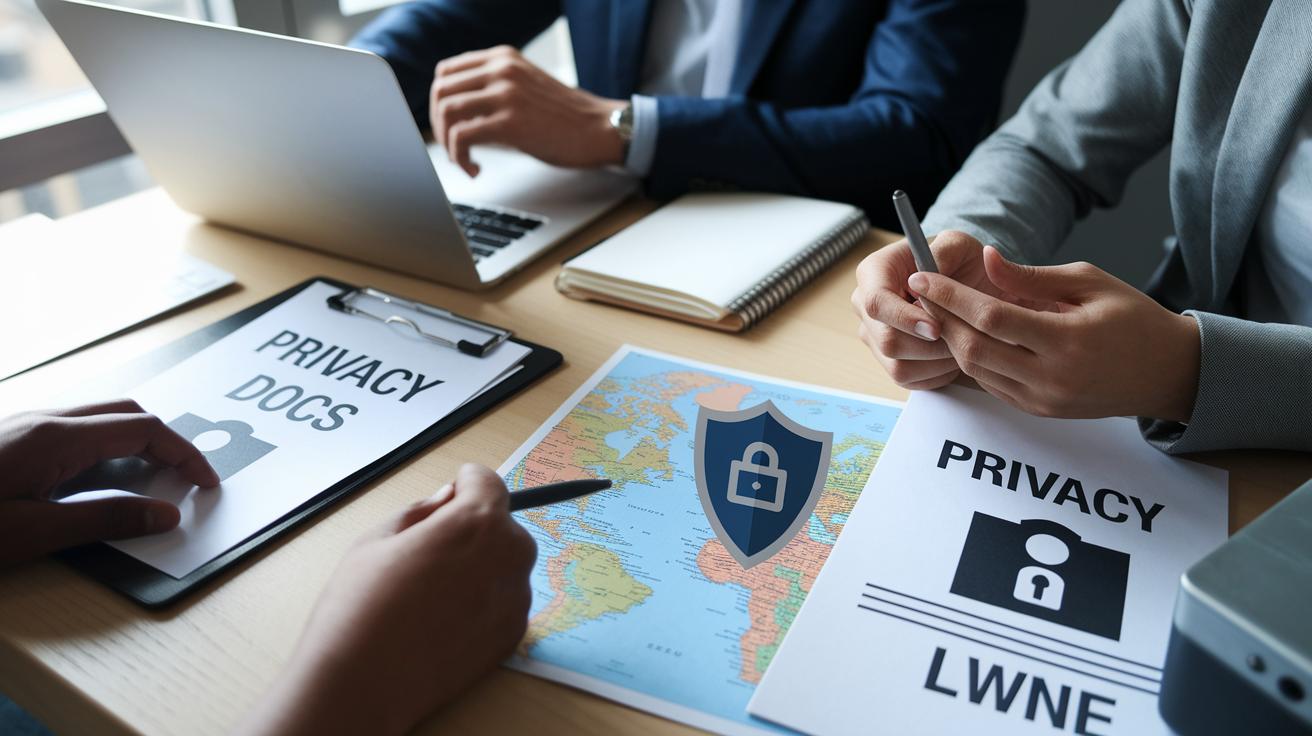
The Data Protection Act USA lays a strong foundation for managing personal data across many sectors. It builds on the Privacy Act of 1974, which set simple rules for federal agencies to follow and meant your personal info is only used when you say it's okay. This early law paved the way for more rules and helped keep government records clear.
Then came HIPAA in 1996. This law deals with healthcare records, giving you the right to see and even change your own information, always with your permission first. In 1998, COPPA was introduced to protect kids under 13, requiring clear rules and a parent's approval before any data is gathered. And in 1999, the Gramm-Leach-Bliley Act made sure that banks and financial companies take care of your data and let you choose to opt out.
Sometimes, the government steps in to ensure these rules are followed. The Federal Trade Commission, for example, has taken action against companies like Meta when they mishandle sensitive information. This kind of oversight reminds us that keeping our data safe is essential.
In short, these laws work together like the pillars of a secure home, all aimed at protecting our personal privacy in the digital world. By updating rules as technology changes, the Data Protection Act USA shows it truly cares about keeping our privacy intact.
data protection act usa: Clear Privacy Update
State-level privacy changes are shaking up how we handle personal data in the USA. In California, the California Privacy Rights Act started in 2023, giving people strong rights and setting up a team to make sure those rules are followed. Colorado is on the same page; its Colorado Privacy Act began on July 1, 2023 and covers companies that hit certain revenue or data limits. This shows how local rules can really protect consumers.
Virginia also joined the movement with its Consumer Data Protection Act in 2023, which puts more control over personal info into residents' hands. Many experts believe that these state laws expand the impact of our national approach by offering extra safeguards. And now, states like Connecticut, Maryland, Massachusetts, New York, and Utah are planning their own rules with unique features and set dates.
These local updates highlight how communities can tailor rules to meet their own needs. They not only reinforce the basics of our data protection efforts but also push for stronger measures to keep personal information safe in our digital age.
Data Protection Act USA Compared with International GDPR Standards
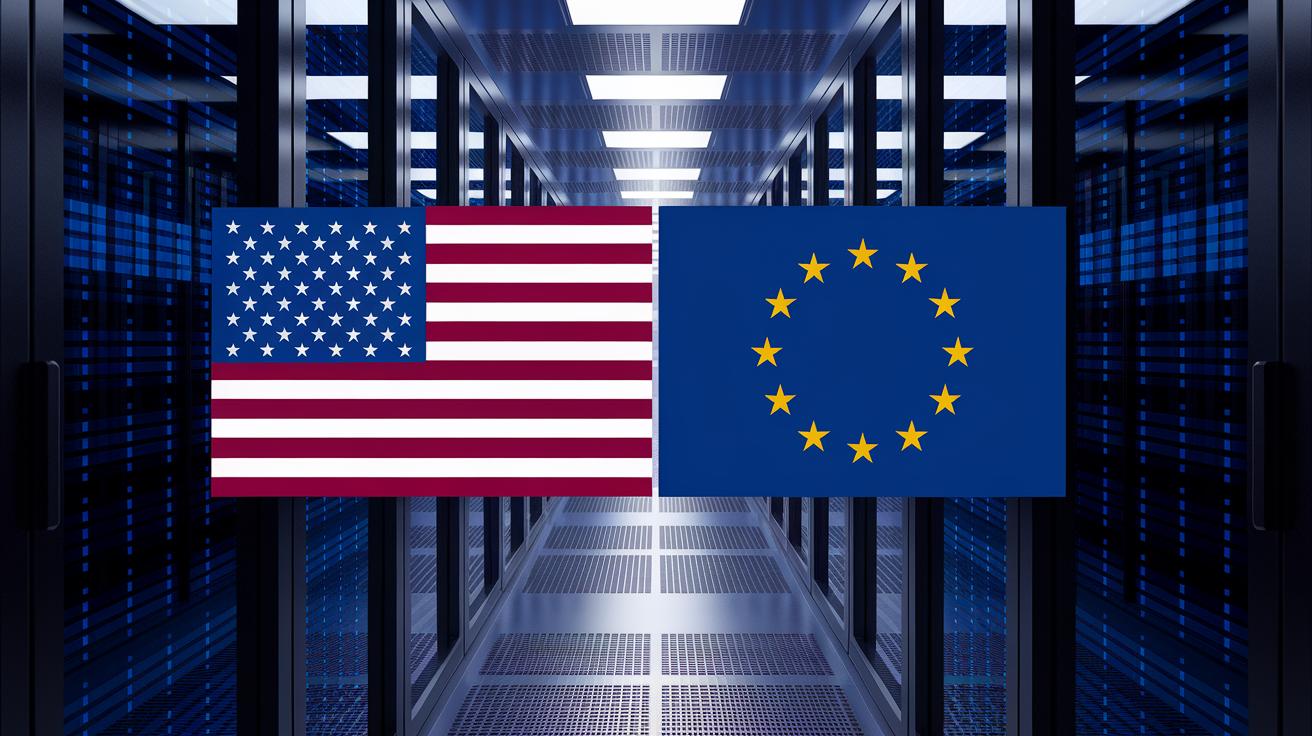
When it comes to protecting your personal info, the U.S. and Europe take different paths. In America, companies often need your clear consent for each specific use of your data. Over in Europe, the GDPR gives you wider rights, letting you manage your own information with a broad permission style.
Another key point is how they define roles like controller and processor. Both systems borrow these terms from European law, but U.S. rules handle them with a few unique twists. If you’re curious, check out what is gdpr at https://dealerserve.com?p=. These small differences change how companies must be responsible with your data.
The ways of keeping things in line also differ. GDPR uses fines to make sure companies follow the rules, while U.S. law often allows a bit of a break. In America, companies typically get 30 to 90 days to fix any issues before facing tougher penalties.
Lastly, who gets covered by these rules is different. The GDPR applies its rules across every industry, but U.S. laws are more selective, different sectors like healthcare or finance get their own specific rules. This makes the American setup both varied and specially designed for each field.
Compliance Strategies under the Data Protection Act USA
Businesses and agencies can take smart, easy steps to follow the Data Protection Act USA. Start by making a complete list of your data and how it’s stored. When you know where your personal information is kept every day, it’s much easier to prevent it from getting lost or misused.
Next, set up a clear way to handle data breaches. Give your team a 30-to-90-day window to fix any issues before tougher penalties kick in. This simple step can lower risks and build trust with your customers.
Another smart move is to use automated tools that search for and organize your data. These tools keep a constant watch and can quickly spot unusual changes or activity. Think of it as having a digital guard looking after your system.
It’s also important to follow special rules like those in HIPAA, GLBA, and COPPA. When you understand these exemptions, you can handle sensitive data correctly without crossing legal lines.
- Keep a full list and system for categorizing your data.
- Set up breach notification steps with a 30-to-90-day fix window.
- Use automated tools to watch and label your data continuously.
- Follow the special exemptions when managing sensitive data.
- Do regular privacy checks and risk reviews to meet federal and state rules.
These easy-to-follow strategies not only help you stick to government data privacy rules but also keep your business ready for regular audits and risk checks.
Recent Legislative Updates to the Data Protection Act USA

Recent changes show that lawmakers in the US are still hard at work on data protection. For details about rules like the CPRA and the Colorado Privacy Act, take a look at our Clear Privacy Update section.
At the federal level, past proposals and even an old report from 2009 on online ad practices keep the conversation going, even though nothing major has happened recently.
Think of each state privacy law as a little building block that helps protect your personal info. Even if there aren’t huge updates right now, every piece still adds value to your overall privacy.
Enforcement Mechanisms and Penalties in the Data Protection Act USA
The Data Protection Act USA relies on both federal and state tools to keep companies honest. At the federal level, the Federal Trade Commission (FTC) steps in when companies break privacy rules. Using its authority under Section 5 to curb unfair practices, the FTC makes sure companies handle data in a clear and fair way. For example, if a company doesn’t stick to its privacy promises, it might face civil fines or be forced to change its processes.
State officials also play a big part in keeping things fair. Attorneys general often work together across states to investigate issues that affect multiple communities. Typically, businesses get a 30- to 90-day period to fix problems before tougher penalties come into play. This window gives companies a chance to correct mistakes while keeping consumers protected.
There’s also a lively debate about whether consumers should have the right to sue companies directly under state laws. This discussion impacts how easily people can take action if their privacy is breached. In short, penalties range from civil fines to required changes in business practices that help restore compliance and rebuild public trust.
Final Words
In the action, we reviewed how the data protection act usa has grown from early privacy laws to guide today’s digital economy. We touched on federal rules, state updates, and even comparisons with international standards.
The post also offered practical tips for compliance and broke down key enforcement measures. It's clear that understanding the evolution of privacy and following smart strategies not only builds confidence but also sets you up for a secure financial future. Keep exploring and stay informed!
FAQ
Q: Is there a Data Protection Act in the United States?
A: The Data Protection Act in the United States refers to a framework of federal and state laws designed to safeguard personal data. It builds on earlier measures like the 1974 Privacy Act to protect digital privacy today.
Q: What are the key United States data protection laws?
A: The key U.S. data protection laws include the Privacy Act of 1974, HIPAA, COPPA, and GLBA. Each law addresses specific sectors like healthcare or finance by setting consent requirements and security protocols for data.
Q: How do U.S. data protection laws compare to GDPR?
A: U.S. data protection laws use a sector-specific approach, whereas GDPR applies uniformly across all industries. Both require clear consent and secure data handling, but GDPR enforces stricter penalties and broader coverage.
Q: What is the current status of the American Data Privacy and Protection Act?
A: The American Data Privacy and Protection Act remains under debate in Congress. While it reflects active discussions about modernizing privacy standards, it has not fully passed into law yet.
Q: What is the Data Protection Act 2018?
A: The Data Protection Act 2018 governs how personal data is managed in the United Kingdom. It establishes ethical guidelines for data use and aligns closely with modern principles like those found in GDPR.
Q: What does the U.S. data privacy law for financial services cover?
A: U.S. data privacy laws for financial services, such as GLBA, require banks and financial institutions to protect consumer data. These laws include providing opt-out options and ensuring robust security practices.
Q: What are the key principles and rules of the Data Protection Act?
A: The Data Protection Act is guided by core guidelines ensuring fair and lawful data processing, data minimization, and secure handling. Some interpretations list seven principles, while others emphasize three fundamental rules for protection.
