Have you ever wondered how the market has been beating over the years? Imagine a chart that shows treasury yields going all the way back to 1962. It feels like watching history pulse in real time, with every line on the graph hinting at big changes in our economy.
This graph makes it easy to see how money trends shift over time, almost like a timeline that comes to life. In this article, we'll break down the story behind these shifts. You'll get a clear, simple look at the clues the market provides and what trends might be on the horizon.
Understanding the Bond Market Graph: Yield Curves, Labels, and Periods

A bond market graph is a live visual tool that tracks the 10-Year Treasury Yield from 1962 through 2025. It gives you a quick look at more than 60 years of market trends. The key part of the graph is the yield curve. Think of it as the heartbeat of the market, showing how yields change over time.
The graph is built with clear, easy-to-read axes and labels. The horizontal axis marks time intervals, daily, monthly, or even over long periods, while the vertical axis displays yield percentages. There’s also a legend that explains all the symbols and line styles. This way, you always know exactly what you're looking at. For example, a well-designed yield curve can show shifts in economic mood, much like feeling the steady rhythm of a heartbeat.
Thanks to an interactive HTML5 design, the chart isn’t just a still picture. You can switch between different styles like line graphs, area charts, bar charts, candlestick charts, and even Heiken Ashi. Tools like freehand drawing, technical indicators (like moving averages and RSI, which help show market trends), and overlays for several instruments let you personalize your view. This modern yield curve not only displays the current yields but also serves as a timeline for treasury yields, capturing every market move clearly.
Every single element, from the axis labels to the style toggles, is designed with care. They make sure complex data stays simple and easy to digest. This clarity makes the bond market graph a practical tool for keeping an eye on interest rates and tracking shifts in debt trends.
Historical Trends in Bond Market Graphs: 1962–2025 Yield Curve Evolution
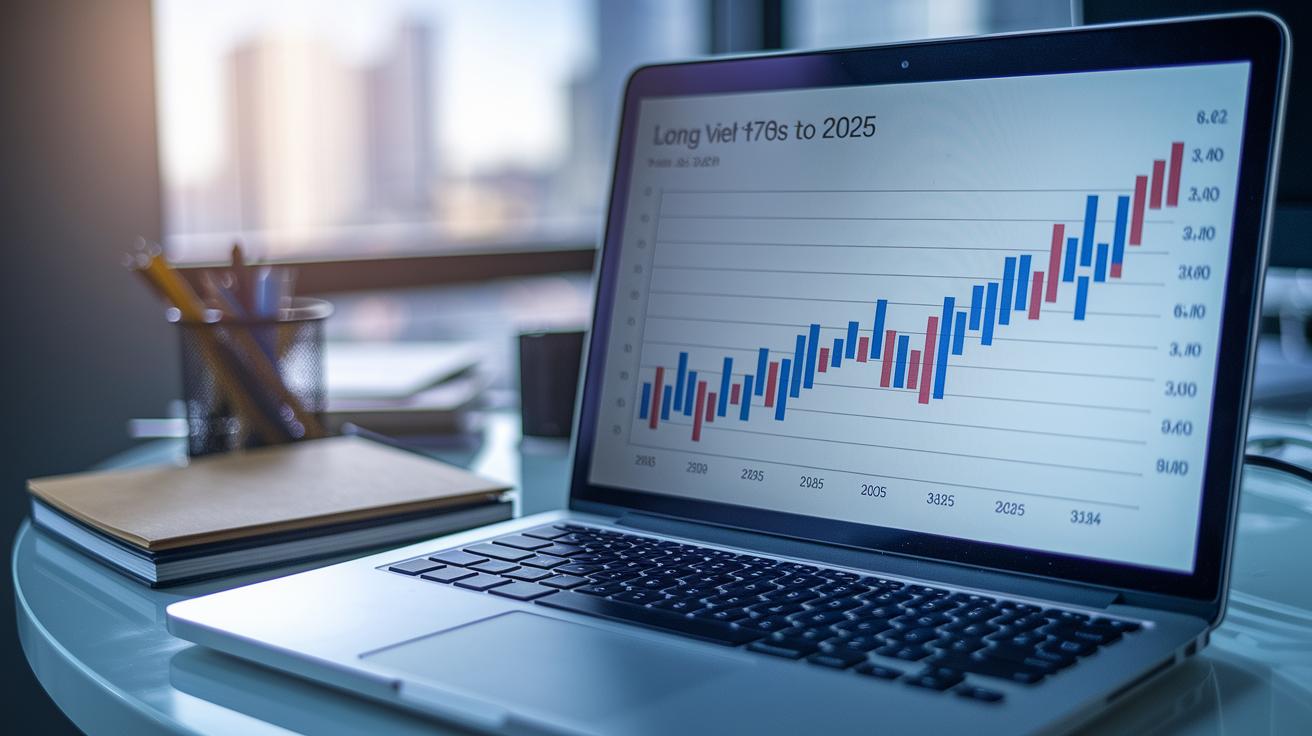
The 10-Year Treasury Yield paints a clear picture of how our economy has changed over time. Back in 1981, yields shot up past 15%, which tells us the economy was battling high inflation and heavy monetary measures. By 2020, everything shifted, and yields tumbled to under 1% before rising again to around 4% by 2025. Isn't it fascinating how numbers can tell such a vivid story?
Looking back a little further, the decades bring their own lessons. The 1970s were a rough ride with rising inflation, pushing decision makers to tighten spending. Then, in the early 2000s, policy shifts changed how investors felt about the market. The 2008 financial crisis brought a surge of uncertainty, sending yields into unpredictable swings. And when the pandemic hit in 2020, yields dropped sharply as economic activity slowed, a reminder that even small market changes can have big impacts.
These patterns over time help investors understand the mood of the market and adjust their strategies. Think of these trends like a visual timeline that shows how forces in our economy shape the bond market. Checking today’s market can give even more context to these yield cycles. Data from Macrotrends LLC backs up these insights and shows how our past helps guide smart investment decisions.
Interactive Bond Market Graph Tools and Customizable Chart Features

This state-of-the-art bond market graph shows you the live US 10-Year Bond Yield as it happens. It streams real-time data, turning numbers into a vibrant treasury note graph that almost seems to breathe with the market. With a live yield curve and a dynamic treasury fluctuation plot, every shift in the market is brought to life.
This tool has six simple, interactive features that help you dig into market trends:
- Real-time feed: See bond yields update right before your eyes.
- Style toggles: Easily switch between candlestick, area, line, bar, or Heiken Ashi displays.
- Technical indicators: Pick from over 50 drawing and analysis tools to check market trends.
- Overlays: View multiple instruments on one chart to compare their moves.
- Zoom functionality: Focus on specific time frames for detailed insights.
- Export options: Save your personalized view and share it for later review.
Imagine flipping a switch and watching your yield curve light up instantly, like turning on a lamp in a dark room. With this kind of customization, the graph becomes a lively money market chart, making it simpler to follow fixed-income trends with a personal touch.
Comparative Visuals: Stock Versus Fixed Income Plot on Bond Market Graph

When you overlay Treasury yields with the S&P 500, you get a clear side-by-side view that shows shifts in market mood. It’s like watching two streams of data flow together, one for bonds and one for stocks, to quickly spot moments when the market feels shaky. For instance, if Treasury yields jump while the S&P 500 dips, that might hint at a recession brewing.
This interactive chart is a handy guide during uncertain times. Think of it as a visual cue that highlights when investors are moving funds from stocks to what they see as safer bonds. In essence, it helps you see when market confidence is on the move.
There’s more to it. By comparing bond yields with stock returns, you can spot when it’s time to adjust your portfolio for better balance. The chart acts like a signal light, showing you key moments when rebalancing your investments might be a smart move.
And the tool is flexible too. You can switch between daily, monthly, or annual views to suit your analysis style. This makes it a neat little resource for anyone looking to fine-tune their investment strategy.
Global Bond Market Graphs: UK vs US Treasury and International Yield Curves

This section compares bond yields from different countries side by side. We use a simple four-row table to show both current yields and 10-Year yields from key markets. It’s like a quick snapshot of how the debt market feels today and a hint of where it may be headed. For instance, UK government bonds often have their own rhythm compared to US treasuries because of varied economic policies and conditions.
Below is a table that compares key data points:
| Country | Instrument | Current Yield | 10-Year Yield |
|---|---|---|---|
| United Kingdom | 10-Year Gilt | 1.2% | 1.5% |
| United States | 10-Year Treasury | 3.5% | 4.0% |
| Japan | 10-Year JGB | 0.3% | 0.5% |
| Germany | 10-Year Bund | 0.7% | 1.0% |
These figures show that each nation’s bonds have their own personality. The UK and US, for example, usually have a slightly steeper curve, hinting they might be more sensitive to local economic changes. In contrast, Japan’s low yields tell a story of long-standing low-interest rates. When investors from different countries compare these numbers, even small differences can help guide smart decisions about spreading out risk. Essentially, this table does more than just list numbers, it paints a clear picture of how various markets react to policy changes and broader financial trends.
Forecasting Through Bond Market Graphs: Yield Forecast Line Chart and Sentiment Indicators
When you check out bond market graphs, you get a sneak peek into where interest rates might be headed. The chart shows yield estimates running through 2025, using fed dot plots and forward curves for guidance. Experts add their consensus forecast lines right next to the real yield data, so you can see what they expect alongside what is happening now.
Imagine a chart like a sports scoreboard where every point counts. When you see Fed expectations rising as inflation breakevens start to shift, it signals a change in market mood. In simple terms, even a small move can really steer things in a big way.
Key indicators to keep an eye on include:
- Fed expectations: This shows where the central bank might steer rates.
- Inflation breakevens: These hint at what the market thinks future inflation will be.
- Futures spreads: By comparing shorter and longer-term rates, you can spot shifts.
- Dealer positions: Their moves can signal big trading shifts.
- OIS rates: These tell you the cost of overnight funds, adding more context.
Additionally, sentiment overlays from Treasury futures positions capture how investors feel, giving you another layer of insight. By watching these markers closely, you can adjust your strategy as the yield curve changes with economic shifts.
Final Words
In the action, this article broke down the essentials of a bond market graph. It highlighted yield curves, technical overlays, and chart features, from historical trends to interactive tools, that simplify understanding market shifts. We compared fixed income with stock visuals and examined global insights along with future projections. Each section aimed to clarify complex details in a friendly, straightforward way. Let this clear overview boost confidence in your strategy and inspire smart investing for a secure financial future.
FAQ
What does a live bond market graph show today?
A live bond market graph shows current yields, updated trends, and key indicators instantly reflecting bond price movements in real time.
What information does the U.S. Treasury yield chart provide?
The U.S. Treasury yield chart shows how yields change on key government bonds, including the 10-year note, helping track long-term interest trends.
What does the bond market graph history illustrate?
The bond market graph history illustrates past yield trends and major market events, offering insight into how economic shifts affected bond performance over decades.
What does the bond market graph for 2025 display?
The bond market graph for 2025 displays projected yields based on forecast models, highlighting expected changes from economic shifts and historical trends.
How is the bond market doing right now?
The current state of the bond market is shown through live graphs and real-time data, offering a clear picture of today’s yield movements and market sentiment.
Why are US bond yields falling?
US bond yields are falling because market demand, shifts in investor sentiment, and policy decisions are reducing interest rates, which is reflected in current yield trends.
What is the forecast for the US bond market?
The forecast for the US bond market uses yield curves, forecast lines, and sentiment indicators to predict how economic changes and policy impacts might shape future yields.
How is the bond market doing in 2025?
The bond market in 2025 is shown with models that compare historic trends and forecast data, providing an expected outlook on yield changes as economic conditions evolve.
