Do you ever worry about your personal details getting lost online? In today’s digital world, data can slip through unnoticed and even small breaches might cost you money or damage your reputation.
That’s why it helps to make a few simple changes in your daily habits. Today, we’ll share easy tips to guard your information against cyber threats.
We’ll talk about things like using unique passwords and being careful with your account settings. These small steps work together like a trusty shield to protect your data.
Taking care of your information keeps your life secure and makes sure you hold on to the trust people place in you.
Comprehensive Steps for Personal Information Protection
Protecting your personal data is super important. Even one slip-up can cause money troubles, legal issues, or hurt your reputation. You might remember a time when oversharing on social media or a mix-up with your login details put you at risk. Changing your everyday habits can really help ward off these dangers.
Securing your personal information isn’t about confusing tech talk or pricey gadgets. It’s about simple, clear routines that strengthen your online identity. When you follow these steps, you’re not just protecting your data, you’re keeping the trust others have in you.
- Keep personal milestones on social media to a minimum.
- Create unique passwords with 15 or more characters for each account.
- Turn on two-factor authentication wherever it’s available.
- Steer clear of free Wi-Fi when you’re handling sensitive tasks.
- Look over links carefully before you click, to spot any signs of phishing.
- Update your operating system, browsers, and apps regularly.
- Consider identity monitoring to check if your info pops up on the dark web.
Staying alert is a continuous process. The online world changes all the time, and so do the tricks used by cyber crooks. It helps to check your digital security regularly, stick with strong account practices, and be cautious with unexpected messages or pop-ups. Even a small misstep, like clicking on a suspicious link or missing a critical software update, can let others access your personal data.
By sticking to these steps, you’re building a strong defense line that not only cuts down on risk but also keeps you ahead in protecting your personal identity.
Legal Framework for Personal Information Protection

Meeting legal rules for data protection isn’t just busywork. It is a way to keep personal details safe and build trust with customers. Laws like GDPR, CCPA, CPRA, CalOPPA, and Virginia CDPA tell us how to handle basic details, ID numbers, tech identifiers, and even sensitive data. They ask companies to only collect what they need, secure the data properly, and use techniques like encryption or pseudonymization (a way to hide real data). Following these rules helps companies dodge big fines, such as fines up to €20 million or 4% of global revenue under GDPR and between $2,500 and $7,500 for each violation under CCPA.
| Law | Jurisdiction | Scope of Personal Info | Key Penalty |
|---|---|---|---|
| GDPR | European Union | Everything from sensitive data to technical identifiers | Up to €20 million or 4% of global revenue |
| CCPA | California, USA | Personal details, ID numbers, and consumer data | $2,500–$7,500 per violation |
| CPRA | California, USA | Includes sensitive data with expanded definitions | Similar to CCPA with stricter enforcement |
| CalOPPA | California, USA | Web tracking and disclosure of personal data practices | Enforced through consumer complaints |
| Virginia CDPA | Virginia, USA | Personal info including tech and sensitive details | Penalty system based on level of compliance |
New trends in enforcement show that regulators are not just raising fines, they are also tightening rules to stop data misuse. Today, companies need to stay on top of these changing standards and invest in systems that follow fair data practices. This shift tells us that staying compliant is a continuous promise to protect personal information. Keeping up with the laws and regularly updating internal policies is key to maintaining trust with clients and avoiding legal trouble.
Best Online Privacy Measures for Personal Information Protection

Keeping a close eye on your digital footprint on social media goes a long way in protecting you from targeted attacks. Research shows that when you hold back on sharing too many details during important life moments, you're less likely to attract phishing scams. Think about a public figure who, before tightening his profile settings, got hit with a targeted email scam after oversharing personal milestones, yikes!
Public Wi-Fi can be a risky playground. Studies suggest that more than 60% of data breaches come from insecure hotspots. It really pays off to use networks you trust or even your own mobile hotspot when handling sensitive tasks. For instance, one office worker switched from free Wi-Fi to a verified hotspot and saw a 40% drop in suspicious login attempts.
Strong authentication remains one of your best shields. Accounts with multi-step verification face about 70% fewer unauthorized access attempts. So, why not create a unique 15-character password that mixes letters, numbers, and symbols, and then add an extra layer of verification? One college student didn’t face any issues during a regional phishing surge after adopting these practices.
Keeping your software updated is like locking the door on potential vulnerabilities. Devices running the latest software are 50% less likely to suffer from security breaches. Regular updates patch those holes and keep your security tools performing at their best. It’s a bit like scheduling regular car maintenance, staying updated keeps your device secure and efficient.
Offline Strategies for Personal Information Protection

Keeping your physical records safe is a basic step to protect your personal details. Think about locking away your important documents in a sturdy cabinet or secure safe. Picture your family storing old tax returns and private papers in a locked safe at home, a simple way to reduce risks during emergencies or break-ins. Plus, shredding outdated paper copies helps keep unwanted hands from getting a peek.
Another smart idea is to maintain encrypted backups of your crucial records. You can use a portable drive that supports file encryption or rely on a secure cloud service. It’s like having a digital vault where, even if your device goes missing, the information stays locked away without the proper decryption key. These encrypted backups work as insurance if your original files get damaged or fall into the wrong hands.
Lastly, managing your Social Security number carefully is key to offline security. To protect it from misuse, consider calling the SSA or using E-Verify to restrict access. This simple step stops criminals from piecing together bits of information they may gather elsewhere, keeping your identity safe.
Risk Mitigation and Breach Prevention for Personal Information Protection

When it comes to protecting your personal information, it helps to run regular risk checks. A quick look at your systems can reveal weak spots before they turn into big issues.
Building a strong defense is key to stopping breaches before they happen. You can use solid access controls so only approved folks see your sensitive data, and apply pseudonymization, a method that masks details, to cut down on misuse. It’s a bit like putting up a strong fence around your information. For example, a company might set strict user permissions so that only certain team members can view confidential data. This method not only lowers risk but also builds a ready defense strategy.
Adding tools that keep an eye on the dark web can step up your protection even more. These tools alert you if your data shows up somewhere unexpected. Plus, investing in identity theft insurance can help cover financial losses if fraud ever does occur, giving you extra peace of mind.
It’s also important to have a clear plan for dealing with breaches. When something goes wrong, having a step-by-step plan to isolate the issue, assess the damage, and fix it quickly can really limit the harm.
Finally, constant monitoring is the backbone of long-term data security. Regular risk checks along with continuous oversight from trusted services help you stay ahead of potential threats. For example, a service that alerts you to suspicious activity, even before a breach unfolds, lets you react promptly. This ongoing watchfulness not only secures your personal data but also boosts your confidence in the systems that protect you every day.
Essential Tools and Technologies for Personal Information Protection
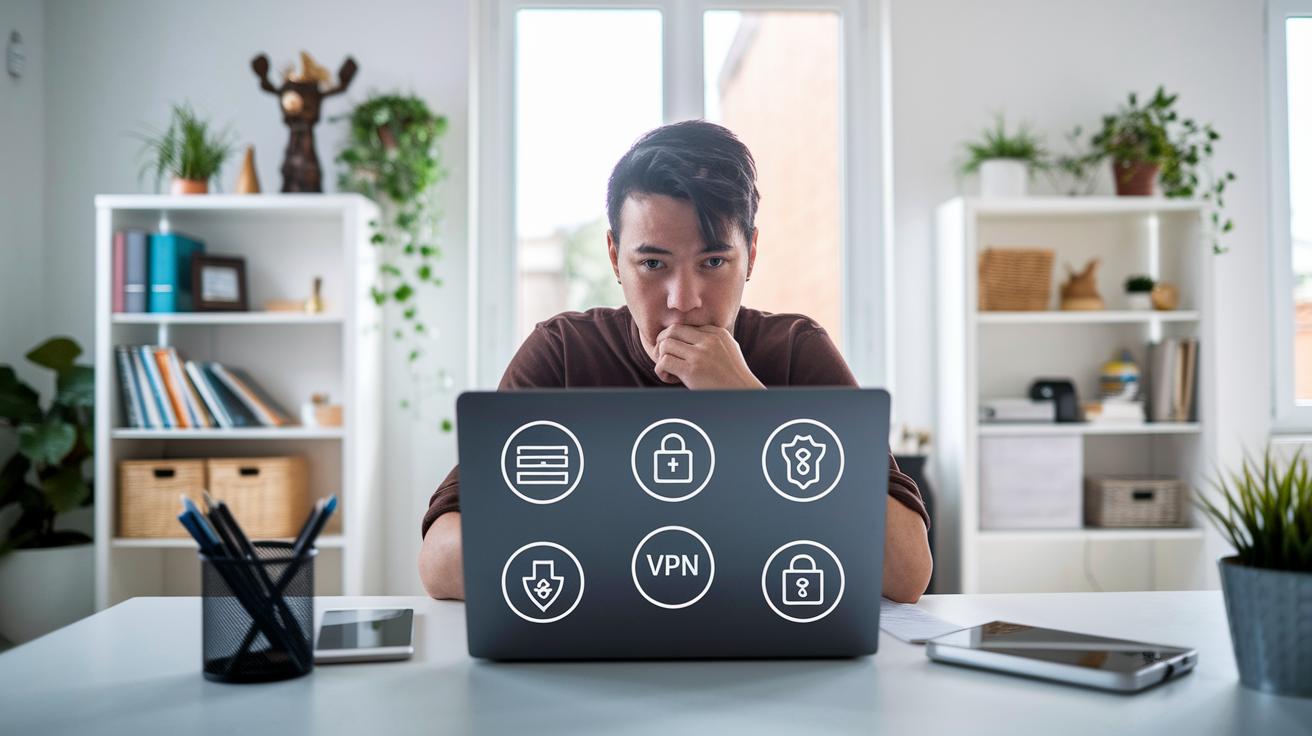
Keeping your private data safe is easier when you have the right tools. Many of these tools catch problems early on and lock down your sensitive information. For instance, LifeLock Ultimate Plus monitors your credit and sends fraud alerts. It even offers a free trial for 30 days so you can see firsthand how extra care helps. Password managers generate and safely store strong passwords so you don’t have to reuse them. VPNs, or Virtual Private Networks, encrypt your internet traffic to safeguard your online actions on any connection. And file encryption apps protect your documents whether they’re on your device or in the cloud. Last but not least, policy generators and compliance quizzes help you follow legal rules, adding another layer of defense against cyber threats.
Identity Monitoring Services
These services keep an eye on your information by scanning the dark web and sending breach alerts. They let you know right away if your details show up where they shouldn’t, which means you can act fast to stop further exposure.
Password Management Software
Password management tools store your login details in an encrypted vault. They also create strong, random passwords for you so that you don’t have to remember tricky strings of characters yourself.
Virtual Private Networks
VPNs protect your online behavior by encrypting your web traffic and hiding your IP address. This means your browsing remains private no matter where you are or what network you use.
File Encryption Applications
File encryption apps secure your files both on your computer and in the cloud. They keep your documents safe from anyone who might try to read them without the right decryption key.
Cultivating a Culture of Personal Information Protection

It all starts with simple steps. Setting up hands-on learning sessions gives everyone a chance to feel confident about their digital safety. For instance, one company started a quick quiz before meetings, and people soon picked up better habits with handling data. In truth, a little privacy training can really change how we view safe data practices.
Clear rules at home and work make it easier to know what to share and what to keep private. Consider setting up cookie preference centers so users can choose exactly how much tracking they’re comfortable with, and ask for data removal when you can. By sharing only the bare minimum, you naturally cut down the risks of leaking sensitive info.
Regular check-ins are key too. Scheduling updates, like a review every six months, lets you adjust your privacy practices as new challenges crop up. These small, regular actions not only remind you of your personal rights but also keep everyone, from individuals to whole organizations, ready to navigate the ever-changing digital world.
Final Words
In the action, we explored clear steps to safeguard your data. The post covered practical measures, from creating strong passwords and using two-factor authentication to protecting your online and offline records, while highlighting legal standards and practical tools that build a solid defensive routine.
Staying alert with personal information protection means small, daily actions really matter. Commit to these steps, and you'll keep your financial future secure, always feeling confident as you build a safer digital environment.
FAQ
What is personal information protection law?
The personal information protection law governs how organizations collect, store, and use your data. It prevents misuse and protects your privacy by setting clear rules for handling sensitive information.
How does personal information protection in the workplace work?
Personal information protection in the workplace means companies implement policies and controls to secure employee and customer data. These measures include training and access restrictions to prevent misuse.
How do you protect personal information online, secure data privacy, and keep your data safe?
Protecting your data online involves using strong, unique passwords, enabling two-factor authentication, and keeping software updated. You also avoid suspicious links and unsecured networks when sharing sensitive information.
What are 10 ways to protect your personal data?
The ten ways include limiting oversharing online, using unique long passwords, turning on two-factor authentication, avoiding public Wi-Fi for sensitive tasks, checking links for red flags, updating software, and employing identity monitoring.
What are examples of data protection?
Data protection examples include encryption of files, strong passwords, two-factor authentication, and identity monitoring. These measures help safeguard your personal information from unauthorized access and misuse.
How do you protect your personal information on social media?
Protecting your personal information on social media means limiting the details you share, reviewing privacy settings, and avoiding public posts about personal milestones to reduce potential data misuse.
What is data protection and why is it important?
Data protection means securing your information from unauthorized access or theft. It is important because it helps prevent financial loss, legal risks, and damage to your reputation by keeping sensitive details safe.
What qualifies as PII (personally identifiable information)?
PII qualifies as data that can identify you, such as your name, address, and social security number, along with technical identifiers. Protecting PII is essential to maintain your privacy.
What is the personal information protection rule?
The personal information protection rule sets standards for how organizations must handle and secure your data. It ensures your information is managed responsibly and prevents its unauthorized use.
What are the 7 personal data protection principles?
The seven principles cover limiting data collection, ensuring accuracy, providing access, maintaining security, enabling control, promoting transparency, and restricting unnecessary retention. They guide safe handling of personal information.
