Ever wondered if you could bet on the future of the market? Stock market futures let you spot trends before they hit. With just a small investment, you can help keep your money safe and even boost your profits. Think of it like checking the weather before you leave home, you get a clue about what might come so you can be ready. In this guide, I'll explain how futures work and why they might be a smart way to take advantage of rising market trends.
Understanding Stock Market Futures: Definitions and Key Features
Futures are simple contracts where you agree to buy or sell an asset at a set price on a future date. In the stock market, this means you’re not betting on just one company, you’re taking a stance on the overall market trend. Think of it as getting a bird’s-eye view of market movements, giving you the chance to profit or protect your money when things change quickly.
Futures trade almost all day during weekdays. This nearly 24-hour schedule lets traders quickly react to global events or economic news. It also means you have direct access to the big picture, whether you’re looking at indices or commodities, so you can better understand the flow of the economy.
Key features of futures include:
- Contract details like the asset involved, its size, and when it expires.
- Nearly 24/5 trading hours that keep you connected to the market.
- A small initial margin of between 3% and 12%, which means you can control large positions with less money.
- A tax advantage where gains are split, 60% are taxed at long-term rates and 40% at short-term rates.
- A clear window into overall macroeconomic trends.
Because futures let you use a small amount of money to control a large contract, they help you make more flexible use of your funds compared to buying stocks outright. This, paired with the tax benefits, makes futures a smart way to get wide market exposure while using your capital efficiently.
stock market futures: Profitable Trends Ahead
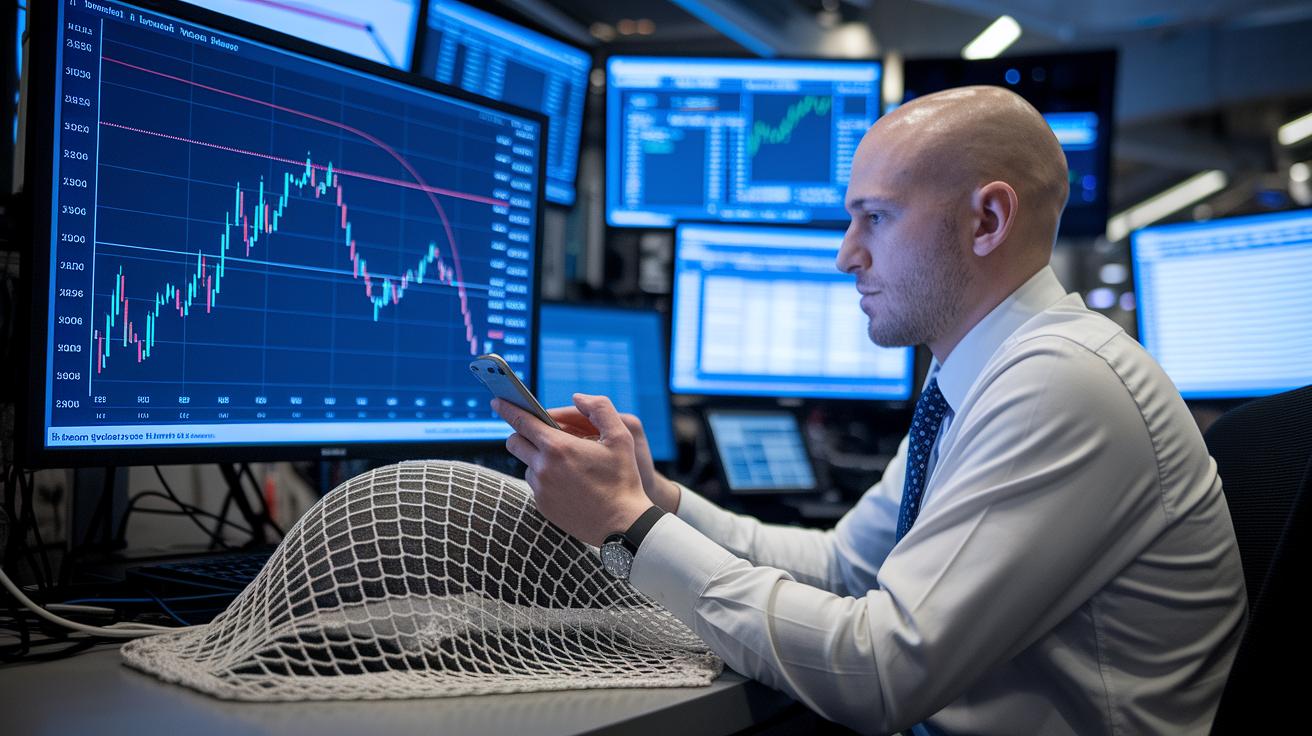
Futures act like a safety net for your stock portfolio, especially when the market gets choppy. When you use equity index futures, you're essentially setting up a backup plan to help balance out losses if stock prices fall. It’s a bit like having an extra pair of hands ready to catch you when things get slippery.
Trading futures can let you control a bigger piece of the market with only a little bit of money. Basically, you might boost your gains if the market swings in your favor. But remember, it works both ways, losses can sometimes go beyond your original investment. So, it’s smart to pay close attention to how much you’re putting at risk. Ever tried steering a giant ship with a tiny rudder? That’s how precise you need to be here.
There’s also a neat trick with spreads. Calendar spreads, for instance, let you earn from the difference in prices of contracts that expire in different months. And then there are inter-market spreads, where you take advantage of the connection between similar indices or commodities. This method not only makes your money work smarter but also plays nicely with that 60/40 tax rule on gains, adding a layer of flexibility to your trading strategy.
Technical Analysis Tools for Stock Market Futures
When you trade futures, using charts and tools can be a real lifesaver. They help you see trends and spot when the market might flip. With a mix of techniques, you can quickly read the price moves and decide whether to jump in or step back.
Chart Patterns Overview
Charts form shapes that give you clues about what might happen next. For instance, a head and shoulders pattern may warn you that the market is peaking. Triangles show a slow build-up before a quick change, and flags look like brief pauses in a strong trend. These patterns help you pay attention to possible breakouts or turns in the market.
Candlestick Formations
Candlestick patterns reveal how traders feel about the market. When you see a doji, where the opening and closing prices are almost the same, it suggests that buyers and sellers are evenly matched. A hammer could hint at a bounce upward, while an engulfing pattern might point to a change in momentum.
Momentum Indicators
Tools like RSI and MACD let you know if the market is too high or too low, which can guide your buy and sell choices. Sometimes, you’ll notice short-term and long-term moving averages crossing each other; that’s a clear signal to watch. These indicators often work with others like stochastic oscillators to check the strength of a trend. By mixing these chart patterns, candlestick insights, and momentum tools, you have a well-rounded strategy to trade futures with confidence.
Managing Risk: Margin, Leverage, and Risk Mitigation
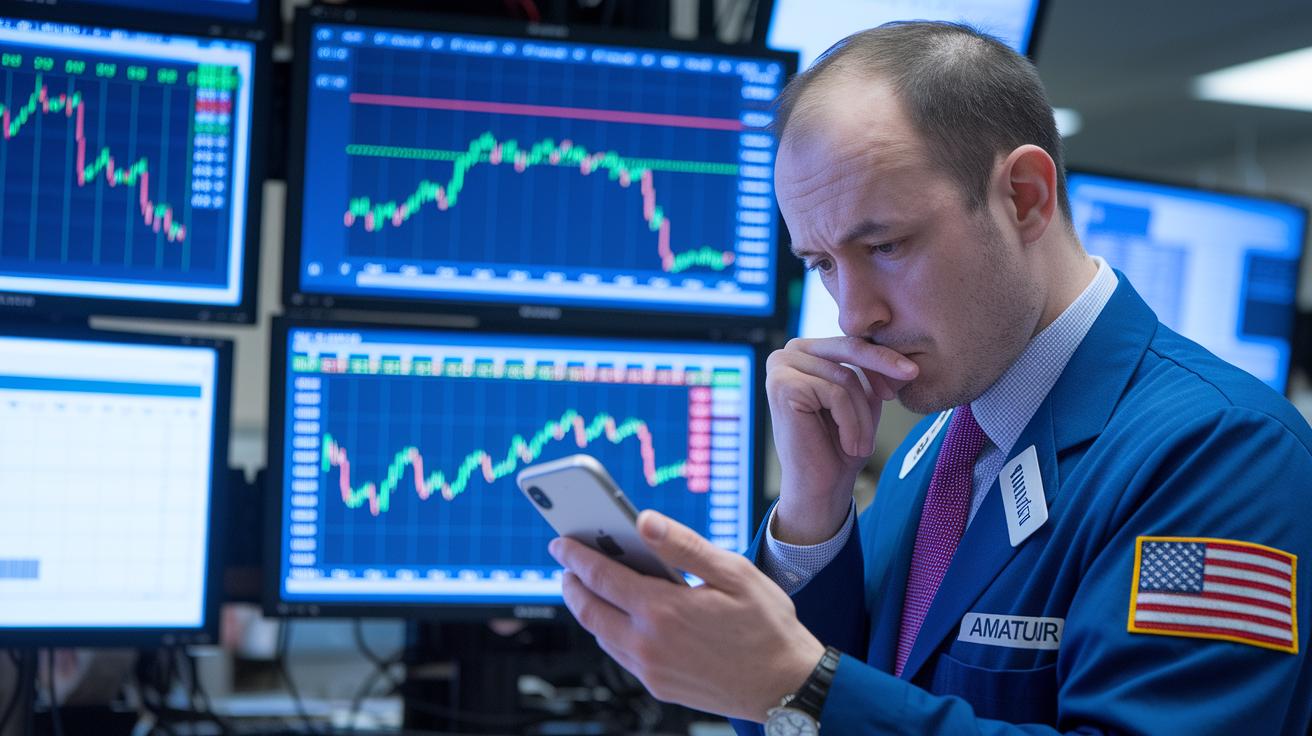
Futures trading demands careful risk management, starting with knowing the rules of margin. Your initial margin is usually between 3% and 12% of the contract's value. This cash deposit secures your trade, but if the market turns against you, your account might drop below the maintenance margin, which could trigger a margin call. And with leverage in play, both your gains and losses can quickly grow far beyond what you originally put up. Think of it like giving a gentle nudge on the gas pedal and suddenly finding yourself racing down a sharp curve. It's all about balancing the chance for bigger rewards with the risk of losing more than your starting investment.
| Risk Management Approach | Purpose |
|---|---|
| Hedging | Offset adverse price moves |
| Stop-Loss Orders | Automatically exit at set levels |
| Position Sizing | Keep each trade’s exposure in check |
Beyond margin management, many traders keep a close eye on implied volatility to understand the market's mood. By watching volatility indices and setting clear exit points, you add an extra safety net. These tactics act like guardrails on a windy road, giving you a little more confidence when the market takes an unexpected turn. Using these risk mitigation techniques means you can manage your exposure better and protect your capital, even when the market throws you a curveball.
Leveraging Session Insights and Algorithmic Execution in Stock Market Futures
Global sessions play a major role in futures trading. With nearly nonstop trading from Asia to Europe before the U.S. even opens, you get a chance to see what’s going on around the world. It’s like watching the sunrise in different time zones, each movement hinting at what might happen next.
Before U.S. stocks start their day, signals coming in from overseas can give you a heads-up about what might be in store. For example, if Asian futures make a strong move, that could be your cue that U.S. markets might face some extra ups and downs. It’s a bit like checking the weather before you head out, an early indicator to plan your day.
Short-term traders often zero in on patterns right when the market opens, like those quick breakouts. These early price moves offer a clear glimpse into what’s coming next and can help you make informed trading choices. By watching these moment-by-moment changes, you’re basically turning real-time data into smart action.
Adding algorithmic trade execution into the mix makes everything even sharper. Automated systems route orders and backtest strategies in a flash, cutting down on human errors. And while learning about things like tick sizes and margin usage might seem tricky at first, these tools simplify the process, turning complex market moves into a manageable strategy.
Current Trends and Forecasts in Stock Market Futures
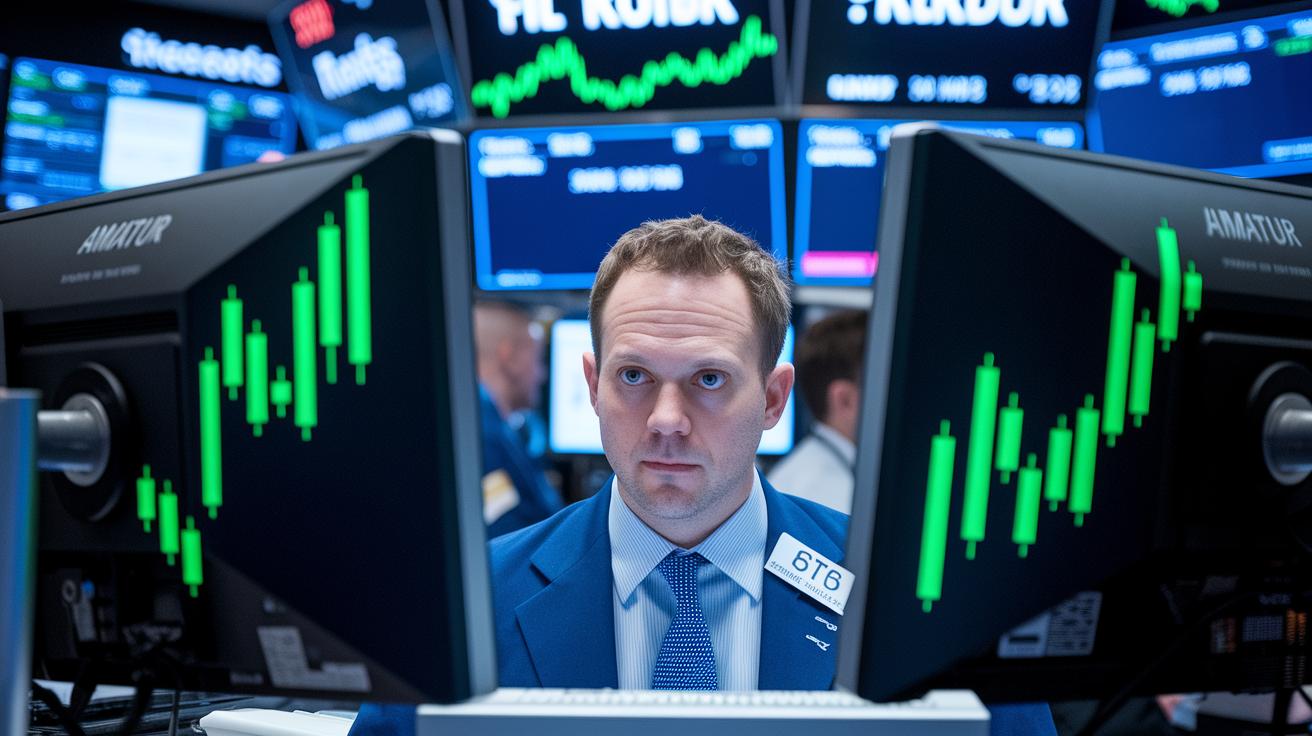
On October 9, 2025, at 7:32 AM ET, Dow Jones futures took an upward turn after TSMC reported strong third-quarter sales. This move was boosted by solid earnings from companies like Nvidia and Delta Air, which helped steer the market in a positive direction. Traders are keeping a close eye on these key earnings, as they play an important role in shaping overall market energy.
The tech and AI sectors are stirring mixed reactions among investors. Good earnings reports have lifted spirits, yet many experts advise a cautious approach with popular stocks such as AMD, Intel, CrowdStrike, and Snowflake. It’s a bit of a balancing act; while better earnings can strengthen the market, some investors are choosing now to take some profits, keeping a careful watch on their tech positions.
Looking ahead, upcoming economic reports and central bank announcements are set to influence market ups and downs. Traders are making adjustments ahead of these events, preparing for possible shifts in policy or new economic data. This proactive approach helps them manage risks when big news or global changes come into play.
Final Words
In the action, the article walked through the basics of stock market futures, laid out how to use technical tools to catch signals, and explained trading strategies with a clear view on risk management.
It also highlighted global market trends and forecast shifts that offer practical insights for both cautious and aggressive investors.
The discussion makes smart investing approachable and gives a solid glimpse into stock market futures, leaving you upbeat about stepping forward with your financial plans.
FAQ
What do stock futures for Monday indicate?
Stock futures for Monday indicate early market direction by reflecting global and overnight trends. They give you a quick sense of investors’ mood before the opening bell.
What insights do S&P 500, Nasdaq, and Dow Jones futures provide?
S&P 500, Nasdaq, and Dow Jones futures provide live market exposure that signals investor sentiment. They offer a snapshot of potential market movement before regular trading begins.
How do oil futures differ from equity index futures?
Oil futures differ by tracking commodity prices instead of stocks. They mirror supply and demand factors in energy markets and help you gauge shifts in global economic conditions.
What can TSX futures tell me about the market?
TSX futures offer insight into Canadian market trends. They indicate investor expectations and help you understand potential shifts on the Toronto exchange ahead of the trading day.
How much has the stock market dropped since Trump?
The stock market’s drop since Trump varies by index and time period. It has experienced ups and downs, making the exact decline dependent on the specific benchmark and timeframe you examine.
Will the Dow ever hit $50,000?
The Dow hitting $50,000 depends on numerous economic factors and investor behavior. While some are optimistic, no one can predict market highs with certainty due to the many variables in play.
What is the stock market expected to look like in 2025?
The stock market in 2025 is expected to reflect ongoing economic trends and global events. Projections are mixed, as future market conditions depend on both domestic policies and international developments.
Why is AMD rising today?
AMD is rising today because of favorable company news, strong earnings reports, or positive market sentiment toward the tech sector. This upward move reflects real-time investor reactions to new developments.
