Have you ever wondered if a strong risk management plan could protect your business? Think about it: a cyber threat can hit every 19 seconds. When companies watch for, review, and take care of risks, leaders make quick, smart decisions that keep things running smoothly. Instead of using old checklists, this modern method relies on smart automation, which means using technology that works on its own to update and safeguard your system. In short, moving to an active risk management approach builds a solid base for growth and stability, making it a smart way to succeed.
Risk Management Framework: Smart Strategy for Success

A risk management framework helps companies spot, evaluate, and handle risks in areas like cybersecurity, rules, and day-to-day operations. Instead of using old checklists, it uses smart automation and ongoing insights to keep risk info fresh. This method turns risk identification into an active, continuous process. Fun fact: every 19 seconds, a ransomware attack happens. That really shows why keeping up with risk management is so important.
Using an RMF brings real benefits. Here’s what you can expect:
- Smarter decision-making: Leaders can rely on real-time data to act quickly and confidently.
- Asset protection: Constant monitoring helps shield both digital and physical assets.
- Fewer compliance headaches: Automation simplifies meeting legal standards.
- Steady operations: Fresh risk insights keep your business running without a hitch.
- Better financial health: Strong risk control boosts overall financial stability.
By ditching manual checklists in favor of constant monitoring, an RMF fits neatly into any compliance strategy and builds a resilient foundation. This lets organizations focus on growth and innovation, all while knowing their risk management is solid and ready for new challenges.
Core Components of a Risk Management Framework

A strong risk management framework lays out five key parts that work together to keep an organization safe. It all begins with risk identification, where companies constantly look for any weak spots that might hurt their business goals. Then comes risk assessment, which uses simple and clear methods, both numbers and good judgment, to figure out which threats need tackling first. This process helps teams figure out potential losses and decide on the next steps.
Next, risk mitigation is all about taking practical steps to lower or completely remove these risks. By acting quickly, businesses can stop small issues from snowballing into big problems. On top of that, continuous control monitoring keeps an eye on how different parts like controls, gaps, assets, and threats connect with each other.
Then, risk monitoring and reporting make sure that every safety measure is working in real time. This regular check-in helps leaders make smart decisions at the right moment, which is key for strong security. Finally, governance ties everything together with clear rules and open communication, making sure every part of the process fits well with overall business plans.
| Component | Description |
|---|---|
| Risk Identification | Ongoing discovery of vulnerabilities and their impact on objectives. |
| Risk Assessment | Uses qualitative and quantitative methods to prioritize threats. See the risk assessment process. |
| Risk Mitigation | Adopts strategies to reduce or eliminate identified risks. |
| Risk Monitoring & Reporting | Tracks control effectiveness continuously with real-time updates. |
| Governance | Provides oversight through policies and communication to align risk management with business goals. |
This clear structure makes sure every risk is managed well, giving continuous insight and active oversight every step of the way.
Implementation Steps for a Risk Management Framework

NIST SP 800-37 explains six clear steps that help companies handle risk better. When a business follows these steps, it builds security right into its technology. This means faster returns and smarter, real-time decisions. Each step builds on the one before it, starting with figuring out what needs protecting and ending with constant monitoring that gives live updates on how well everything is working.
First, you figure out which systems and information need the most protection. Businesses look at their assets and decide which ones are most important for keeping operations running smoothly. Then comes choosing the right security measures. This step is all about picking safeguards that cover any weak spots without making things too complicated or expensive.
Next, it’s time to actually put the chosen controls in place. Here, companies rely on smart automation tools instead of old-fashioned checklists, which makes the whole defense process smoother and more efficient. Once the controls are active, the next step is to check how well they work. This real-time review helps catch any changes or surprises that could turn into risks.
After the tests show the controls are doing what they’re supposed to, the system gets the official go-ahead to operate. Finally, continuous monitoring kicks in. This last step means keeping a constant watch on your controls with live data so that, as threats change, the security measures can adapt and stay effective.
If you’re looking for a more detailed guide on these steps, be sure to check out the risk management framework page.
| Step | Description |
|---|---|
| Categorize Information Systems | Identify and sort out your most critical assets based on their sensitivity and impact on the business. |
| Select Security Controls | Pick safeguards that match your risk level and address any weak spots without adding too much complexity. |
| Implement Controls | Use automation tools to put the controls in place and integrate them with your existing systems. |
| Assess Control Effectiveness | Regularly test and check the controls in real time to make sure they perform as expected. |
| Authorize System Operation | Review and approve the system once the controls meet both business and legal standards. |
| Continuous Monitoring & Agentic Evidence Collection | Keep an ongoing watch on your security measures with live data so they can adjust as threats evolve. |
Comparing Leading Risk Management Frameworks

When choosing a risk management framework, it helps to know what makes each one unique. Businesses can pick a model that best fits their needs, whether they want to focus on keeping a constant eye on potential threats, follow a structured process based on clear ideas, or blend risk management right into everyday business planning.
NIST Cybersecurity Framework
The NIST Cybersecurity Framework is built around a six-step process. It guides companies through risk management with a strong focus on watching for threats every step of the way while also meeting FISMA rules. Companies use modern automated tools instead of old checklists, which means vulnerabilities are found quickly and risk controls update in real time. This structure is a big win for firms that need strict monitoring of cyber threats and worry about regulatory requirements.
ISO 31000 Risk Management Standard
ISO 31000 shines because it comes with eight core principles and a clear process for handling risks. It’s designed to be used anywhere in the world, which makes it a great pick for companies that work in different industries. With its straightforward, step-by-step approach, businesses get a better look at potential risks and a reliable way to assess them no matter where they are or what sector they serve.
COSO Enterprise Risk Management Framework
The COSO ERM Framework brings risk management straight into the heart of business strategy. It links risk assessments with things like governance, planning, and performance reviews. This approach helps companies see how risks affect day-to-day decisions and ensures that risk controls are part of regular planning and conversations. It works well for organizations looking to make sure that their big-picture goals match up with everyday controls.
RIMS ERM Framework
The RIMS ERM Framework is all about aligning risk management with a company’s overall goals. It’s built on ten principles that keep things balanced and clear. This model makes sure that risk ideas are shared in a way that makes sense for both financial and operational teams. It’s an excellent choice for businesses wanting a method that fits neatly into everyday operations, ensuring risk evaluation is both consistent and easy to understand.
Regulatory Compliance and Risk Management Framework Standards

Managing risk and staying compliant is like setting up a smart safety net. A risk management framework uses automation and ongoing checks to build a strong base of compliance. It helps companies create a clear plan that keeps them on track with privacy rules and data policies across different sectors.
With an RMF, businesses can easily keep tabs on important regulations like FISMA from NIST, ISO 31000 standards, and SOX under COSO. It also makes it simpler to meet laws such as GDPR, HIPAA, and PCI-DSS. In a way, it swaps out old-school manual checklists for a system that stays current with legal requirements.
Continuous monitoring means any changes in the rules are spotted right away. This proactive approach builds trust by ensuring strict compliance benchmarks and adapting quickly to new industry standards. Companies enjoy real-time insights that make audits smoother and allow rapid updates to their strategies.
In short, integrating a risk management framework into everyday operations makes handling regulatory duties much easier. It empowers teams to protect data and maintain privacy, reducing compliance headaches while reinforcing a transparent system for managing risks.
Risk Management Framework in Action: Luttrell Staffing Group Case Study
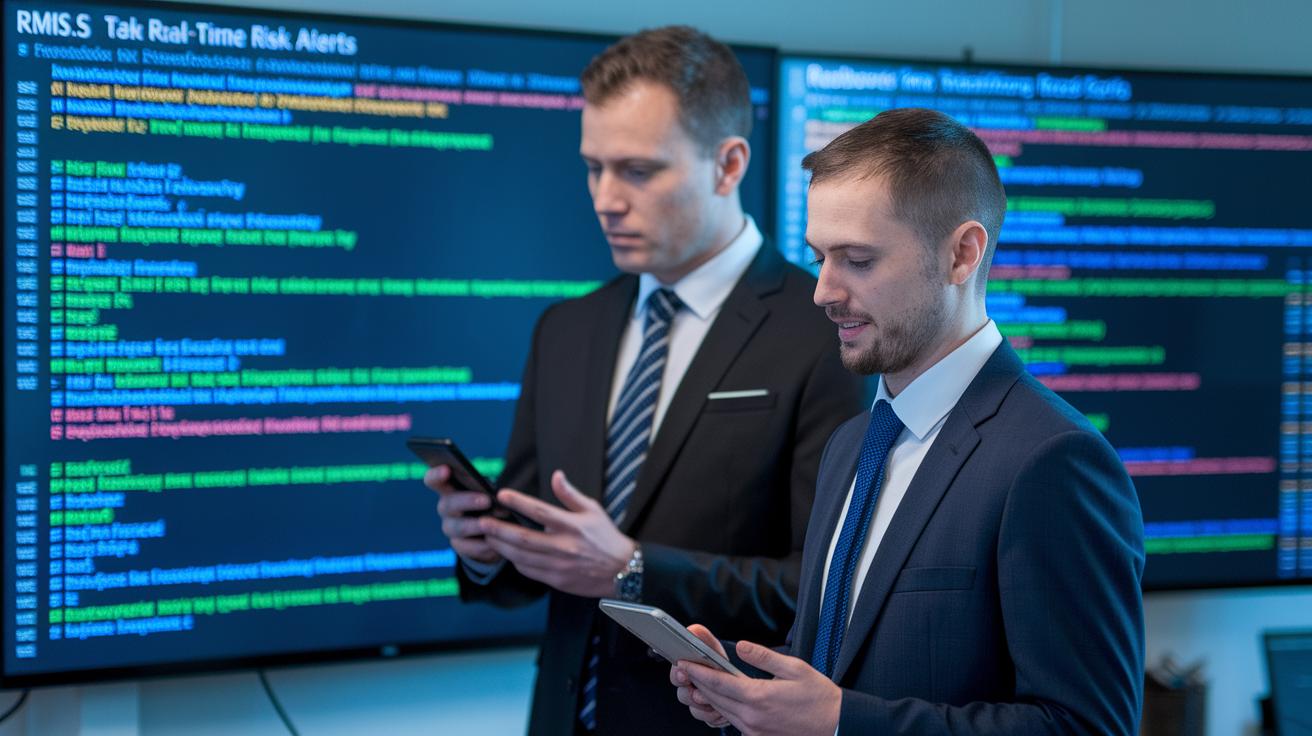
Luttrell Staffing Group was struggling with old manual audits, slow responses, and clunky control systems. They decided to change things up by adopting a risk management framework with an RMIS solution. This new setup automated everyday tasks, cutting down on paperwork and reducing human mistakes with quick, real-time insights.
The system keeps an eye on potential risks and security issues as they pop up. For example, when a small vulnerability showed up in one department, real-time alerts helped the team jump in fast before it became a bigger problem. This way, they could adjust their controls on the fly and avoid major disruptions.
A big plus was how well the new system worked with their existing tech. There was no need for a full IT overhaul because the RMIS blended right in with the tools they already used. With all the data in one place, decision-making got a serious boost, letting them see right away how effective their controls were.
Business continuity also took a big leap forward. They could plan for unexpected events much faster, cut down on audit prep time, and handle security issues more efficiently. Luttrell Staffing Group’s experience shows how a solid risk management framework can streamline processes, improve efficiency, and make a company more resilient.
Best Practices for Continuous Risk Management Frameworks and Future Trends

Continuous control monitoring has truly changed how we manage risk. Gone are the days of just ticking boxes here and there. Now, imagine a live-updating dashboard that keeps you aware of every little detail, from the chance of a problem and the potential losses to how your security spending measures up against others. It’s a bit like watching the stock market update by the second.
Agentic evidence collection makes things even smoother. It keeps a running map of your controls, spots any gaps, and tracks your assets as they change. So, when your system alerts you that something isn’t working right, you can quickly check in and adjust, almost like having a digital helper who nudges you about emerging risks.
In practice, you move away from old, one-time assessments toward a continuous review model. Whether you update your risk management framework yearly or when big changes occur, keeping things current means your defenses stay fresh and strong. This approach works especially well as businesses grow and evolve.
It also helps to speak the language that CFOs and COOs understand by tying cybersecurity risk reporting to financial and operational numbers. That way, everyone, from the boardroom to the security team, can easily see what’s going on.
Finally, embracing new AI risk management frameworks, especially those focused on ethical transparency and security, makes sure your digital defenses are ready for the future.
Final Words
In the action from defining the risk management framework to putting best practices into play, this article breaks things down clearly. It walks through identifying risks, assessing them with both numbers and insight, and even shows a real-world example where automation made a big difference. The guide also sheds light on keeping regulatory checks and staying on top of market trends. Embracing this structured approach can boost confidence and help ensure a secure financial future. Keep moving forward with solid strategies and a positive mindset.
FAQ
What is a risk management framework PDF?
A risk management framework PDF serves as a detailed guide outlining a process to identify, assess, mitigate, and monitor risks. Official organizations like NIST offer downloadable resources for reference.
What is a risk management framework template or example?
A risk management framework template or example provides a pre-structured format to document risk identification, assessment, mitigation, monitoring, and governance. It helps organizations align risk processes with best practices.
What does the NIST Risk Management Framework involve?
The NIST Risk Management Framework outlines a process that includes categorizing systems, selecting and implementing controls, assessing control effectiveness, authorizing use, and continuously monitoring risks.
How do I earn risk management framework certification?
Earning risk management framework certification demonstrates validated expertise in risk assessment, control implementation, and ongoing risk monitoring through formal training programs and examinations offered by industry bodies.
What are the core components of a risk management framework?
Core components typically consist of risk identification, qualitative and quantitative risk assessment, risk mitigation, continuous monitoring, and governance, forming a complete approach to managing organizational risks.
What are the key elements or steps in a risk management framework?
Some frameworks outline seven elements—risk context, identification, analysis, evaluation, treatment, monitoring, and communication—while others adopt a six-step process incorporating similar stages to ensure effective control and oversight.
