Have you ever wondered if your online info is truly safe? Data protection laws work like a strong lock on your digital front door, setting clear rules that companies must follow. They help build trust round every click, like a safety net keeping your personal details secure. In this article, we explore how these rules vary across regions and why protecting your data is so important in our everyday digital lives.
Understanding Data Protection Laws: Scope and Global Frameworks

Data protection laws set out simple rules for handling your personal information. They’re designed to build trust online by making sure companies safeguard your data and respect your rights. In the US, privacy comes from a mix of federal laws. For example, the Privacy Act of 1974 tells government agencies how to gather and use your records, while HIPAA from 1996 sets clear standards for protecting patient health details. Then there’s GLBA from 1998, which guides banks in guarding sensitive customer info, and COPPA from 1998, which helps keep children’s data safe. State laws like the CCPA from 2018 (updated under CPRA in 2020) and new rules in places like Virginia, Colorado, Connecticut, and Utah add even more layers. There isn’t just one rule that covers everything, think of it as a patchwork of over 50 state and federal laws working together.
Over in Europe, it’s a different story. The GDPR applies across all member states, so businesses must follow strict data rules and let you know within 72 hours if there’s a breach. In China, several laws, including PIPL, CSL, and DSL, create the rules you need to know. PIPL makes sure data stays local and manages how information moves across borders, while CSL and DSL focus on keeping telecom and cybersecurity safe.
These varied approaches show us how different regions create their own ways to protect data. If you’re curious for a quick explanation, check out what is data protection or, if you want to see how the UK handles similar issues, visit data protection act 2018. Each region’s rules, US, Europe, and China, offer a unique way to keep data safe and build digital trust.
data protection laws: Strengthen Digital Trust
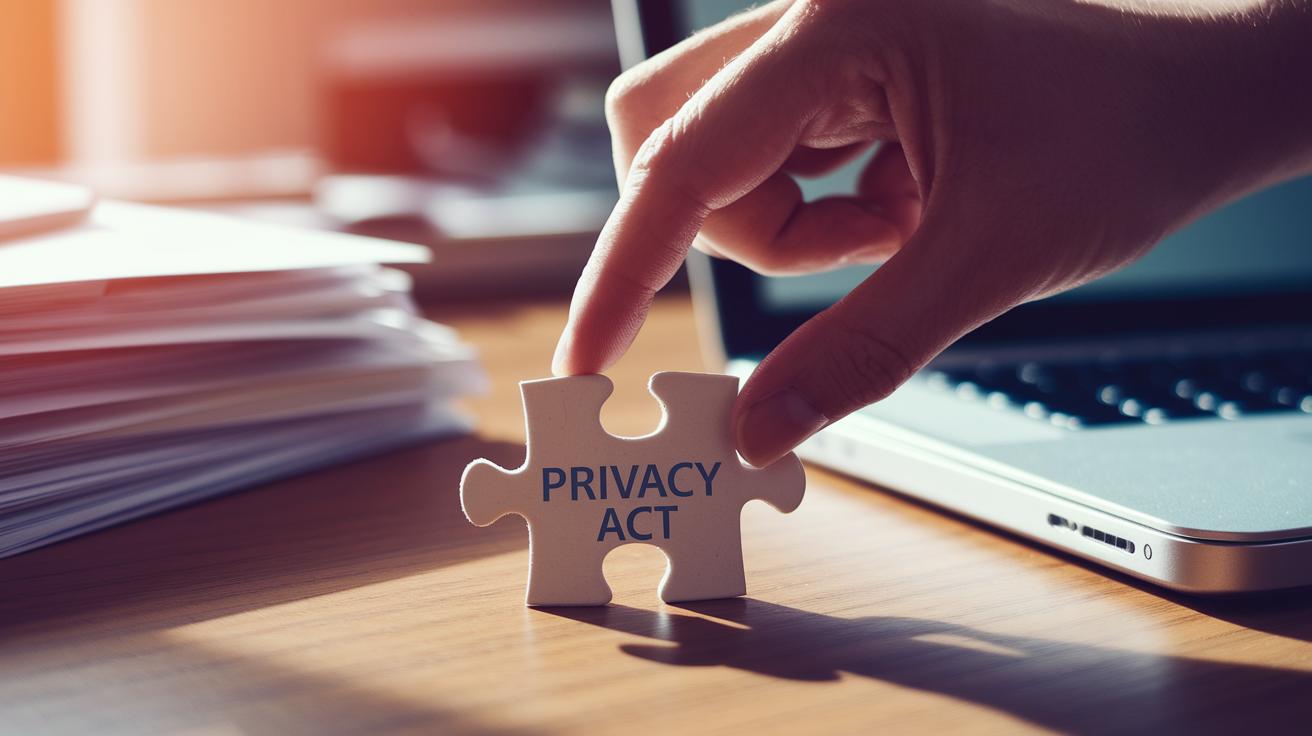
Imagine planning your budget like piecing together a puzzle, each piece, whether it's a federal act or a state law, clicks into place to give you a clearer picture of who controls your data.
Many regions have set up clear rules to protect our personal details and build trust between us and companies. In the United States, we have several key laws that guide how our personal information is gathered and managed. For example, the Privacy Act of 1974 lets you check and correct your records kept by federal agencies. HIPAA, which started in 1996, makes sure health information stays private. Financial institutions follow GLBA from 1998, which pushes them to use privacy notices and strict security programs for sensitive data. COPPA from the same year guards children’s data by requiring parental consent and giving rights to delete unwanted information. More recently, the CCPA, updated under CPRA in 2020, gives Californians power to access, delete, or opt out of their data being sold. Also, new state laws emerging in Virginia, Colorado, Connecticut, and Utah between 2023 and 2024 add even more protections.
Together, these rules create a safer digital space where your personal data is respected and secure. They work like pieces in a puzzle to provide a clear picture of digital trust.
| Law | Year Enacted | Scope | Key Rights |
|---|---|---|---|
| Privacy Act | 1974 | Federal agencies | Review and fix records |
| HIPAA | 1996 | Healthcare providers and plans | Keeps health info private |
| GLBA | 1998 | Financial institutions | Requires security programs and clear notices |
| COPPA | 1998 | Child data online | Needs parental consent and deletion rights |
| CCPA/CPRA | 2018/2020 | California consumers | Rights to access, delete, opt-out, and correct data |
| Emerging State Laws | 2023–2024 | Various states | Expanded privacy protections |
These laws move in harmony to shield your information and build a trusted digital world. Next time you check your data settings online, think of it like assembling a puzzle where every law plays its part in keeping your digital life safe.
Compliance Strategies Under Data Protection Laws

Having a clear plan for data safety is a must for any business. It keeps you in line with current rules, whether you’re following CCPA guidelines or using tools like GDPR Genius, and helps build trust with customers while lowering your legal risks.
Here’s a simple approach:
- Do a data map to figure out exactly where personal data is stored.
- Write easy-to-understand privacy policies and share them with everyone involved.
- Keep your team updated with regular training sessions that cover the latest rules.
- Use automated tools to monitor your compliance and track important data checks.
- Set up a quick-response plan so you can handle any data breaches effectively.
It makes sense to review your plan regularly. Scheduled audits and fresh resources, like white papers, can help spot any problems early. Every check is a chance to update your training and fine-tune your practices, keeping your business ahead of changes and strengthening digital trust.
Impacts of Data Protection Laws on Business Operations and Technology

Data protection laws have changed the way companies work inside and how they offer their services. Rules like GDPR and CCPA show that businesses can face big fines and even lawsuits if they don’t follow the rules. This pressure makes them rethink how they set up their computer systems and design their products. For example, class actions about biometric data or text messages show just how costly privacy mistakes can be. Many companies now use interactive tools that gather past enforcement cases and expert tips to keep an eye on compliance day by day. In truth, managers now work hard to mix new technology with solid safety practices so that privacy is part of the design from the beginning.
Companies are also updating the way they handle risks by building in secure design from the start. IT teams work closely with legal experts to create systems that spot problems early and lower the risks to customer data. This new way of working touches everything from where data is stored and shared to how companies listen to customer feedback in updates. Overall, strong data protection measures have become key to gaining trust and staying competitive in a market where rules and checks keep getting tougher.
Global Trends and Upcoming Developments in Data Protection Laws

Around the world, rules on handling personal data are changing quickly. California is at the forefront with new CPRA rules that focus on AI, which means companies now have to watch out for risks from advanced technology while still keeping your information safe. Over in the United States, the American Privacy Rights Act 2024 has slowed down federal progress, so each state and industry is setting its own rules. In China, the PIPL requires that data stays inside the country to keep better control over transfers. Canada, on the other hand, mixes strong privacy protections with business-friendly options, offering a different way to run privacy laws.
Next, new state laws in Virginia, Colorado, Connecticut, and Utah show that changes are coming soon. These updates will build on what exists now and add fresh rules that match today’s technology and what consumers expect. Think of it like updating your phone’s software, small tweaks can make a big difference in keeping things running smoothly. For example, a company might need to change how it handles data every day, much like downloading the latest app update to stay secure.
Privacy law professionals will need to keep a close eye on these changes. Important dates like the IAPP advisory board deadline on Sept 22, 2026, and the speaker proposals due by Nov 9, 2025, give experts a chance to share ideas and set priorities. These milestones remind us that, as technology evolves, our ways of protecting information must also keep up with the fast pace of change.
Case Studies in Enforcement of Data Protection Laws

Look at some major cases that have changed the way companies handle data. The Illinois Biometric Privacy Act, or BIPA, has pushed firms to lock down fingerprint data. One company even had to pay millions because its weak security let a breach happen. It really shows that skipping proper biometric safety measures can cost a lot.
Next, TCPA lawsuits about text messages remind businesses to be careful. When firms send automated messages that people never signed up for, they can quickly end up in legal trouble. Even a small error in digital outreach might turn into a big issue.
Then there are CCPA breach cases, which prove that not protecting customer information can lead to lawsuits. In one well-known incident, a retailer got hit hard after a data breach. This case pushed many companies to reexamine and tighten their security measures.
The California Invasion of Privacy Act also sends a clear message. Wiretapping cases under this law have forced companies to pay heavy fines and change their practices. Plus, claims under the Video Privacy Protection Act show that companies need to follow privacy laws very closely.
All these examples remind us that keeping data safe is crucial. They show that when companies ignore proper data protection, the penalties can be steep and far-reaching.
Roles and Responsibilities in Data Protection Governance

Building a solid data protection plan starts by knowing who does what. At the center of it is the Data Protection Officer (DPO), a trusted guide who helps the team safely collect and manage data. Resources from the IAPP break down the DPO’s duties, offering simple steps like how to check for privacy risks and set up safe methods for collecting data. Plus, tools like GDPR Genius give clear, expert advice that helps companies make sense of tricky rules and stay on track.
Many organizations add dedicated teams to support the DPO by focusing on training and program development tailored to their industry. Local meetups and advisory board events become a friendly space where professionals chat about privacy standards and share useful tips. These gatherings not only boost skills but also build a strong sense of teamwork and accountability. When every team member understands their role in protecting user privacy, the business can keep its promise of secure data over the long term. Regular training and easy-to-follow guidelines ensure that everyone, from seasoned managers to new hires, works together to maintain a clear and safe data environment.
Final Words
In the action, we reviewed how different regional frameworks like GDPR, CCPA, and HIPAA shape compliance, influence business operations, and guide personal and corporate decisions. We broke down practical steps for building robust compliance strategies and shared real-world case studies that bring the topic to life. The discussion also highlighted the importance of solid governance structures and key roles to keep financial systems secure. Embracing these measures and focusing on data protection laws can boost confidence and pave the way to a secure financial future.
FAQ
Q: What are the data protection laws in the United States, including those in locations like California and Texas?
A: The U.S. uses a mix of federal and state laws for data protection. States such as California have CCPA/CPRA, while federal laws like HIPAA, GLBA, and COPPA also protect specific sectors.
Q: What list of data protection laws exists around the world?
A: Countries have various rules for personal data, such as the EU’s GDPR, China’s PIPL and CSL, and the U.K.’s own version based on the data protection act 2018. Reviews like DLA Piper’s compare global trends.
Q: How do U.S. data protection laws compare with GDPR?
A: U.S. data protection laws rely on a patchwork of sector-specific rules, while GDPR uses a uniform framework that applies across all data handling practices within the EU.
Q: What are the 7 principles of GDPR?
A: The GDPR is built on principles of lawfulness, fairness, transparency, purpose limitation, data minimization, accuracy, storage limitation, integrity with confidentiality, and accountability.
Q: What are data protection and security laws?
A: Data protection and security laws set rules for the collection, processing, and safeguarding of personal information, requiring organizations to maintain proper handling practices and enforce prompt breach notifications.
