Have you ever noticed how the stock market can look bright even when times are tough? Daily trends, whether the market is reaching record highs or bouncing back after a drop, create a clear picture of economic ups and downs. The 130-year journey of stock movements shows repeated cycles that can help guide smart choices.
Today, you can see hopeful signals in these trends. For those who plan carefully and stay ready to adjust, the market offers clues like a clear roadmap, helping you spot good opportunities as conditions change.
Stock Market Trends Radiate Bright Promise
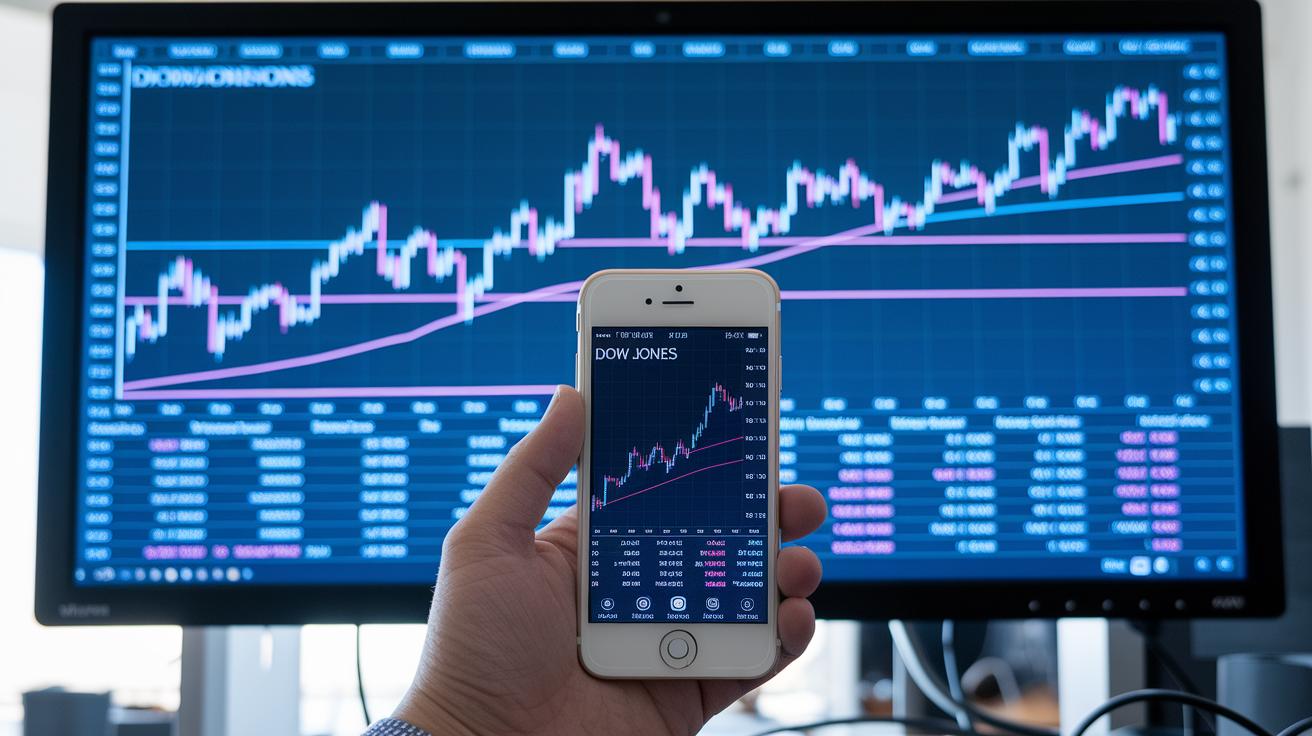
Current market trends offer a clear view into how stocks move and evolve worldwide. The interactive 10-year Dow Jones Industrial Average daily chart, which records each day’s closing price, lets you see the market’s history in a vivid way. If you take a look at the current market trends, you'll notice how today’s data blends into a rich market story that spans more than 130 years. That long view reveals clear cycles where bullish and bearish phases have shifted investor feelings and market strength.
On September 10, 2025, major market indexes reached record highs, helped along by Oracle’s impressive 36% jump. It was a day that showed just how dynamic global finance can be. When you review these trends, you'll see that modern data patterns join forces with long-term cycles to guide smart investment choices and risk management.
Studying these trends helps us understand how economic cycles and investor behavior work together. In truth, as markets shift, they create new opportunities and strategies for managing investments in an ever-changing landscape. This overview shows that stock market trends shine with promise for anyone ready to seize timely investment opportunities and adjust to changing economic currents.
Historical Analysis of Stock Market Trends

Let's dive into the past to see what stock market trends can tell us today. Data shows that recovery times can vary a lot depending on the era. For example, back in 1987, the market (specifically the Dow Jones Industrial Average) dropped about 22% in just a few days but managed to bounce back within a few months. It was like a quick sprint after a marathon.
Recent studies hint that today's market, with news spreading at lightning speed, might see even quicker recoveries. When you compare shifts before World War I to the crashes we’ve seen recently, you’ll notice that earlier downturns took years to mend. These days, rapid policy decisions and improved market setups seem to help markets recover faster.
| Period | Case Study | Recovery Speed |
|---|---|---|
| Early 1900s | Pre-World War I shifts | Years of gradual recovery |
| 1987 | Black Monday drop | Rebound within months |
| 2008 | Global Financial Crisis | Recovery over approximately 18 months |
Mixing these clear-cut numbers with real-world examples gives us a better picture of how past market dips compare to the quick recoveries we see today. Ever noticed how a rush of news can really shift things around?
Technical Signal Assessment in Stock Market Trends

Candlestick charts are a favorite tool among traders because they show the open, close, high, and low prices during a set time. They let you spot patterns fast, almost like reading a fun story in one quick look. For instance, when you see a bullish engulfing pattern, it may be a sign that market feelings are shifting. Have you ever noticed how a sudden jump in volume can hint at a big turnaround?
Next, chart patterns work hand in hand with support and resistance zones. These are the price levels where stocks often change direction or pause. When traders know these areas, they can decide more wisely where to place buy or sell orders. Think of it like following a trusted family recipe: gather your ingredients, mix them well, and you’re set for a great result.
Momentum strategies add another layer of insight. Tools like moving averages make noisy price data smoother so you can see the overall trend. And oscillators, such as the Relative Strength Index, help you figure out if a stock is overbought or oversold, you know, whether there’s too much or too little buying and selling happening. When you spot a sudden rise in trading volume, it shows that more people are paying attention, which can back up these trends. These tools work together to give you clear and useful market clues.
Experts say mixing different indicators is key. Depending on just one is a bit like trying to see the whole picture through a tiny keyhole. By combining candlestick charts, support and resistance levels, and momentum indicators, you get a stronger view of how the market is moving. This teamwork of signals helps point out trend shifts and tells you when it might be a good idea to jump in or step back. It’s like piecing together a puzzle that shows you the bigger, more confident picture during even the wildest market swings.
Sector Performance Insights and Emerging Stock Market Trends
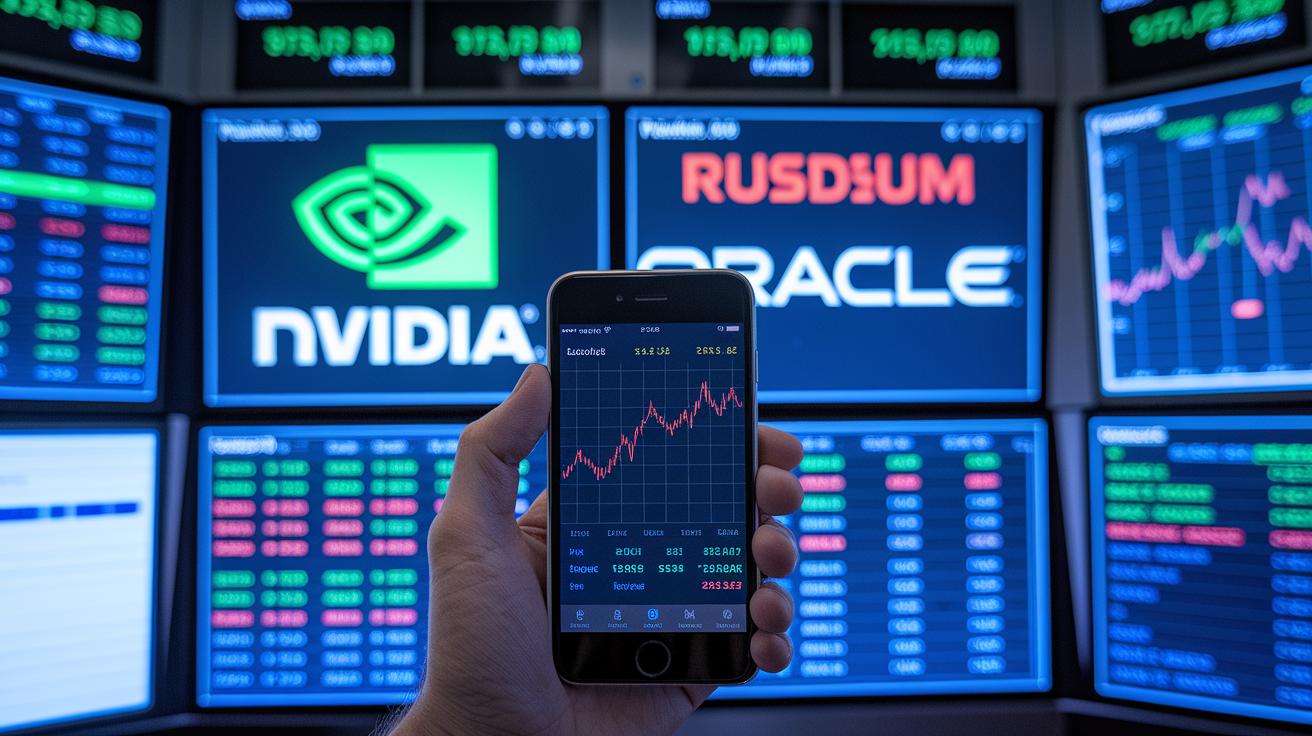
The market is shifting, and you can see different sectors playing unique roles. AI stocks like Oracle and Nvidia are stealing the spotlight with their creative tech advances. Investors love their innovative edge, and the fast pace of change really affects the overall picture. At the same time, renewable energy companies such as GE Vernova are drawing attention. People are excited about green energy trends and government policies that support them. In truth, this change reflects a larger global move toward sustainability.
Amazon is still going strong in the e-commerce world, proving that blending old-school retail ideas with online strategies works really well. It’s like mixing the best of both worlds, tech innovation, green energy, and modern retail, all creating good chances for growth.
You might notice that the balance of sectors is shifting between major indexes like the S&P 500 and the Nasdaq. For example, the S&P 500, which normally covers a broad range of industries, now shows more tech companies. The Nasdaq, on the other hand, is even tighter in its focus on innovative tech and new digital services. These moves change the mix of risk and reward, so investors keep a careful eye on these trends.
Investors often check these sector snapshots to catch changes early. They look at how different industries react to world events and then use that insight to tweak their portfolios. It’s a smart, simple way to spot new growth areas and see how various sectors team up in today’s lively market.
Economic Indicator Insights for Stock Market Trends
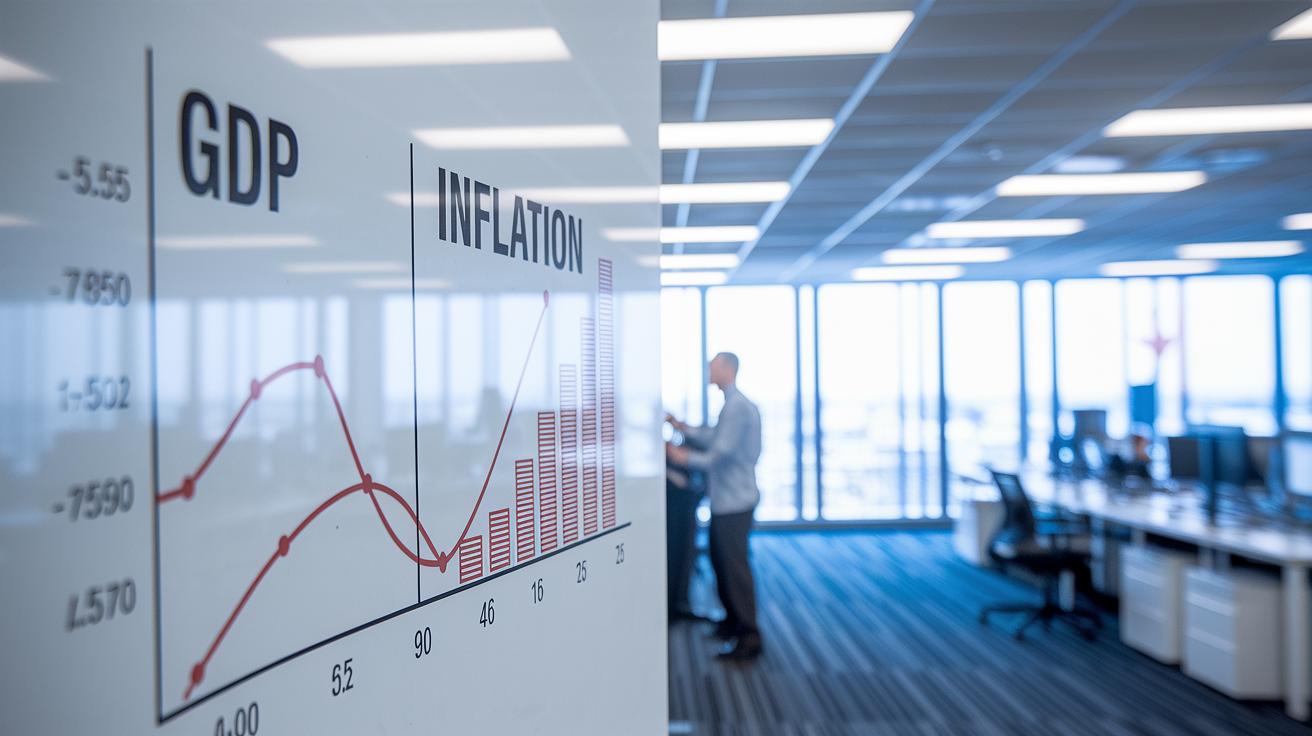
GDP, inflation, and unemployment numbers help paint a simple picture of market ups and downs. Experts often check yearly GDP growth data to see how a country’s overall output influences investor feelings. When GDP grows, it usually means the economy is in good shape, which lifts traders’ spirits. But if inflation rises, it may push interest rates up and make everyone more cautious. This mix of data shows when the market might tighten up or swing more broadly.
Inflation figures and unemployment rates work together to tell us how much people are spending and how well businesses are doing. Many investors watch economic calendars for key announcements that steer market trends. If unemployment drops, it often builds confidence in long-term growth. On the other hand, a sudden spike in inflation can worry people by cutting into consumer buying power and causing short-term jitters.
Fed rate announcements and periods of quantitative easing (where the Fed injects money into the economy) add another layer to this balance. When the Fed signals a change, investors often tweak their strategies right away. These policy moves can smooth out sudden market shifts or sometimes add fuel to more dramatic swings by boosting liquidity. All these insights together make it easier for anyone keeping an eye on the trends to spot changes early and plan ahead.
Forecast Modeling Techniques for Stock Market Trends

Forecast models for predicting market trends blend hard math with real-world testing. For example, moving-average crossovers compare short-term price trends to longer-term averages to signal when the market might shift, kind of like noticing the sun peek out after days of gray skies. This simple method helps investors decide when to buy or sell.
Momentum strategy backtesting takes a look back at times when prices made strong moves and simulates trades under those same conditions. Imagine taking a test drive in a car to fine-tune its performance. By replaying historical data, you can see if these signals reliably led to profitable trades.
Regression-based trend models apply basic statistics to understand how different factors might affect future prices. In plain terms, these models check for links between market conditions and outcomes. Running these models on lots of past data helps traders feel more confident about their predictions.
Experts point out that even a small boost in the strength of these signals can make a big difference in future trade forecasts. Combining number-crunching with practical experience gives investors a well-rounded view of how stock trends might change over time.
Tools and Real-Time Tracking of Stock Market Trends
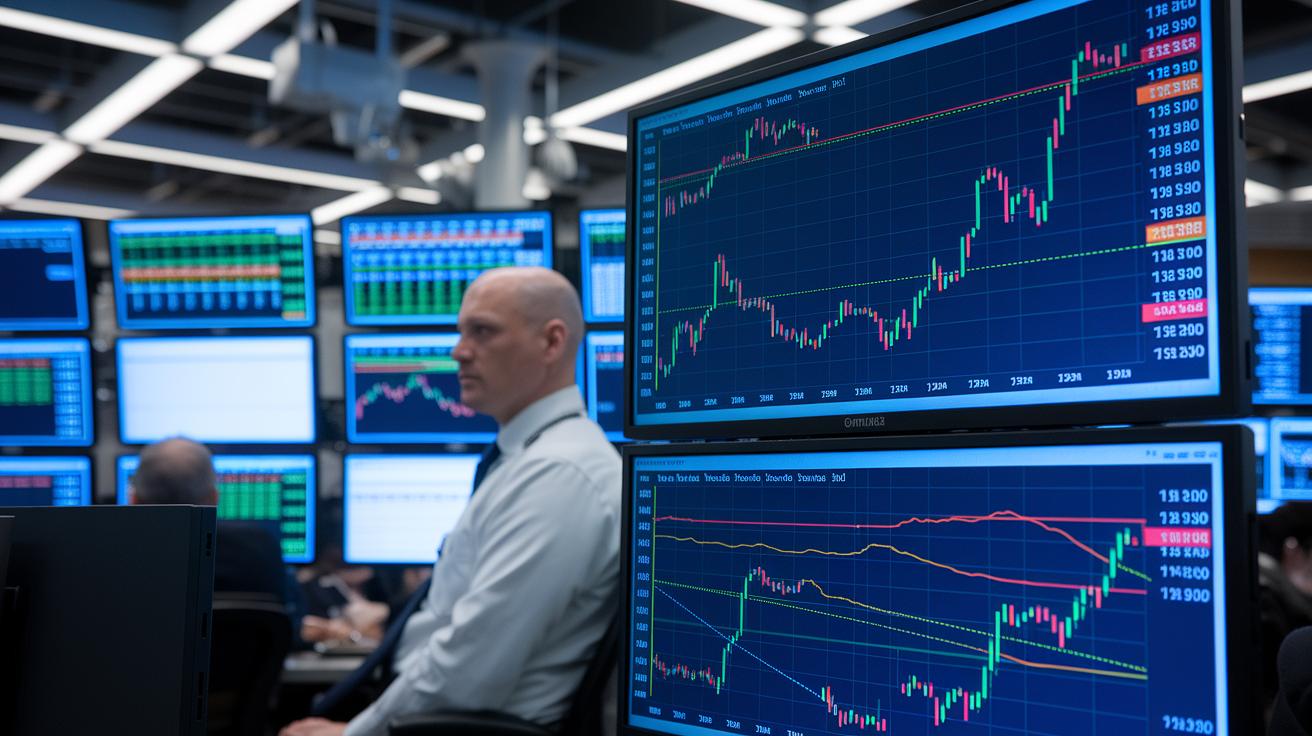
Dashboards give you a clear look at live exchange updates with non-stop feeds showing index movements. Traders can watch price changes as they happen, which makes it easy to recognize trends as they form. Often, these platforms have interactive graphs where each little peak or drop tells a story about trade volume and how people feel about the market. For instance, you might find a red export button that lets you download CSV data so you can review past movements yourself.
Economic calendars bring extra clarity by listing important announcements and events that can influence stocks. Stock screeners, with built-in buy-zone markers, help investors find the information that fits their strategies. Tools like these turn market data into easy insights and give you the power to make smart choices.
Many platforms also offer extra learning spots through podcasts and workshops that focus on market trends. This mix of simple visuals and hands-on learning means you stay updated all session long while growing your market know-how. And if you’re serious about keeping ahead, checking the latest live updates on market news today is a savvy idea.
These digital tools make tracking market trends in real time both approachable and useful, turning dense data into a friendly experience that boosts investor confidence and helps you plan smarter.
Final Words
In the action were deep dives into historical cycles, technical signals, and emerging sector performance that shape stock market trends. We touched on how macroeconomic indicators steer market shifts and previewed forecast models used in predictive analysis. Practical tools and real-time tracking resources were shared to keep your financial insights fresh. Every bit of information builds a clearer picture of market dynamics, empowering smarter decisions for a secure financial future. Keep these insights in hand as you continue exploring the complex pulse of stock market trends.
FAQ
What do stock market trends today indicate?
The stock market trends today indicate current buying and selling patterns and overall market sentiment. They reflect real-time movements across various indexes and provide valuable context for short-term decision-making.
How do stock market trends this week and their graphs help?
The stock market trends this week and accompanying graphs show short-term price movement patterns. They help identify momentum shifts, making it easier to understand market sentiment over the past few days.
What does a live stock market chart reveal about the U.S. market?
A live stock market chart reveals up-to-the-minute changes in the U.S. stock market. It displays real-time price updates and trends, offering a clear snapshot of market performance throughout the trading day.
What is the current trend of the stock market?
The current trend of the stock market shows whether prices are generally rising, falling, or steady. It is determined by a variety of indicators that assess overall market momentum and investor sentiment.
Should I pull my money out of the stock market?
The decision to pull money out depends on your individual financial goals and risk tolerance. Market trends provide context, but personal investment choices should be made with careful analysis or professional advice.
What is the 7% rule in stocks?
The 7% rule in stocks is a guideline suggesting a typical long-term return rate based on historical market performance. It provides a benchmark for expected gains, though individual results can vary.
Are stocks going up or down right now?
Whether stocks are going up or down right now depends on real-time market data. Current movements can be observed through live updates, though short-term fluctuations may not reflect overall long-term trends.
