Hundreds of millions of dollars’ worth of digital assets have vanished in minutes thanks to a handful of high-profile crypto-exchange hacks. From Mt. Gox’s 2014 implosion to KuCoin’s 2020 breach, each disaster sends the same message: if you leave coins on an exchange, you’re trusting someone else with your financial future. This MSN-style rundown revisits the four biggest heists on record, explains what went wrong, and—most importantly—shows you how a simple hardware wallet can put you back in control. Because in crypto, the golden rule still applies: not your keys, not your coins.
KuCoin’s $150 Million Wake-Up Call

It took just a few hours in September 2020 for hackers to drain roughly $150 million in Bitcoin, Ether, and ERC-20 tokens from KuCoin’s hot wallets. The exchange acted fast, freezing deposits and withdrawals and working with blockchain projects to blacklist stolen funds, but the damage was done. Investigators traced the breach to compromised private keys stored on an internet-connected server, a stark reminder that "hot" wallets are only as secure as the network they sit on. KuCoin ultimately reimbursed users in full, but the incident proved that even modern, well-audited platforms can become one click away from catastrophe.
Mt. Gox: The Collapse That Shook Bitcoin

Long before Bitcoin became mainstream, Mt. Gox handled over 70 percent of global BTC trades. Then, in early 2014, the Tokyo-based exchange went dark, reporting that 850,000 BTC, worth about $460 million then and tens of billions today, had disappeared. Subsequent investigations revealed years-long security lapses: unencrypted wallets, lax auditing, and malware that siphoned coins undetected. The collapse vaporized user funds, triggered legal battles still unfolding, and sent BTC’s price into a nosedive. More than any other event, Mt. Gox cemented the lesson that centralized custodianship is a single point of failure in an otherwise decentralized ecosystem.
Coincheck: $534 Million Gone Overnight

In January 2018, Coincheck lost 523 million NEM tokens valued at $534 million, eclipsing Mt. Gox in dollar terms. The culprits exploited another hot-wallet vulnerability, reportedly planting malware via a spear-phishing email to employees. Because NEM’s blockchain lacks smart-contract freezes, tracking the stolen coins became a global cat-and-mouse game involving exchanges, law enforcement, and volunteer analysts. Coincheck ultimately reimbursed victims using its own capital but faced strict regulatory scrutiny from Japan’s Financial Services Agency. The hack showcased how even compliant, licensed exchanges can underestimate operational security, especially when customer convenience nudges them toward always-online storage.
BitGrail and the Nano Nightmare

Italian exchange BitGrail specialized in trading Nano (then called RaiBlocks) until February 2018, when 17 million Nano, worth $196 million, vanished. Founder Francesco Firano blamed a protocol bug; Nano’s developers pointed to BitGrail’s flawed wallet management. Courts later declared the exchange bankrupt, seizing Firano’s assets to repay users. The fiasco highlighted a unique risk: smaller exchanges often lack the layered defenses, insurance, or capital reserves of their larger peers, yet they still hold life-changing sums. For many investors, BitGrail was the final push to abandon exchange wallets altogether and seek self-custody solutions.
Keeping Your Coins Safe: Hardware Wallets 101
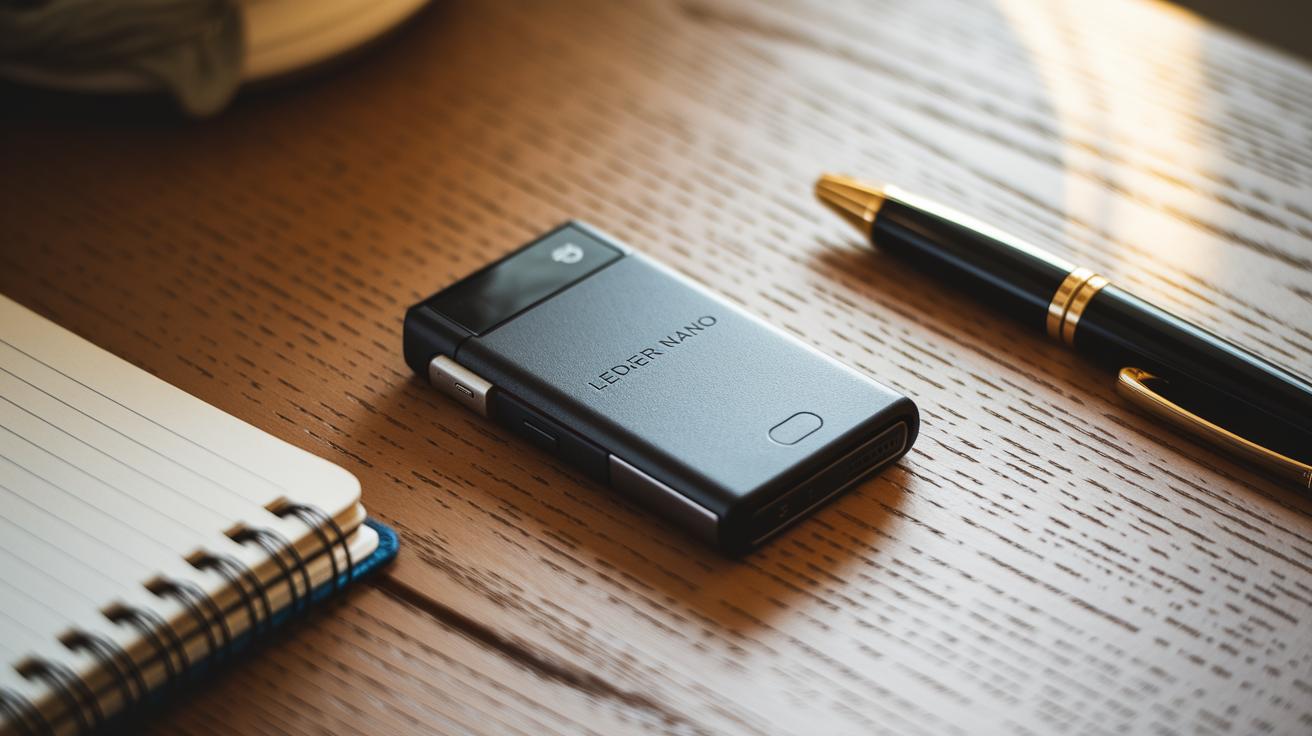
So how do you avoid becoming the next cautionary tale? Step one: control your private keys. Hardware wallets like the Ledger Nano S or Nano X generate and store keys offline, inside a tamper-resistant chip that never exposes them to the internet. Transactions are signed inside the device and only the signature, not the key, touches your computer or phone. Add a passphrase, enable multi-factor authentication, and keep your seed phrase in a fire-proof safe, and you’ve slashed your attack surface dramatically. It’s a modest upfront investment that buys the one thing no exchange can guarantee: absolute sovereignty over your money.
