Ever wonder if skipping on risk management could cost you dearly at the worst possible moment? Imagine a smart safety net that spots hidden issues before they become major problems. These tools send you real-time alerts and show you clear, simple data displays, so you see risks right away. They work like an early warning system, using smart analytics to catch trouble before it escalates. With these insights, companies can act fast and confidently, boosting overall trust and energy in the business.
Comprehensive Overview of Risk Management Tools

Risk management tools are software platforms that help businesses keep an eye on potential issues in projects, finance, and daily operations. They gather important data so teams can see real-time updates and act before problems get out of hand. For example, picture a dashboard that instantly shows any incident as soon as it happens.
These tools come in many shapes and sizes. Some are built for big companies, while others focus on specific risks like financial worries, issues in daily operations, or problems with vendors. They bring all key risk information together on one screen, making it easier for managers to spot, understand, and quickly tackle any issue. This means less time spent on manual data collection and more time addressing the root causes.
With a clear, centralized view and timely alerts, these platforms let organizations adjust to changing conditions with ease and confidence. By combining smart analytics with cloud-based updates, they help businesses stay on top of risks and keep operations running smoothly. In simple terms, risk management tools not only streamline your work but also build trust by handling challenges in a straightforward and efficient way.
Enterprise Risk Management Platforms for Connected Insights

Risk management platforms connect risk events from different departments into one easy-to-use hub. They use clear, real-time dashboards that help teams spot issues as they occur. For example, AuditBoard gathers information from scattered sources to offer a 49% deeper view of risk, while Jira helps catch problems early so they don't get out of hand. This kind of connection turns old methods into a smooth, dynamic process that leads to smarter decisions.
GRC solutions build on this by pairing risk monitoring with policy management, control testing, and audits, all while keeping up with regulations. They create a secure spot where information flows smoothly, letting you check internal controls and meet compliance without juggling different systems. ServiceNow, for instance, keeps asset data updated every minute. And with risk assessment tools, these platforms provide deeper insights that make risk tracking both reliable and efficient, which is a big help for busy teams.
The key is data integration. Powerful tools like Snowflake bring together extensive business data, while Workday adds HR numbers to create a complete picture of risks. This seamless collaboration across teams and the ability to scale up as your business grows transforms isolated data into clear, actionable insights that drive continuous improvement.
Automated Risk Assessment Tools to Streamline Evaluations

• FlowForma is a no-code platform that uses an AI helper to automate processes. It makes checking risks feel smooth and easy, just like having a smart assistant on your side.
• Nintex is built to speed up your workflow while giving you real-time analytics. With this tool, you see your risk data as it changes, keeping everything current and clear.
• Kissflow gives you the power to create your own approval flows and risk scoring. This means each risk factor is tracked in a way that works best for your team.
• Appian offers a low-code app builder with dashboards that show risk assessments in clear visuals. It turns complicated data into simple charts you can understand at a glance.
• Airtable brings a spreadsheet-like interface that makes keeping risk registers neat and organized. Imagine managing your risks as easily as managing a familiar Excel sheet.
• Creatio delivers full process automation with helpful modules that meet compliance needs during risk reviews. It’s like having a safety net to ensure your processes stick to the rules.
• CyberSaint focuses on cybersecurity and uses AI-driven insights to quickly spot potential threats. It’s there to help you catch issues before they become big problems.
• ProcessMaker is a business process management tool that carefully tracks incident details. It makes sure every risk event is recorded and never overlooked.
• LogicManager works as a GRC (governance, risk, and compliance) platform designed with special tools to handle vendor risks well. It simplifies a complex process so you can stay in control.
• Archer stands out with its advanced reporting and comprehensive audit options. It supports compliance and gives you detailed insights into your risk landscape.
When choosing a risk assessment tool, look for one that offers real-time analytics so you can spot changes as they happen. Customization matters too – your tool should fit your team’s unique needs and blend smoothly with your current processes.
Robust reporting and the ability to grow with your business are key. This means you won’t have to switch systems as your operation expands. In today’s competitive market, smart risk tools can really boost your confidence by ensuring risk evaluations are both accurate and efficient.
The right tool takes the focus off paperwork and lets your team prioritize important, profit-driving decisions. It’s like shifting from busywork to thoughtful, proactive management that really makes a difference.
risk management tools Spark Business Confidence
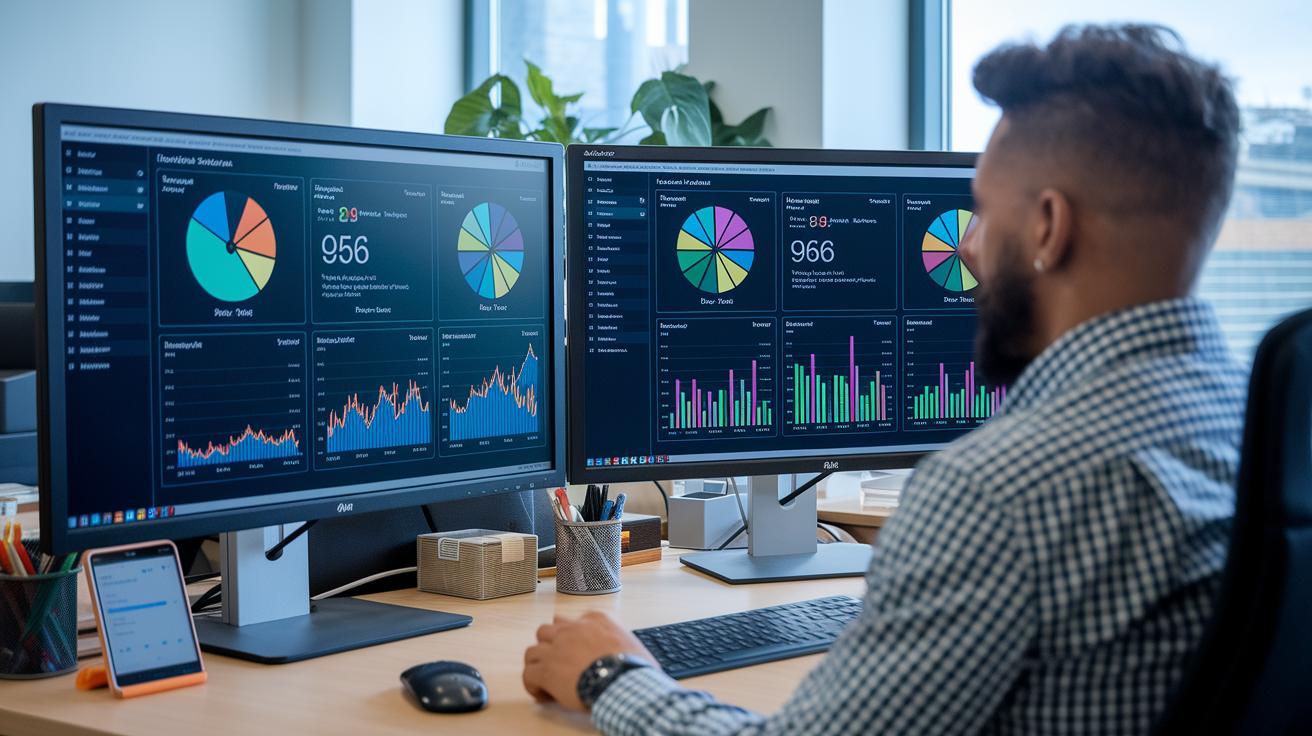
Project management software is now more than a simple task tracker. Today’s tools come with built-in risk features that help spot potential issues early. For example, apps like ProjectManager, Monday.com, and nTask include risk registers that record details such as impact, how likely an issue is to occur, and its priority. They monitor risks in real time and send automatic alerts if project costs or schedules change, giving teams a chance to fix problems before they grow.
Platforms like Microsoft Project, StandardFusion, Resolver, and Wiz also use automated alerts to boost project control. Instead of checking constantly, these tools notify users when something shifts unexpectedly, like a cost increase or a delay. This helps project managers and team members stay focused, as they get up-to-date risk information without extra manual work.
By integrating these capabilities into project management software, teams can enjoy smoother workflows and quicker resolutions. Moving away from messy paperwork to clear, automated alerts means everyone collaborates better. When risk data is visible right away, projects stay aligned with their goals, and every team member can make smart, timely decisions.
Industry-Specific Applications of Risk Management Tools

In supply chain management, risk tools now give you a complete look at everything, from shipment delays to checking the reliability of your partners. Imagine a system that watches every step of your supply chain and sends out an alert if there’s even a small hiccup. These tools have special modules that track disruptions and measure how well third-party vendors are performing, so you always know the overall health of your supply chain. This quick detection of risks helps businesses keep their operations steady and costs in check.
In healthcare, these risk management tools are all about safety and following strict rules. They include incident management apps that keep an eye on events almost in real time, along with dashboards that show key patient data continuously. Picture a nurse glancing at a screen that highlights important patient details, making it easy to act fast if something doesn’t look right. This kind of setup not only helps hospitals meet regulatory guidelines but also creates a safer environment for every patient.
When it comes to cybersecurity, risk management tools offer a thorough IT checkup by scanning for weak spots, automating control processes, and using AI to model potential threats, AI, in case you’re wondering, is a smart tool that learns and predicts risks. It’s like having a digital guard that constantly monitors your systems for vulnerabilities before anyone has a chance to exploit them. With easy-to-read dashboards and precise technical checks, these tools help teams quickly understand the level of risk so they can take action right away. With this support in place, organizations can confidently spot and reduce threats to their digital assets.
Selecting the Ideal Risk Management Tool for Your Organization

Begin by looking at your business's risk landscape and figuring out what you really need. Think about must-have features like real-time analytics for quick info, compliance support for meeting rules, and smooth integration with your current systems. It’s like planning your favorite meal; you note down every ingredient before you start cooking. Imagine checking off items on a shopping list to make sure nothing is forgotten.
Next, chat with key team members to see if the tool is easy to use and can grow with your business. Listen to different departments as they share their ideas about challenges and must-haves. Picture a friendly meeting where everyone explains what they need in simple words. This way, you're sure to pick a tool that fits naturally into your everyday work while ticking all the technical boxes.
Finally, think about the overall cost, including things like licensing fees and training costs. It also helps to try out a free trial or pilot test before you make a full commitment. Kind of like tasting a new dish before deciding to add it permanently to your menu.
Final Words
In the action, this article broke down key risk management tools and showed how different platforms work together, from centralized dashboards to real-time alerts. We examined everything from ERM systems to automated risk assessments and integrated project management features across various industries.
Each section offered practical insights and clear steps to evaluate options. Remember, using effective risk management tools can boost financial confidence and help shape a secure future.
FAQ
What risk management tools are available?
The risk management tools available cover a range of solutions—from automated risk assessment software and enterprise risk management platforms to specialized modules for cyber security and trading—designed to identify, evaluate, and reduce risk.
Are there free risk management tools or PDF guides available?
Free risk management tools and downloadable PDF guides exist online, offering practical frameworks and tool lists that help businesses understand and implement risk mitigation without significant upfront costs.
What are the five basic techniques or the 5 R’s of risk management?
The five basic techniques involve identifying, evaluating, mitigating, monitoring, and reviewing risks. These are sometimes known as the 5 R’s—recognize, reduce, remove, retain, and transfer—to ensure complete risk control.
What are the three tools commonly used to assess risk?
The three key tools typically include a centralized dashboard for real-time monitoring, automated analysis software for risk scoring, and integrated systems for compliance audits and reporting, all aimed at providing actionable insights.
Which risk management tools are widely recognized in the industry?
Widely recognized risk management tools include robust enterprise platforms like AuditBoard and Archer that centralize risk data, offer automated assessments, and deliver real-time alerts for comprehensive risk analysis.
How do risk management tools function in trading and finance?
In trading and finance, risk management tools allow investors to monitor market fluctuations, analyze exposure, and fine-tune strategies using real-time dashboards and automated alerts for smarter decision-making.
What risk management tools are popular in cyber security?
Cyber security risk management tools rely on AI-driven threat detection, vulnerability scans, and automated controls to continuously safeguard digital assets and protect organizations from emerging cyber threats.
