Ever thought a quick check might save you a lot of trouble later? Think of risk assessment as giving your car a quick once-over before a long drive.
By spotting problems early, judging how serious they might be, and setting up simple fixes, you can avoid big issues later on. These easy steps help make your workplace, online systems, and finances safer and work more smoothly. This article lays out each step so you can build reliable safeguards, much like following a trusted recipe for a smooth journey.
Comprehensive Overview of Risk Assessment Procedures

Risk assessment procedures are a practical way to spot and handle hazards that may cause harm in many areas like health, safety, cybersecurity, and finance. They help teams catch problems early, which means clearer and quicker actions to keep everyone safe. Imagine it like checking your car before a long drive; these assessments make sure everything is in tip-top shape, whether you’re working in a busy office or managing digital systems.
The process breaks down into three simple steps. First, you look for any possible risks. Next, you think about how likely these risks are and how bad they might get. Finally, you put preventive measures in place to lower the chance of trouble. Often, experts refer to handy guides to fine-tune this process so that every step fits just right, keeping the whole procedure smooth and reliable.
Risk assessment procedures bring real benefits like preventing accidents, making the best use of resources, and guiding smarter decisions. By following these steps, organizations cut down on unexpected costs and create a safe, steady environment. And much like following a recipe, when you mix the right ingredients in right amount, you get a balanced and secure outcome every time.
Planning and Preparation for Risk Assessment Procedures

Before you get started, make sure you have a clear plan that explains what you’re working on and why. This first step helps you pick which risks need checking and what results you want. Think of it like planning a safe road trip where you mark all your stops and the route you’ll follow. Setting up a schedule now keeps everything on track.
Having the right people and tools makes the work smoother. It means giving out clear roles, so everyone knows what to do and understands how their efforts make the workplace safer. Using checklists for audits and broader company planning can really help here. Even small teams find that open conversation lays a strong foundation for success.
You must also check that you’re following all the rules. Detailed reviews help you stick to important guidelines like those from OSHA and the EPA. In other words, meeting these legal checks ensures your process is both effective and safe. Regular reviews can catch any missed details right from the start.
Step-by-Step Risk Assessment Procedures
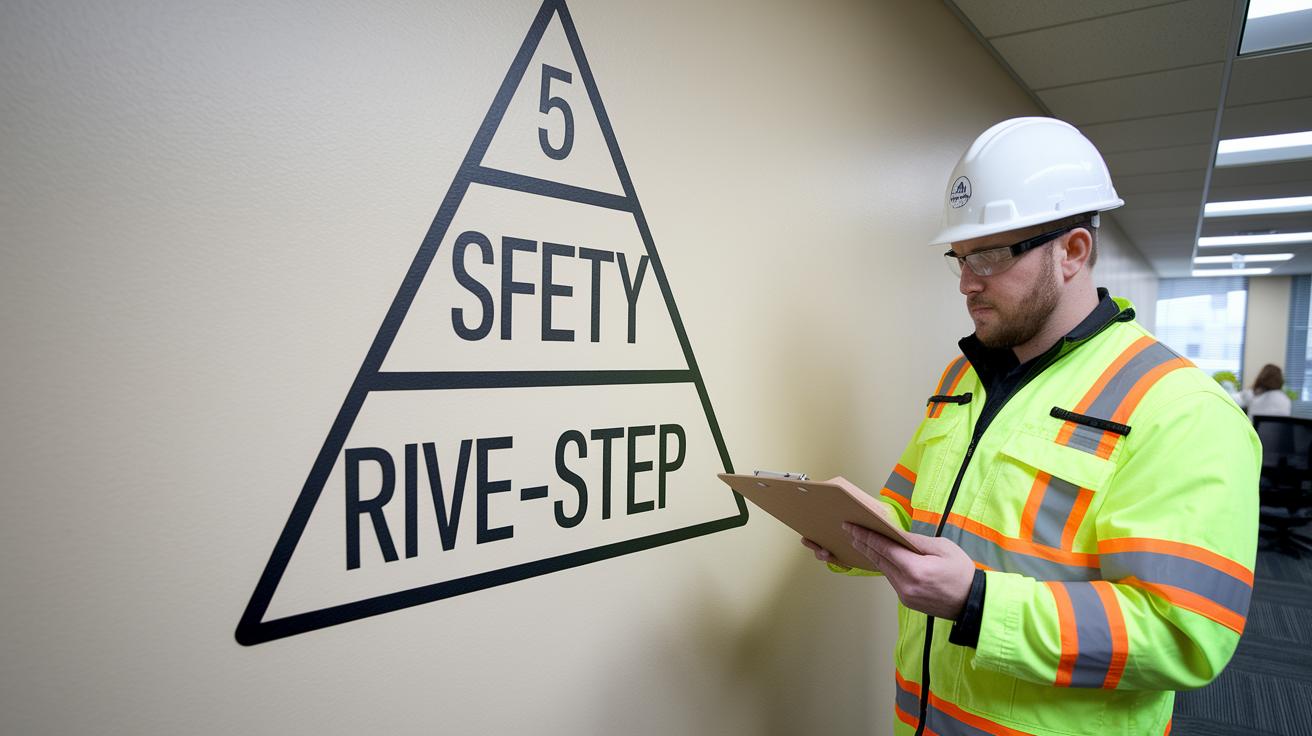
Think of a solid risk assessment process as your personal roadmap, it helps you spot and tackle potential hazards step-by-step. This five-step plan makes sure every issue gets the attention it needs. It splits the work into clear, manageable parts where you mix hands-on checks with regular reviews. Basically, you’re able to catch risks early and update your procedures as conditions change, much like doing a careful home safety inspection where every detail matters.
| Step | Purpose | Key Actions |
|---|---|---|
| Identify hazards | Find risks that may harm people or property | Walkthroughs, visual inspections, reviewing incident reports |
| Determine who might be harmed and how | Figure out which people or systems could be affected | Review roles, check access points, study past incidents |
| Evaluate risks and decide on precautions | Judge how likely each risk is and how serious it could be | Look at frequency and impact, then choose safety measures |
| Record findings | Keep a detailed record of risks and steps to fix them | Write reports, store data, and meet legal rules if you have more than five team members |
| Review and update assessments | Keep your risk evaluation current as situations evolve | Set review dates, update precautions, and add new information |
Keeping detailed records is a must, especially if your team has over five people. Regular reviews not only help keep your files accurate, but they also let you adjust your risk controls when new hazards pop up or when conditions shift. This clear, step-by-step approach makes sure your risk management stays sharp and effective, even as the environment around you changes.
Risk Assessment Procedures: Key Tools and Techniques

Picking the right risk assessment techniques is a bit like choosing the perfect tools for a home repair job. You need methods that show you clearly how likely a risk is and how hard it might hit, all without drowning you in technical details. This straightforward approach makes it easier to face challenges, whether you're dealing with digital security or running a factory.
Here's a look at some essential tools:
- Risk matrix
- Fault tree analysis
- HAZOP
- FMEA
- Scenario analysis
- What-if analysis
- Hierarchy of Controls
Each tool offers its own advantage. For instance, a risk matrix lets you map the chance of a risk against its potential impact in a clear, visual way, which makes it simple to spot where extra caution is needed. Fault tree analysis is much like following clues to figure out what could break down in a system. HAZOP examines when things stray from normal operations, while FMEA helps rate potential failures so you can decide where to beef up your safeguards. Scenario and what-if analysis allow teams to plan ahead for different outcomes, keeping everyone ready for surprises. Finally, the Hierarchy of Controls gives you a step-by-step plan to reduce or even remove risks.
It’s key to tailor these tools to the specific needs of your field. Whether you’re focused on safeguarding digital data or managing job-site hazards, using a mix of simple threat analysis and clear, number-based models makes it easier to tackle risks fully and effectively.
Compliance and Regulatory Risk Assessment Procedures

Organizations must follow tough rules set by groups like OSHA and the U.S. EPA, which help keep work areas and the environment safe. These rules lay out clear standards everyone must meet. When companies stick to these standards, they reduce risks and show both employees and clients that safety and environmental care are top priorities.
It’s important to regularly check that every part of the operation follows these safety rules. By doing thorough audits, companies can be sure they’re doing things right and making improvements where needed. Regular reviews also create easy-to-understand records, which helps keep things fair and accountable in every department.
In our digital world, following IT guidelines is just as important. Regular system checks, data privacy reviews, and network tests protect sensitive information. When companies include these IT checks in their routine, they catch potential problems early and keep their online spaces secure. This careful monitoring not only meets regulatory demands but also builds trust across the board.
risk assessment procedures Made Simple

When you're planning risk assessments in different areas, using methods like safety hazard analysis, cybersecurity threat analysis, and environmental control strategies makes things easier to understand. Tailoring these approaches to each field helps you make clear decisions and offers strong protection.
Health and Safety Procedures
Using safety hazard analysis along with Job Safety Analysis lets teams spot workplace dangers and decide on the best control measures. Pairing these methods with smart environmental control strategies helps reduce risks and keep everyone safe.
Cybersecurity Procedures
By adding cybersecurity threat analysis to network vulnerability checks, you can better protect your digital assets from breaches. Regular checks and clever anomaly detection keep the online space safe and help you act before problems occur.
Financial Procedures
In finance, a strong audit framework teamed with quantitative risk modeling sharpens how you assess risk for better investment safety. This method uses insights from safety hazard analysis and environmental control strategies to protect resources and make financial tasks run smoother.
Overall, mixing insights from safety hazard analysis, cybersecurity threat analysis, and environmental control strategies builds a risk management system that stands strong. These tailored approaches show that focusing on each sector can simplify complex risks and protect operations. Regular reviews with added threat analysis and control strategies only make security stronger.
Continuous Monitoring and Review of Risk Assessment Procedures

Keeping a close eye on risks is essential to ensure that our risk checks continue working efficiently. When teams check in regularly, they can quickly notice any changes in their work environment and make sure that all safety measures stay strong. Using smart fixes like design tweaks and alert systems means we can address unexpected issues fast. This regular attention helps spot problems early, so they don't get worse. It’s like having a steady heartbeat that keeps our risk plan strong.
Regular check-ups add much-needed structure to this process. With periodic reviews, organizations can measure outcomes using simple performance metrics and see how they match up with their risk goals. These planned reviews make sure that the safety methods continue to work well, even when conditions change or new challenges appear. By keeping things updated with a regular cycle, teams maintain fresh and effective risk checks that build a flexible and resilient safety system.
Final Words
In the action, this article broke down the core process of risk assessment procedures, from identifying hazards to reviewing control measures. It explained how planning, step-by-step methods, and sector-specific adaptations help simplify complex financial and safety challenges. The post also highlighted the benefits of continuous monitoring and staying compliant with legal standards. Embracing these solid practices can boost your confidence and guide you toward smarter investing and secure financial planning. Enjoy applying these insights to strengthen your financial decisions!
FAQ
What is the meaning of risk assessment procedures?
The risk assessment procedures meaning refers to a structured process for spotting hazards, evaluating their likelihood and impact, and defining actions to reduce potential harm in various industries.
Who should perform a risk assessment?
The risk assessment should be performed by trained professionals familiar with industry standards, including experts in health, safety, cybersecurity, or finance, who can identify and address sector-specific hazards.
What are some examples of risk assessment procedures?
The risk assessment procedures examples include hazard identification surveys, likelihood and impact analyses, safety audits, and the documentation of control measures used across sectors like health, finance, and IT.
Where can I find PDF resources for risk assessment procedures and step guides?
The risk assessment procedures PDF resources offer detailed documents that outline step-by-step processes, including hazard identification, risk evaluation, control measures, and recommendations for continuous review.
What is the 5-step process and what are the key risk assessment methods, including the 5 C’s?
The 5-step process involves identifying hazards, determining who might be harmed, assessing risks, recording findings, and reviewing regularly, while key methods such as the 5 C’s promote a clear, structured approach to risk evaluation.
