Ever thought that a plan which looks safe might hide some surprises? Risk assessment tells you how to check for problems before they become big issues.
In this article, we break everything down into easy, clear steps. You'll learn how to notice potential bumps in the road and plan moves that keep your projects secure.
Stick with us, and we'll show you how to build plans that are both smart and safe every time.
Risk Assessment Definitions: Clear Concepts for Mastery

Risk assessment is a way to spot, study, and judge risks that come with a project or an activity. It helps you see possible problems so you can set up steps to avoid or lessen any harm. For example, before kicking off a new project, you might discover safety concerns or issues with resources that help you make smarter decisions from the start.
This process is a key part of a broader risk management plan. It keeps things in line with rules and gets you ready for audits. Risk assessment blends expert opinions with numbers and facts. This method, used by groups like OSHA and the U.S. EPA, makes sure you’re not only handling day-to-day tasks well but also prepared for any emergencies.
The whole process works in six simple steps: figuring out risks, taking a closer look at them, setting priorities, putting controls in place, writing everything down, and then checking back to make sure it all works. Each step builds on the one before, giving you a clear roadmap from spotting a risk to keeping it under control and reviewing your efforts regularly.
Risk Assessment Definitions: Qualitative and Quantitative Approaches

Qualitative risk assessment is like a quick, friendly check-up. Experts use simple scales, think numbers 1 to 5 or labels like High, Medium, and Low, to show how risky something might be. It feels almost like giving a thumbs up or down based on experience and a few hints from past events. This way is great when you need a fast decision or when the data isn't very precise. Imagine a project manager saying, "This risk feels medium," based on what they've seen before. It’s a neat way to flag issues early and decide where you might need more details.
On the flip side, quantitative risk assessment leans on solid numbers. Here, you use formulas and stats to really break down risk into measurable chunks, like a 15% chance of something happening with a clear cost attached. Think of it as crunching the numbers to see exactly where you stand. When you have a lot of data, these precise scores help lay out the costs and benefits, making it easier to see if spending on risk prevention makes sense. In other words, it turns risk into cold, hard facts that back up smart, well-grounded decisions.
Risk Assessment Definitions: Key Methodologies and Tools

Standard methods and digital tools create a strong base for handling risk. They set out clear steps and measurable points so organizations can quickly spot hazards and put control measures in place. This approach helps teams compare different projects, make better decisions, and use resources based on solid information. Plus, digital tools that automate scoring and report writing make the process quicker and more uniform. Consistency is really important for meeting rules and talking about results in a way that everyone can understand.
-
Risk assessment matrix: Think of it as a chart that shows risks by how likely they are to happen and what impact they might have. This helps teams decide what needs attention first.
-
Quantitative assessments: These methods use numbers to figure out the chance of events happening and their financial effects. In simple terms, you get clear, countable data to work with.
-
Qualitative assessments: This method relies on expert opinion and simple scales to rank risks. It looks at things like how often issues might occur and how severe they could be.
-
What-if analysis: This technique asks, "what if" questions to explore different future scenarios, allowing teams to be ready for unexpected changes.
-
Scenario analysis: By looking at many possible outcomes, this method helps organizations prepare for different conditions and come up with backup plans.
-
Fault tree analysis (FTA): This approach maps out a chain of events that might lead to failures. It's commonly used in industries like nuclear and aviation to pinpoint the root causes of problems.
Risk Assessment Definitions: The Risk Matrix Explained
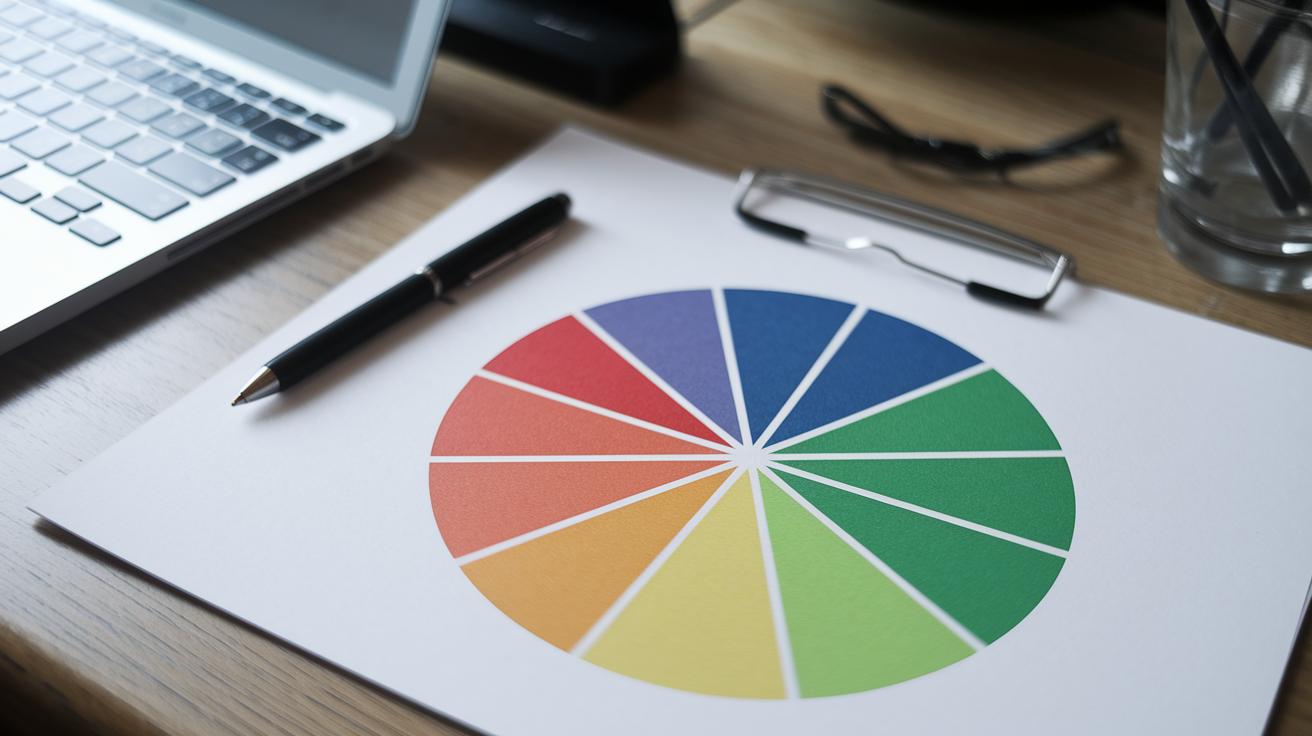
A risk assessment matrix is like a clear picture that helps you sort out potential risks by showing how likely they are and how bad the outcome might be. It’s a handy tool for spotting the biggest dangers so you can focus on them without wasting effort elsewhere.
Usually, this matrix uses simple color zones to make choices easier. Red means the risk could cause serious problems, yellow shows moderate concerns, and green indicates low risk. One side of the chart shows how probable an event is, and the other shows how severe the impact could be. This layout gives each risk a clear, visual tag that’s easy to understand.
Creating this matrix follows four simple steps. First, look at the entire risk landscape. Next, set clear criteria for what counts as low, moderate, or high risk. After that, assess each risk using easy-to-understand judgments. Finally, rank the risks based on what matters most. Think of it as a step-by-step roadmap to tackle issues one at a time.
It’s really important to keep the matrix updated. Market conditions and outside challenges can change in a flash, so revisiting and refreshing this visual tool ensures it stays true to today’s challenges and continues to guide your decisions on how to allocate resources wisely.
Risk Assessment Definitions: Industry-Specific Contexts and Standards

Risk assessment ideas differ from one industry to another. Using the right words makes sure that decisions about risks fit each field’s unique needs. Every sector relies on proven methods and language that match its everyday challenges.
Chemical and Materials Processing
In chemical plants, experts use a method called HAZOP (Hazard & Operability Analysis) to spot any steps that stray from safe, normal operations. They carefully review process details to catch any issues early. For example, an engineer might say, "We need to check if a reaction setup deviates from its expected path." This way, they can pinpoint areas where things might go off track before a big problem happens.
Automotive and Aerospace
In the automotive and aerospace worlds, professionals use FMEA (Failure Modes and Effects Analysis) to check how parts and systems might fail. They even give scores based on how severe these failures could be. Think of a car maker looking at a brake system failure and figuring out its effect on overall safety. This method not only cuts down risks but also helps improve the design and engineering.
Nuclear and Aviation
For nuclear and aviation industries, FTA (Fault Tree Analysis) is a favorite tool. It helps map out a series of faults that might lead to a system breakdown. Imagine drawing a diagram that shows a chain reaction of errors in a reactor or an airplane’s control system. This approach makes sure that every possible mistake gets looked at and fixed.
Finance and Climate Risk
When it comes to finance and climate risk, scenario analysis and stress testing are key. These techniques simulate tough situations to see how financial health or environmental safety could be impacted. For example, banks might run stress tests to check how sudden market changes affect their portfolios, while climate experts model extreme weather to predict possible outcomes.
Standard guidelines from groups like ISO 31000, OSHA, and EPA help keep these practices consistent. They make sure that every industry speaks the same simple language of safety and compliance.
Final Words
In the action of exploring core concepts, we broke down risk assessment definitions into clear steps and methods. We examined both qualitative and quantitative risk evaluation and looked at standardized tools, from matrices to industry-specific techniques. Each section tied together systematic evaluation methods with practical examples, ensuring you have a solid grip on the subject. Remember, strong risk assessment definitions help you feel more secure and ready to act. Stay positive and focus on building your financial confidence every day.
FAQ
What is a risk assessment?
The risk assessment signifies a systematic process used to identify hazards, evaluate risks, and establish control measures in various settings—helping ensure safety and compliance in both work and management environments.
What is a risk assessment at work?
The risk assessment at work signifies the process of identifying potential workplace hazards, evaluating safety risks, and setting up measures to protect employees and maintain a safe work environment.
What is risk management?
The risk management signifies a broader process that includes risk assessment along with planning, controlling, and monitoring actions to reduce the overall impact of risks on an organization.
What are the main types of risk assessment?
The risk assessment signifies several approaches, including qualitative, quantitative, project, process, and strategic assessments—each focusing on different methods to evaluate the likelihood and impact of potential hazards.
Who should perform a risk assessment?
The risk assessment signifies a task ideally carried out by trained safety officers, managers, or specialized teams who are knowledgeable about potential hazards and regulatory standards in their industry.
Where can I find risk assessment tools and templates?
The risk assessment signifies that numerous digital tools, PDFs, and templates—like FEMA or business-specific formats—are available online to guide your risk identification, analysis, and mitigation efforts.
What are risk assessment controls?
The risk assessment signifies measures put in place to reduce or eliminate hazards. These controls involve strategies and actions selected based on the evaluation of risk to protect people, assets, and operations.
What is the OSHA definition of risk assessment?
The risk assessment signifies OSHA’s perspective on identifying and analyzing workplace hazards to ensure safety by adhering to strict regulatory standards and implementing corrective measures.
